

Fast Facts
- Uber users in the U.K. can join an interest list for Wayve robotaxis.
- The service will compete with Waymo’s leading robotaxi system in the U.S.
- Riders can opt for human drivers if matched with Wayve’s AVs.
- Regulatory delays are hindering the launch of this autonomous service.
The Emerging Rivalry: Uber, Wayve, and Waymo
Uber, Wayve, and Waymo are gearing up for a high-stakes showdown in London. Uber, a giant in ride-hailing, has recently announced that U.K. customers can join an interest list to potentially travel in a Wayve autonomous vehicle. This marks a significant shift as Uber prepares to introduce its own robotaxi service. When that day arrives, it won’t just be a convenient option for riders—it will also place Uber in direct competition with Waymo, Alphabet’s self-driving subsidiary and a pioneer in autonomous vehicles.
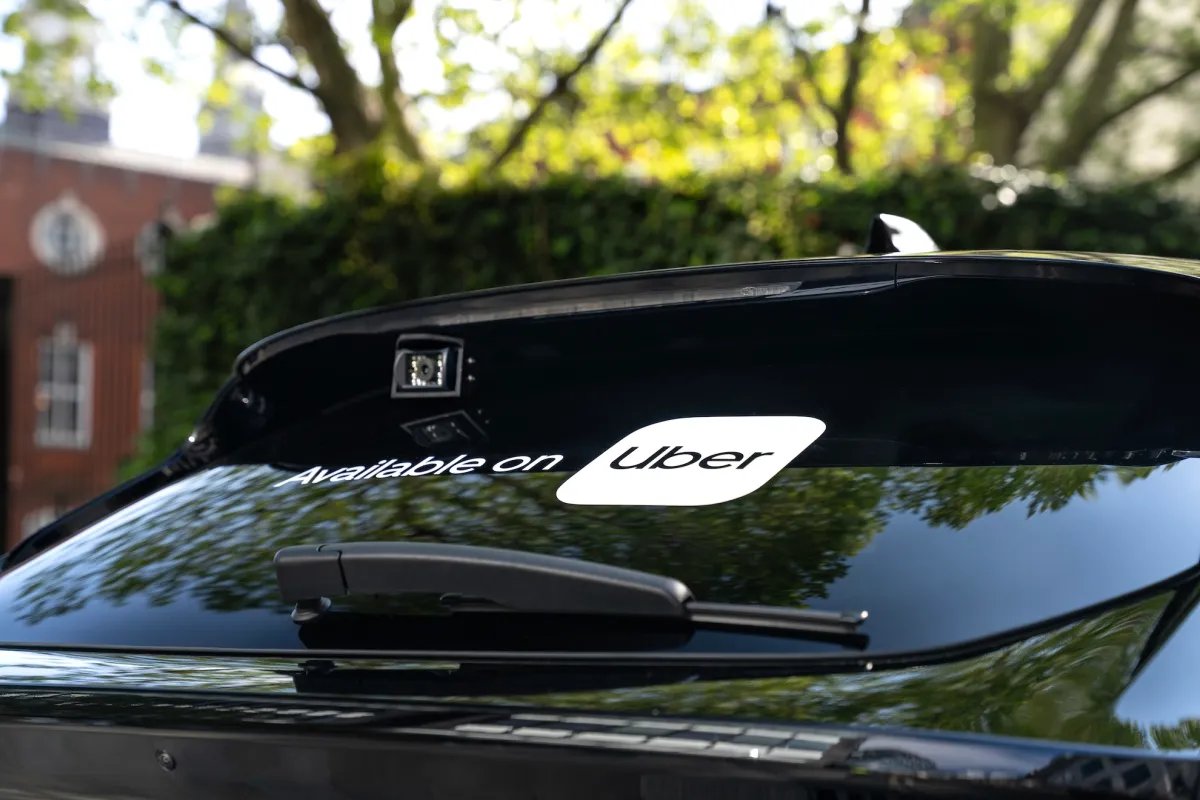
On a recent Monday, Uber unveiled a branded Ford Mustang Mach-E that showcases Wayve’s self-driving technology. While Wayve focuses on the tech, Uber enhances the user experience. The vehicle will feature interactive touchscreens that support 64 languages, making it accessible to a broader audience. Uber has not yet set a launch date for this service, citing pending regulatory approval. However, it has made it clear: riders can choose to accept a robotaxi and, if they prefer, opt for a traditional human driver. Initially, these robotaxis will have a safety operator behind the wheel as they transition to fully autonomous operations.
Regulatory Hurdles and Competitive Tensions
Meanwhile, Waymo is actively testing its fleet of autonomous Jaguar I-Pace vehicles across a significant area in London. This development adds another layer of competition as both companies navigate the regulatory landscape. The U.K. government continues to draft autonomous vehicle regulations, delaying the imminent face-off. The situation becomes even more complex when considering the existing partnership between Uber and Waymo in the U.S. Though they once battled in court, the two companies have collaborated to deploy self-driving vehicles on Uber’s app in U.S. cities like Phoenix, Austin, and Atlanta. Yet the partnership feels strained, particularly as Uber openly critiques Waymo’s safety practices.
Uber’s strategies reveal a broad ambition in the autonomous vehicle space. The company has invested in various startups and created new divisions aimed at bolstering its market presence. Uber’s commitment to Wayve, which recently raised $1.2 billion with Uber’s backing, illustrates a focus on nurturing potential competitors. This could set the stage for an interesting conflict as Uber seeks to expand while Waymo solidifies its dominance.
As these three companies inch closer to offering robotaxi services, consumers must consider the practicality of autonomous vehicles. While they promise convenience and safety, the technology’s maturity remains uncertain. As both Uber and Waymo gear up for the competition, the real question becomes: who will navigate the regulatory challenges first and earn the riders’ trust in this rapidly changing landscape?
Continue Your Tech Journey
Learn how the Internet of Things (IoT) is transforming everyday life.
Stay inspired by the vast knowledge available on Wikipedia.
TechV1
