
Close Menu
    Facebook X (Twitter) Instagram
    Monday, June 8
    Top Stories:
    • WhatsApp Uncovers New Spyware Attacks Violating Court Order
    • Empowering Parents: Control Kids’ iPhone Use
    • Unlock Unbeatable Connectivity: Eero Pro 6E Routers at Their Lowest Price Ever!
    Facebook X (Twitter) Instagram Pinterest Vimeo
    IO Tribune
    • Home
    • AI
    • Tech
      • Gadgets
      • Fashion Tech
    • Crypto
    • Smart Cities
      • IOT
    • Science
      • Space
      • Quantum
    • OPED
    IO Tribune
    Home » Breaking Barriers: The Supersonic Revolution
    Space

    Breaking Barriers: The Supersonic Revolution

    Staff ReporterBy Staff ReporterJune 8, 2026No Comments3 Mins Read
    Share Facebook Twitter Pinterest LinkedIn Tumblr Reddit Telegram Email
    Share
    Facebook Twitter LinkedIn Pinterest Email

    Quick Takeaways

    1. NASA’s X-59 aircraft achieved its first supersonic flight on June 5, 2026.
    2. Pilot Jim Less reached Mach 1.1 during an 81-minute test flight.
    3. The flight focused on assessing both subsonic and supersonic performance.
    4. The Quesst mission aims to enable commercial quiet supersonic flight globally.

    Historic Supersonic Flight: The X-59 Takes Off

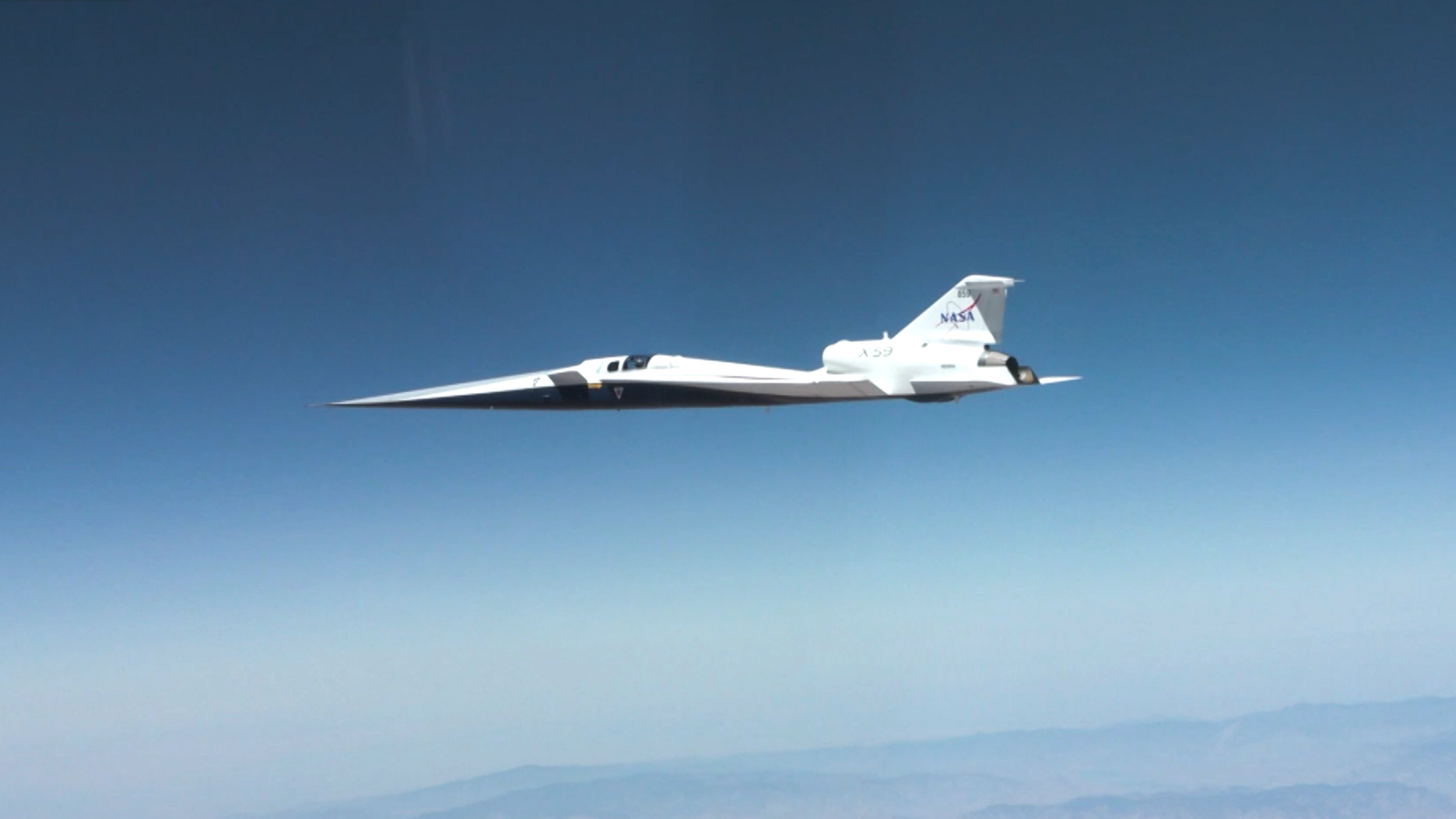
    On June 5, 2026, NASA marked a significant milestone in aviation history. The experimental X-59 aircraft, designed to soar faster than the speed of sound, achieved its first supersonic flight. Piloted by NASA test pilot Jim “Clue” Less, the aircraft reached an impressive top speed of approximately Mach 1.1, which is about 713 mph. This flight lasted 81 minutes and took place at Edwards Air Force Base in California. During this time, the flight team concentrated on evaluating the aircraft’s performance at both subsonic and supersonic speeds.

    This achievement sets the stage for future developments aimed at creating a quieter supersonic flight experience. Current supersonic aircraft are often criticized for their sonic booms, which can be disruptive and even damaging. The X-59, however, is part of NASA’s Quiet Supersonic Travel (Quesst) mission, which intends to demonstrate technology that can significantly reduce these noise levels. This technological leap could pave the way for commercial supersonic flights over land, allowing travelers to reach their destinations faster while minimizing disturbance to the environment and communities below.

    The Quesst Mission: Transforming Air Travel

    The Quesst mission represents a pivotal shift in how we perceive air travel. The ability to travel faster than sound without the accompanying noise has the potential to revolutionize commercial aviation. If successful, it could shorten flight times, helping people save precious hours while in transit. This new technology could be especially beneficial for long-distance business travelers, holidaymakers, and anyone who values efficiency.

    Despite the promising advancements, the path to widespread adoption of supersonic commercial flights has hurdles. Environmental concerns and regulatory challenges must be addressed. Agencies around the world will scrutinize noise pollution and emissions. Furthermore, airlines will need to weigh the economic viability of deploying such advanced aircraft. The technology, while groundbreaking, must prove its practicality in real-world scenarios.

    The flight of the X-59 marks a new chapter in aviation. Its success will not only demonstrate quiet supersonic travel but will also provide critical data for future aircraft designs. By addressing both the benefits and challenges involved, NASA is helping shape the future of air travel, moving us closer to a world where speed and comfort coexist harmoniously in the skies.

    Discover More Technology Insights

    Learn how the Internet of Things (IoT) is transforming everyday life.

    Access comprehensive resources on technology by visiting Wikipedia.

    Space

    Cosmos NASA Quesst (X-59) Space VT1
    Share. Facebook Twitter Pinterest LinkedIn Tumblr Email
    Previous ArticleEmpowering Parents: Control Kids’ iPhone Use
    Next Article WhatsApp Uncovers New Spyware Attacks Violating Court Order
    Avatar photo
    Staff Reporter
    • Website

    John Marcelli is a staff writer for IO Tribune, with a passion for exploring and writing about the ever-evolving world of technology. From emerging trends to in-depth reviews of the latest gadgets, John stays at the forefront of innovation, delivering engaging content that informs and inspires readers. When he's not writing, he enjoys experimenting with new tech tools and diving into the digital landscape.

    Related Posts

    Tech

    WhatsApp Uncovers New Spyware Attacks Violating Court Order

    June 8, 2026
    Tech

    Empowering Parents: Control Kids’ iPhone Use

    June 8, 2026
    AI

    Apple’s Siri AI: Now More Personal Than Ever

    June 8, 2026
    Add A Comment

    Comments are closed.

    Must Read

    WhatsApp Uncovers New Spyware Attacks Violating Court Order

    June 8, 2026

    Breaking Barriers: The Supersonic Revolution

    June 8, 2026

    Empowering Parents: Control Kids’ iPhone Use

    June 8, 2026

    Apple’s Siri AI: Now More Personal Than Ever

    June 8, 2026

    Unlock Unbeatable Connectivity: Eero Pro 6E Routers at Their Lowest Price Ever!

    June 8, 2026
    Categories
    • AI
    • Crypto
    • Fashion Tech
    • Gadgets
    • IOT
    • OPED
    • Quantum
    • Science
    • Smart Cities
    • Space
    • Tech
    • Technology
    Most Popular

    Bitcoin & Ethereum Funds: A Weekly Recap

    March 18, 2025

    Unveiling the Cosmos: NASA’s Bold Step into the Unknown

    November 9, 2025

    Unleashing the Power Within: The Artemis Journey

    March 29, 2026
    Our Picks

    Liquid Glass: Apple’s Successful Take on Vista

    June 10, 2025

    Unlocking Quantum Computing: A Nontechnical Path for All

    November 4, 2025

    From Void to Vision: The Hoto & Fanttik Revolution

    November 26, 2025
    Categories
    • AI
    • Crypto
    • Fashion Tech
    • Gadgets
    • IOT
    • OPED
    • Quantum
    • Science
    • Smart Cities
    • Space
    • Tech
    • Technology
    • Privacy Policy
    • Disclaimer
    • Terms and Conditions
    • About Us
    • Contact us
    Copyright © 2025 Iotribune.comAll Rights Reserved.

    Type above and press Enter to search. Press Esc to cancel.