

Summary Points
- NASA plans to use robots for routine tasks on long-term Moon missions.
- PickNik Inc. partners with NASA to enhance robotic motion control technologies.
- Their software, MoveIt Pro, aids robotic arms in complex tasks efficiently.
- NASA support enabled PickNik’s success and advancements benefiting both space and industry.
Navigating New Frontiers with Robotic Intelligence
As NASA sets its sights on long-term missions to the Moon, the role of robots is becoming increasingly important. These machines can take on routine tasks, freeing astronauts to focus on science and exploration. However, achieving effective robotic motion control is not straightforward. It involves complex technology, particularly advancements in decision-making and object recognition.
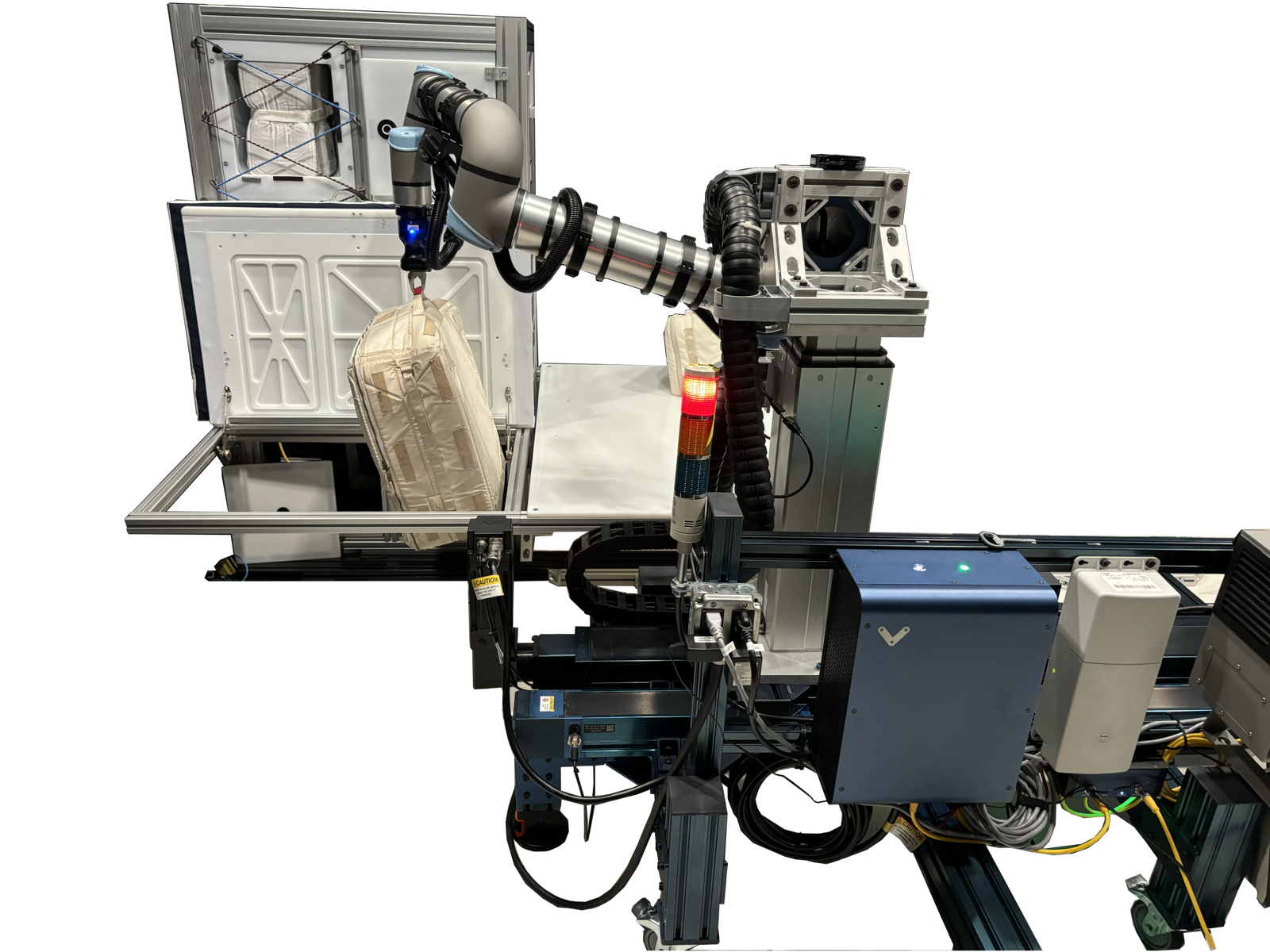
A Boulder, Colorado-based company, PickNik Inc., is taking steps to address these challenges. Teaming up with Shaun Azimi and the Dexterous Robotics team at NASA’s Johnson Space Center in Houston, PickNik has tested software that allows a robotic arm to identify a spacecraft hatch, manipulate the latch, and open the door. This advanced arm can even transfer cargo bags from the hatch to a designated bin.
The testing took place in NASA Johnson’s Integrated Mobile Evaluation Testbed for Robotics Operations, utilizing funding from the Small Business Innovation Research program. This collaboration highlights the potential for robots to enhance operational efficiencies during manned missions.
Bridging Space and Industry with Innovation
PickNik’s software, MoveIt Pro, is a result of extensive research and development supported by early NASA investments. Officially released in 2023, MoveIt Pro is already making waves in various industries. Notably, automotive giant BMW has adopted the software for its robotic assembly lines. Other companies, like Lightspeed, are programming large robotic arms to build modular panels for affordable housing. Hivebotics has integrated MoveIt Pro to automate its cleaning robot.
Ezra Brooks, a principal software engineer at PickNik, emphasizes that without NASA’s foundational support, the company might not have developed its product. This points to a broader reality: innovative software for robotics often requires significant time and effort to evolve into a commercial offering.
NASA’s forward-thinking initiatives not only enhance mission capabilities for lunar expeditions and beyond but also yield tangible benefits for commercial industries on Earth. The agency celebrates these advancements through its Spinoff publication, which catalogs various technologies that originate from space exploration. For more information on this groundbreaking project, visit: https://go.nasa.gov/49CNSi7.
Discover More Technology Insights
Stay informed on the revolutionary breakthroughs in Quantum Computing research.
Stay inspired by the vast knowledge available on Wikipedia.
Space
