

Quick Takeaways
Researchers have developed POMbranes, ultra-selective filtration membranes with one-nanometer pores. These membranes significantly improve energy efficiency and water reuse in industries. They outperform traditional methods by offering nearly ten times better separation performance. Potential applications include textile dye removal and enhanced pharmaceutical manufacturing efficiency.
Revolutionizing Water Filtration
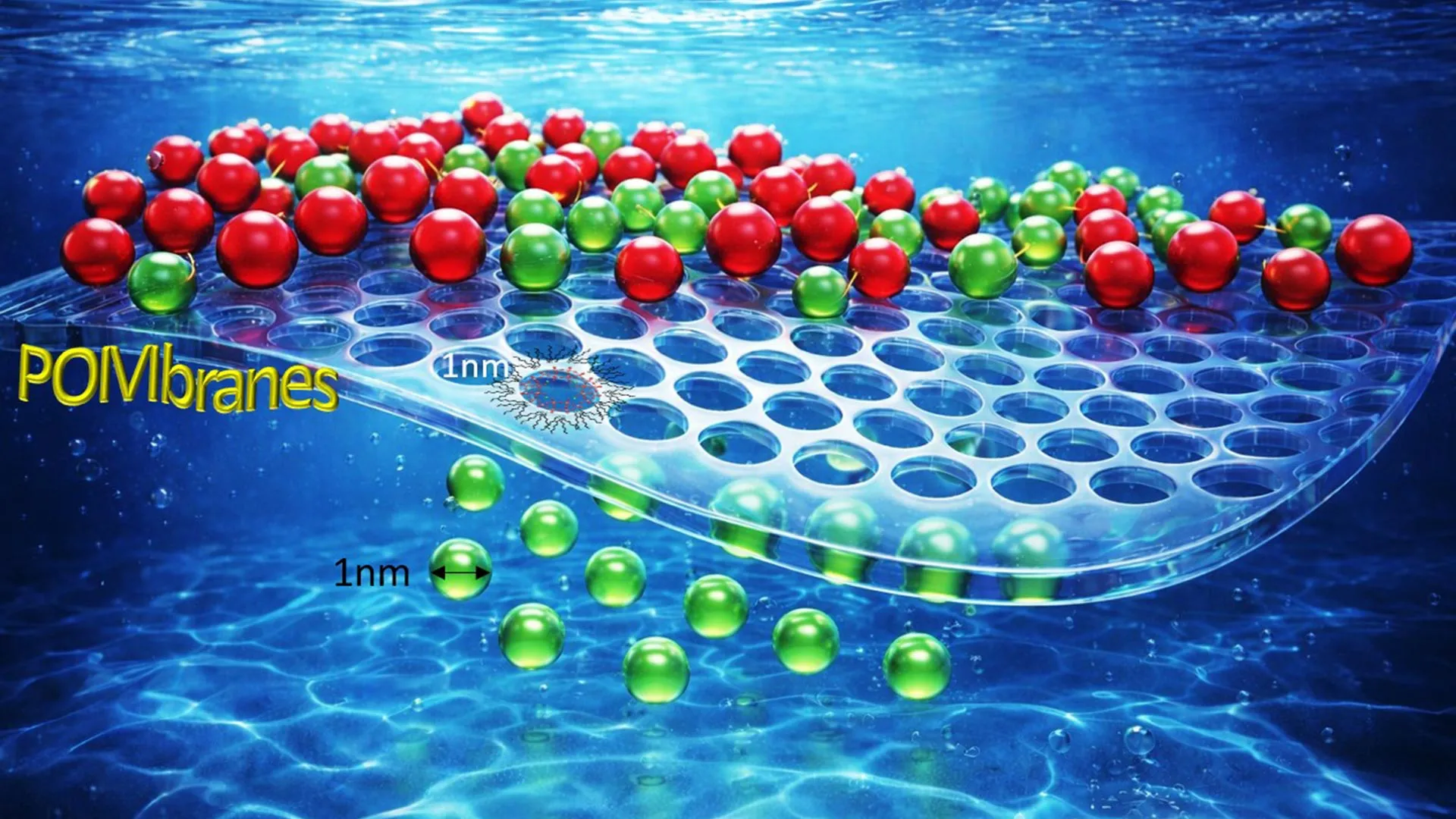
A remarkable breakthrough in water filtration emerged from a collaborative effort among researchers at the CSIR-Central Salt and Marine Chemicals Research Institute, IIT Gandhinagar, Nanyang Technological University, and the S N Bose National Centre for Basic Sciences. They have developed “POMbranes,” a new class of ultrathin membranes with pores measuring just one nanometer. This innovation could dramatically enhance how industries manage water use.
Membrane-based filtration holds promise as a cleaner alternative to traditional methods like distillation and evaporation. These conventional techniques consume immense energy, accounting for 40% to 50% of global industrial energy use. In comparison, POMbranes promise about ten times better separation performance while remaining flexible and stable under varying conditions. This flexibility makes them suitable for diverse applications, such as wastewater treatment and pharmaceutical production.
The new membrane technology draws inspiration from nature. It mimics aquaporins—biological channels that allow water and small molecules to pass efficiently. By utilizing polyoxometalate (POM) clusters, which have a consistently sized opening, researchers solved a significant challenge in conventional filtration. Traditional polymer membranes often suffer from uneven pore sizes that degrade over time, limiting their effectiveness. In contrast, POMbranes maintain their structure and performance under extensive industrial conditions, representing a significant leap toward sustainable manufacturing.
Applications Across Industries
The textile and pharmaceutical sectors stand to benefit significantly from POMbranes. The textile industry, a major player in India’s economy, generates substantial contaminated wastewater during dyeing processes. These new membranes can effectively remove dye while allowing for water reuse, reducing freshwater demand and waste generation. As India’s textile market grows, the ability to recycle water will become increasingly critical.
In pharmaceuticals, where precision is vital, POMbranes offer a high level of separation accuracy. The technology aids in drug purification and solvent recovery, crucial for maintaining product quality. Implementing these membranes can lower energy use without sacrificing operational standards.
Adopting POMbranes signals a shift toward sustainable manufacturing practices. Industries are increasingly prioritizing efficiency, durability, and environmental responsibility. By mirroring nature’s design principles at a molecular level, this technology not only addresses pressing industrial challenges but also paves the way for a more sustainable future in water management.
Discover More Technology Insights
Stay informed on the revolutionary breakthroughs in Quantum Computing research.
Access comprehensive resources on technology by visiting Wikipedia.
TechV1
