

Summary Points
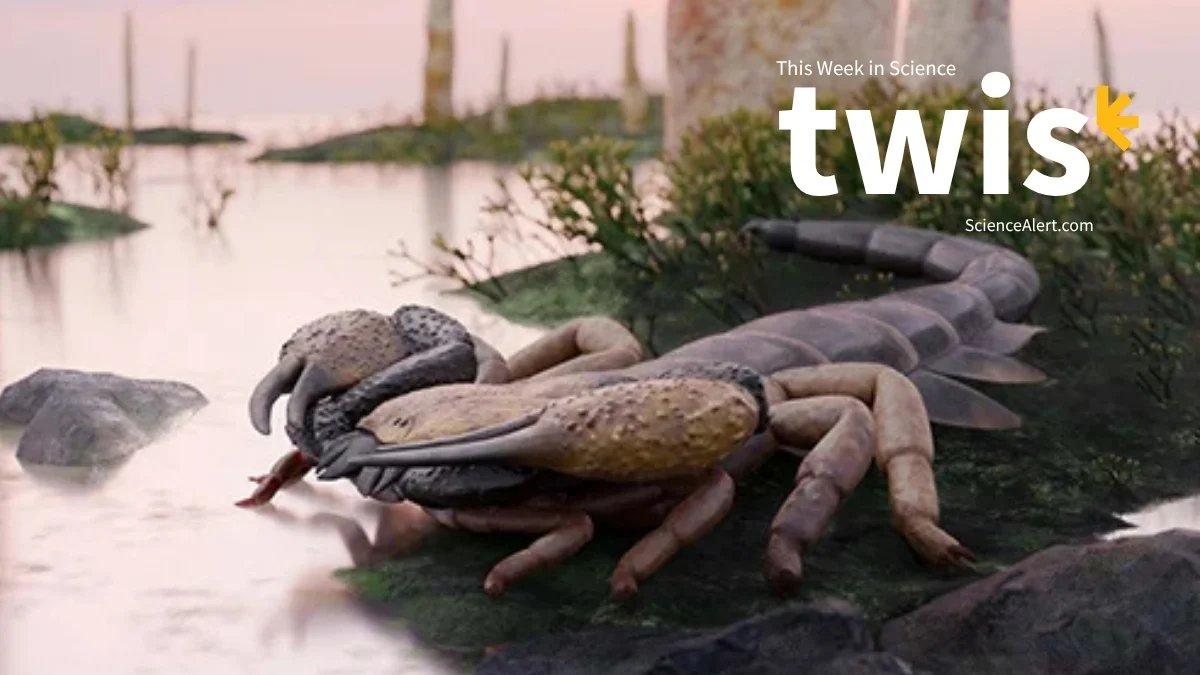
- The largest scorpion, Praearcturus, was as big as a dog 415 million years ago.
- A pioneering gene therapy targets age-related vision loss, but carries high risks.
- Nuclear fallout was simulated in labs, revealing unexpected cesium cooling patterns.
- An elderly dementia patient temporarily regained abilities after a massive psilocybin dose.
Cutting-Edge Discoveries in Paleontology and Medicine
This week, science revealed astonishing findings. Researchers identified the world’s largest known scorpion, Praearcturus gigas, which was as big as a dog and lived 415 million years ago. It was likely an apex predator during its time, dominating its environment when land was just beginning to develop. This discovery helps scientists understand early land ecosystems and predator-prey relationships.
In medical news, a groundbreaking gene therapy entered human trials. The goal is to reverse some symptoms of aging, such as age-related vision loss. While promising, the technique carries significant risks and is viewed as experimental. Experts debate whether the potential benefits outweigh the dangers, making this an important, yet cautious, step forward in longevity research.
Innovations, Surprises, and Deep-Sea Discoveries
Scientists simulated nuclear fallout in the lab and observed unexpected behavior of cesium particles. The findings improve understanding of nuclear debris, helping in emergency response and nuclear safety. Accurate models are crucial for decision-making during nuclear incidents.
A notable case involved an elderly dementia patient who received a large dose of psilocybin. The treatment temporarily restored her communication and independence. She was able to speak, walk, and engage with others hours after the dose. This case suggests potential for psychedelics in mental health, though more research is needed.
Deep-sea exploration uncovered a massive whale graveyard at 7,000 meters underwater. Nearly 500 whale remains, up to 5.3 million years old, were found, revealing new details about whale evolution and deep-sea ecosystems. The site offers valuable insights into cetacean history and deep-sea life.
Lastly, a common sleep aid, quetiapine, was linked to impaired reaction times and increased drowsiness the next day. Tests showed participants drifted more in driving simulations, raising concerns about its safety. This highlights the importance of understanding medication effects beyond immediate use.
Discover More Technology Insights
Explore the future of technology with our detailed insights on Artificial Intelligence.
Access comprehensive resources on technology by visiting Wikipedia.
QuantumV1
