

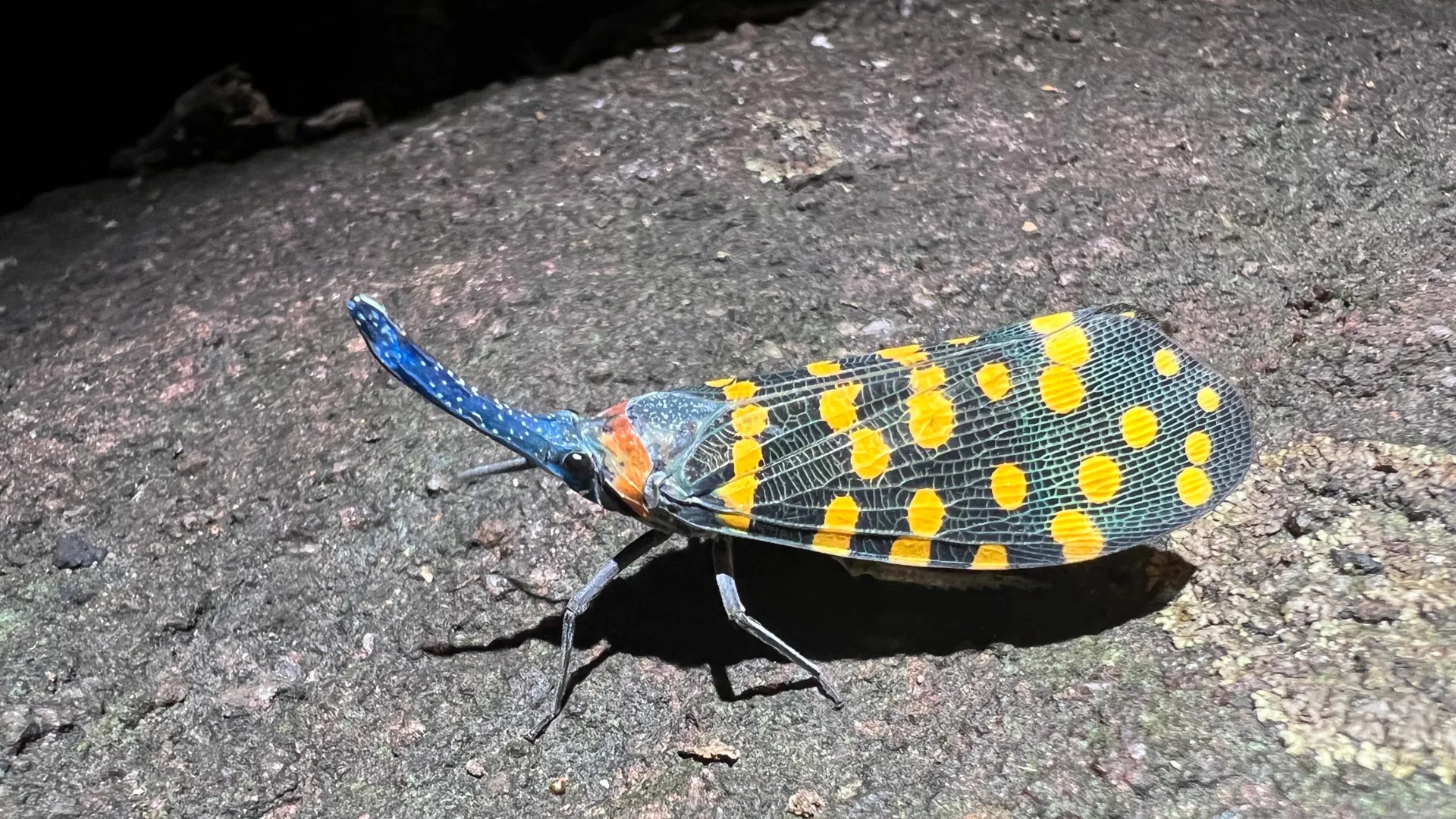
Essential Insights
-
Accelerating Discoveries: New research reveals scientists are identifying over 16,000 new species annually, the highest rate in history, challenging beliefs that species discovery is slowing down.
-
Biodiversity Estimates: Projections suggest significant undiscovered diversity, with estimates of up to 115,000 fish species and over 500,000 plant species, far exceeding current documented numbers.
-
Importance of Discovery: Identifying new species is crucial for conservation, as species cannot be protected until formally described. Discoveries also lead to advancements in medicine and technology.
-
Future Mapping: Researchers aim to identify regions rich in undiscovered species while analyzing shifts in who is making these discoveries, highlighting ongoing exploration in global biodiversity.
A Renaissance in Species Discovery
We are witnessing a remarkable surge in the discovery of new species. Recent research indicates that scientists identify more than 16,000 new species each year. This rate reflects the highest pace of discovery recorded in history. Contrary to earlier beliefs, the drive to catalog Earth’s biodiversity is not slowing down. Instead, we are uncovering more plants, animals, fungi, and invertebrates than ever before. This progress broadens our understanding of life’s complexity.
Researchers at the University of Arizona have documented over 2 million species, reflecting diverse ecosystems. During the years 2015 to 2020, new species included nearly 10,000 animals and thousands of plants and fungi. This discovery is crucial because many of these species hold potential benefits such as medical advances and innovative technologies. For instance, substances from plants and animals have led to breakthroughs in treatments for diseases like cancer.
The Future of Biodiversity and Innovation
Discovering new species is not just a scientific endeavor; it plays a critical role in conservation. Without proper documentation, we cannot protect a species from extinction. Moreover, many species still await discovery. Projections suggest that the true number of fish could reach 115,000 and amphibians around 41,000. Researchers believe that the actual number of insect species might be about six million.
As we continue to chart areas rich in unexplored life, scientists aim to shift the narrative from a Eurocentric view of taxonomy to a more global perspective. By understanding which regions harbor undiscovered species, we can foster a sense of urgency for conservation efforts. This increased awareness and ongoing research will enrich our collective knowledge, ultimately guiding us to treasure and protect the incredible biodiversity surrounding us. Each new species discovered helps us appreciate the intricate web of life on our planet and its potential contributions to humanity.
Discover More Technology Insights
Dive deeper into the world of Cryptocurrency and its impact on global finance.
Explore past and present digital transformations on the Internet Archive.
TechV1
