

Summary Points
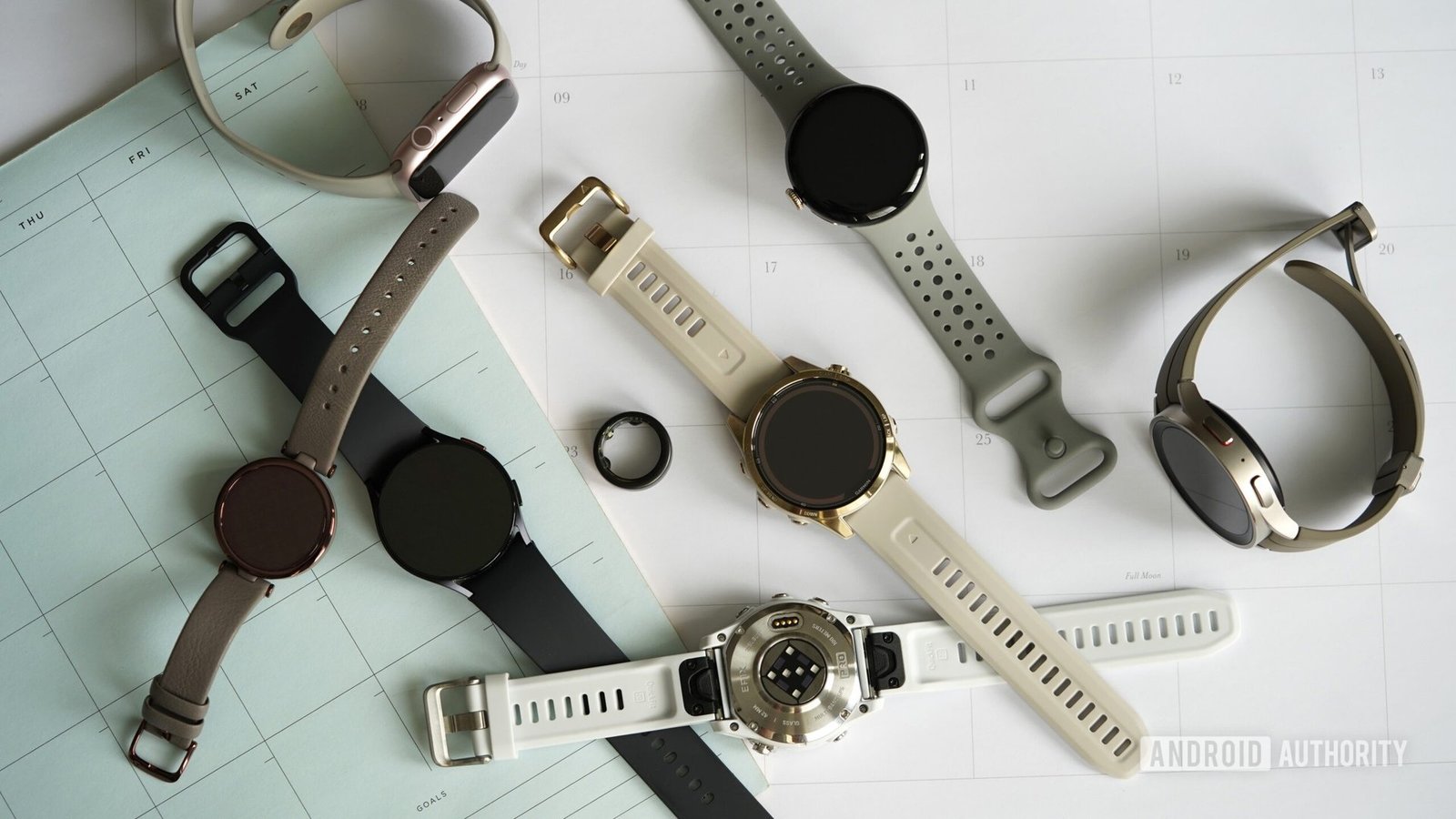
Kaitlyn Cimino / Android Authority TL;DR:
1. Wearable device usage increased from 30.2% in 2020 to 41.1% in 2024, with many using them daily.
2. While willingness to share health data with clinicians remained high (~75%), actual sharing stayed below 20%.
3. Higher digital literacy was linked to greater willingness to share data, but did not significantly influence actual data sharing.
4. There is a notable gap between people’s intentions to share health data and their real-world actions, limiting the potential healthcare benefits of wearables.
More People Using Wearables, But Fewer Sharing Data
Over the past few years, more people are wearing devices that track their health. Surveys from 2020, 2022, and 2024 show an increase in wearable use. For example, in 2020, only about 30% of adults used these gadgets. By 2024, that number grew to over 41%. Many wearables now track blood pressure, heart rate, and sleep patterns. These features help users understand their health better.
However, even though more people own wearables, fewer are sharing this data with doctors. The willingness to share remains high—over 70% in recent surveys. Still, actual sharing of data stays very low, below 20%. In 2020, only around 14% shared their info. By 2024, that number increased slightly to about 19%. This gap shows that many who want to share their health info do not actually do it. Despite the rise in device use, sharing health data with clinicians is not common. This contrast suggests there are barriers stopping people from sharing even when they are willing to do so.
Why Are People Not Sharing Their Wearable Data?
Many reasons explain why people do not share their wearable data, despite their willingness. One key factor is digital literacy. Higher digital skills make people more likely to say they are willing to share. Yet, these skills do not necessarily lead to actual sharing. This shows that other issues may be involved.
Privacy concerns also play a role. People worry about how their health information will be used or if it might be leaked. Some might doubt the accuracy of their devices, making them hesitant to share the data. Additionally, technical challenges or unfamiliarity with sharing features can discourage users from connecting their devices to health providers.
Manufacturers are continuously adding new features, making wearables more valuable. These updates improve health monitoring and offer better insights. Still, technology alone cannot change user habits. Educating users about the benefits and safety of sharing data could boost actual sharing rates.
The Potential of Wearable Tech for Better Healthcare
Despite the current gap between willingness and action, wearable technology still holds great promise. When used properly, these devices can offer useful health insights that aid doctors in diagnosis and treatment. For example, real-time blood pressure monitoring may soon become more accurate and accessible. Such features could help identify health issues early.
As manufacturers add new functionalities, users get more ways to improve their health. This enhances motivation to wear devices consistently. Moreover, data sharing between users and healthcare providers could become easier with improved security and better user education.
Encouraging more people to share their wearable data can expand its benefits. It can lead to more personalized care and proactive health management. While current sharing rates are low, ongoing advancements and increased awareness could change this trend. Wearables today are more than just fitness gadgets — they are tools that can support smarter healthcare in the future.
Expand Your Tech Knowledge
Explore the future of technology with our detailed insights on Artificial Intelligence.
Discover archived knowledge and digital history on the Internet Archive.
CellphonesV1
