

Quick Takeaways
- Millipedes thrived on Earth for 460 million years before vertebrates appeared.
- Researchers filled gaps in the millipede family tree using DNA and fossils.
- Two rare millipede groups were finally classified through extensive fieldwork.
- Millipedes play a crucial role in ecosystems, recycling nutrients effectively.
A Historical Breakthrough
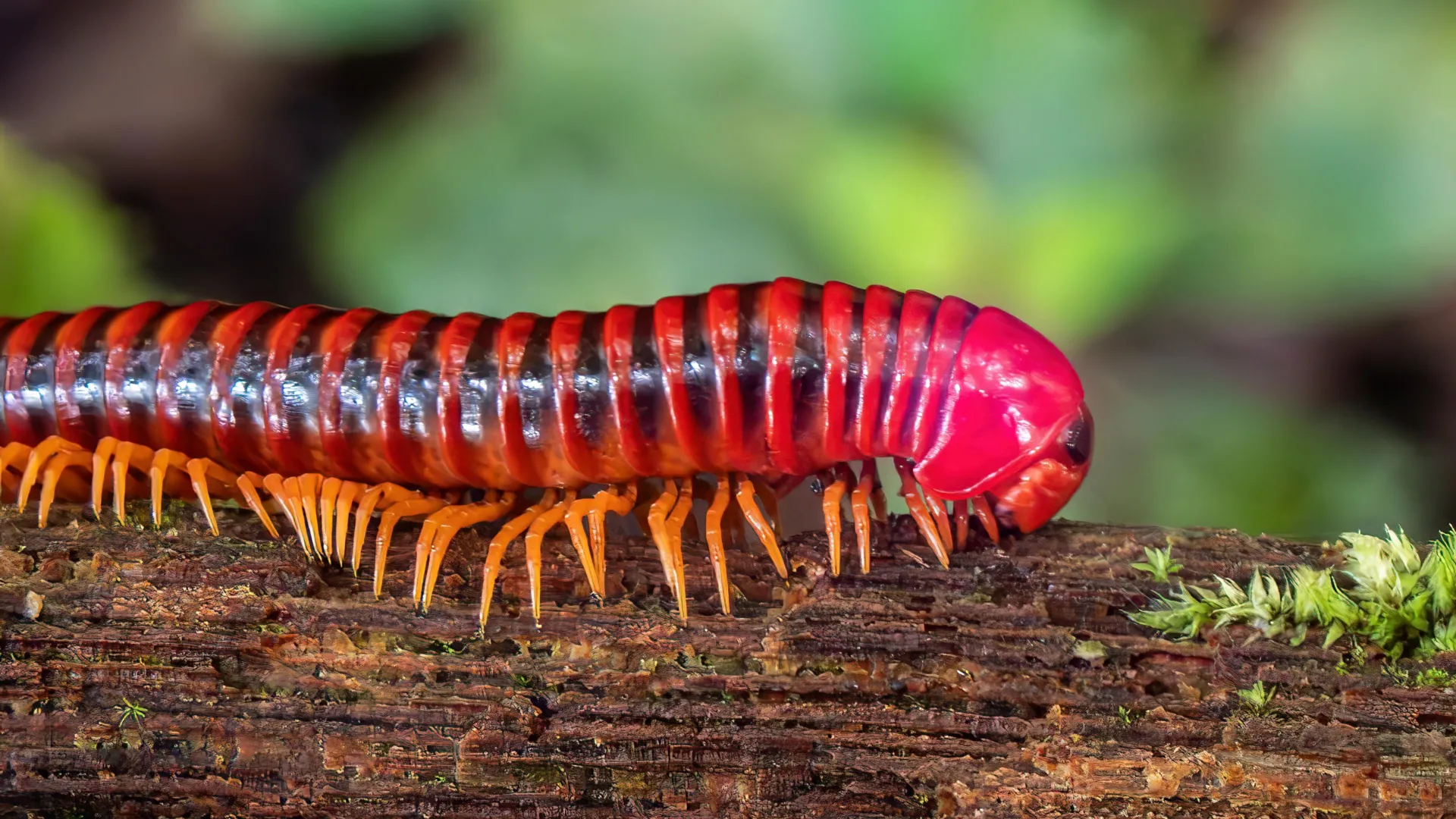
For hundreds of millions of years, millipedes silently thrived on Earth’s surface, long before dinosaurs roamed or vertebrates ventured onto land. These small yet vital decomposers shaped early terrestrial ecosystems. Recent research led by Virginia Tech has completed one of the final gaps in the millipede family tree. This study reveals that millipedes originated nearly 460 million years ago. They existed long before the oldest known millipede fossils, suggesting a much more ancient history than previously believed.
The researchers uncovered two rare millipede groups: Siphoniulida and Siphonocryptida. For years, scientists could only speculate about their exact positions within the millipede lineage due to lack of fresh specimens. Researchers had to undertake challenging fieldwork in locations like Los Tuxtlas, Mexico, and the Canary Islands to collect the necessary samples. The effort yielded terabytes of genetic data, allowing the team to situate these elusive groups within the broader evolutionary context of millipedes.
Millipedes also pioneered a key ecological role. They helped recycle nutrients by feeding on decaying organic material in some of Earth’s first land ecosystems. During their early existence, the planet lacked vertebrates, trees, and flowering plants. Instead, they consumed decaying mosses and primordial debris, setting the stage for future life on land.
The Importance of Millipedes Today
Despite their remarkable history, millipedes remain understudied. With over 14,000 species described and possibly tens of thousands still undiscovered, they play an essential role in today’s ecosystems as detritivores. By breaking down dead plant material, they recycle nutrients and support healthy soil. Their contribution to ecosystems can’t be overstated, yet they often go unnoticed.
The study also pinpointed the evolution of chemical defenses in millipedes, which date back approximately 260 million years. Millipedes developed these adaptations long before many modern species appeared. As “little chemical factories,” they provide insight into the evolutionary significance of defense mechanisms in ancient creatures.
The discovery of millipede evolutionary history emphasizes the interconnectedness of life on Earth. Their journey from ancient soil to modern ecosystems offers a revealing lens through which to view the evolution of life. This research enhances our understanding of biodiversity and ecosystem dynamics, reminding us of the hidden complexities that support our environments.
Continue Your Tech Journey
Learn how the Internet of Things (IoT) is transforming everyday life.
Explore past and present digital transformations on the Internet Archive.
TechV1
