

Top Highlights
- A new study suggests parrots may use names similarly to humans.
- Researchers analyzed recordings from over 880 captive parrots for evidence.
- Parrots appear to associate specific names with individual people or animals.
- Findings highlight parrots’ cognitive skills, but much remains unknown about naming.
Revolutionizing Our Understanding of Animal Communication
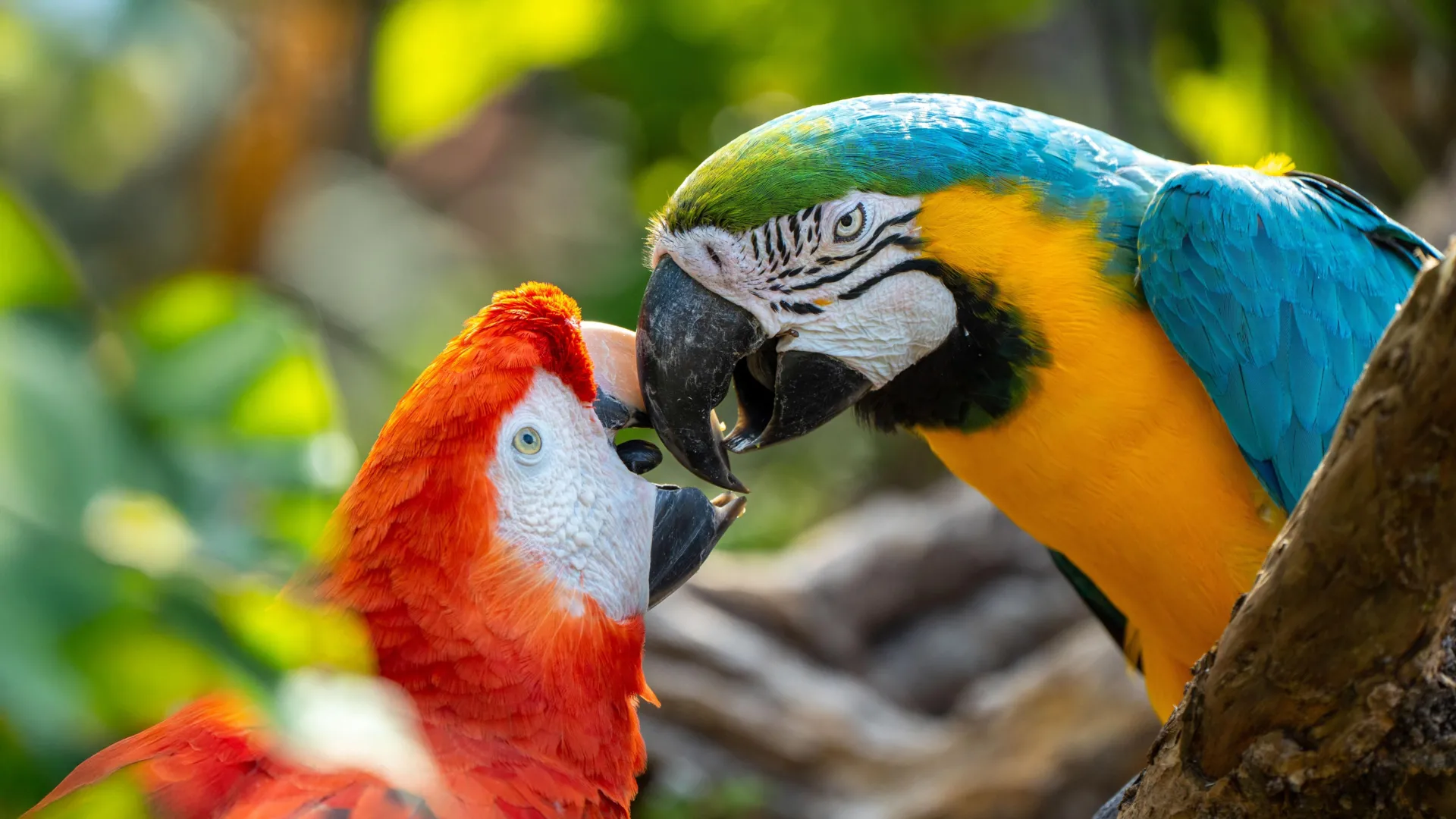
Scientists recently uncovered compelling evidence suggesting that parrots might use names in a manner akin to human naming conventions. This discovery highlights a remarkable shift in our understanding of animal communication. Traditionally, researchers have studied wild parrots in tropical habitats, focusing on their mimicking behaviors. However, Lauryn Benedict, a biology professor at the University of Northern Colorado, approached this research differently. She examined parrots living in human environments, where they regularly hear and often repeat words, including names.
Benedict and her collaborators analyzed vocal recordings from over 880 captive parrots. They found numerous instances where these birds used names in specific contexts, suggesting an ability to identify particular individuals. Interestingly, about half of the surveyed participants reported instances of parrots employing names, with 88 recordings indicating that some parrots used names as labels for specific humans or animals. This challenges long-held assumptions about the limitations of animal communication.
The Implications of Parrot Naming Behavior
Names serve a critical role in human social interaction. They help organize our complex relationships. It appears that parrots might leverage a similar framework. Researchers like Christine Dahlin stress that while parrots display name-use patterns reminiscent of humans, direct comparisons remain precarious. Animal communication systems differ widely from ours, making it difficult to ascertain their full significance.
The study revealed that some parrots specifically associate names with individuals rather than using them broadly. For instance, certain birds repeated their own names to gain attention. This indicates adaptability in how they use names for various social functions, whether to communicate with people or reference others not present. While the findings are exciting, they also illuminate that much remains unknown about how and why animals adopt such vocal signals. Differences between species and individual birds invite further inquiry into the cognitive capabilities underlying these behaviors.
This research enriches our understanding of avian intelligence and social communication. It shifts the narrative about parrots from mere mimics to complex communicators. As scientists continue to explore these vocal behaviors, they unravel the layers of animal intelligence, opening doors to the broader implications for understanding communication in the animal kingdom.
Discover More Technology Insights
Learn how the Internet of Things (IoT) is transforming everyday life.
Stay inspired by the vast knowledge available on Wikipedia.
TechV1
