
Close Menu
    Facebook X (Twitter) Instagram
    Tuesday, September 22
    Top Stories:
    • United States and China Must Collaborate to Win the AI Race
    • Revolutionary Tiny Brain Implant Performs Three Functions Simultaneously
    • China to Shift Major AI Model Training to Huawei by 2027
    Facebook X (Twitter) Instagram Pinterest Vimeo
    IO Tribune
    • Home
    • AI
    • Tech
      • Gadgets
      • Fashion Tech
    • Crypto
    • Smart Cities
      • IOT
    • Science
      • Space
      • Quantum
    • OPED
    IO Tribune
    Home » Revealing the Cracks in Forever Chemicals
    Tech

    Revealing the Cracks in Forever Chemicals

    Lina Johnson MercilliBy Lina Johnson MercilliJune 17, 2026No Comments3 Mins Read
    Share Facebook Twitter Pinterest LinkedIn Tumblr Reddit Telegram Email
    Share
    Facebook Twitter LinkedIn Pinterest Email

    Fast Facts

    1. PFAS, or “forever chemicals,” persist in the environment and human body.
    2. New research shows hydrogen radicals can effectively break down PFAS molecules.
    3. High-energy UV light enhances the degradation process of these stubborn pollutants.
    4. Understanding PFAS breakdown can lead to better, sustainable treatment technologies.

    New Insights on PFAS Degradation

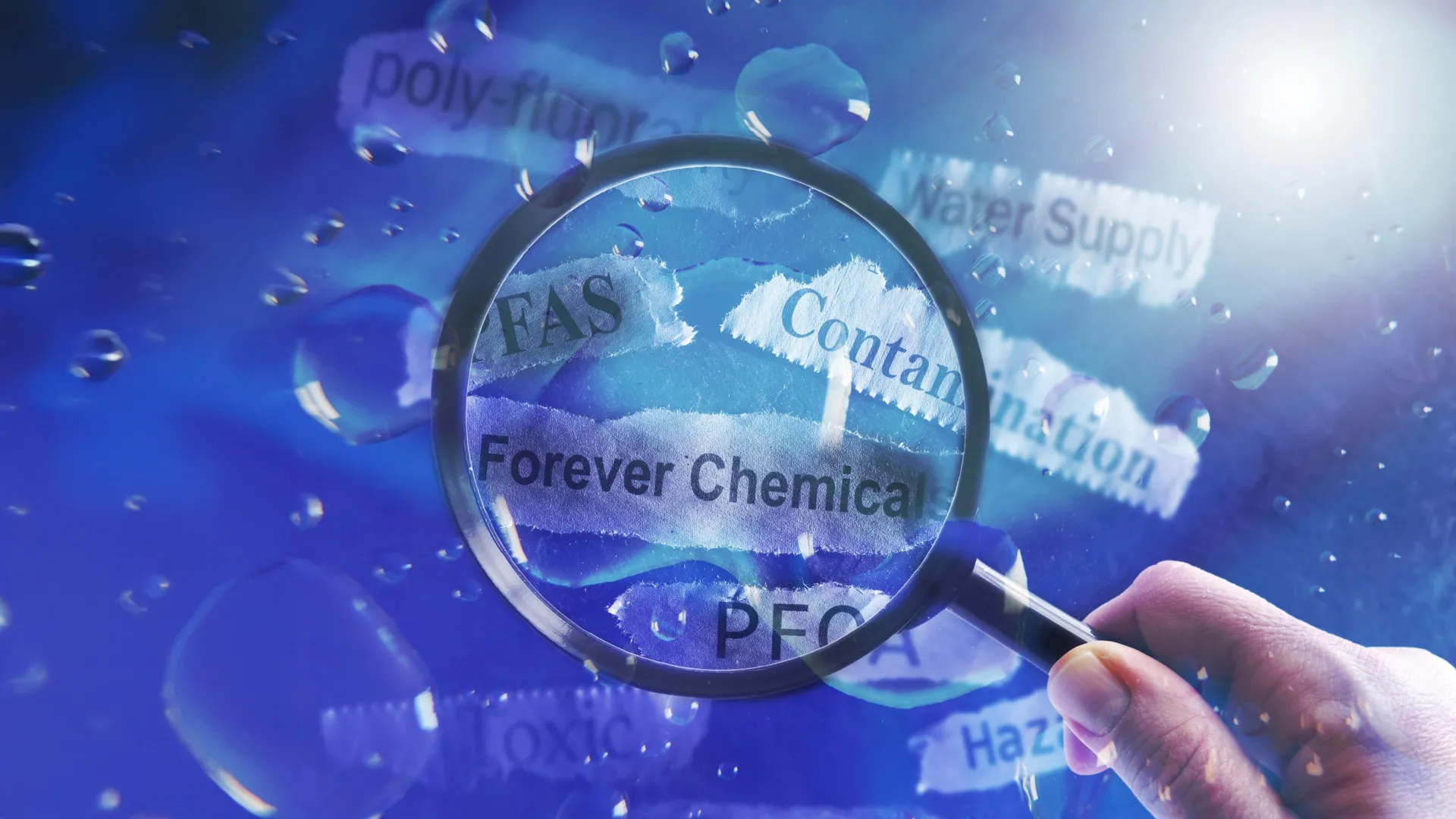
    PFAS, often called “forever chemicals,” represent one of the toughest environmental challenges today. These substances resist breakdown, persisting in water, soil, and even within the human body for decades. Their stability has ignited significant public health and environmental concerns globally. Recently, scientists have unveiled a hidden weakness in these stubborn pollutants. New research shows that intense ultraviolet (UV) light can break down PFAS without the need for added chemicals. This breakthrough gives us a clearer path toward degradation rather than mere removal of these toxic substances.

    The study highlights hydrogen radicals as a key player in breaking down PFAS. These reactive particles form when water is exposed to intense UV light, particularly wavelengths below 300 nanometers. They effectively strip away fluorine atoms from PFAS molecules, leading to smaller, less harmful substances. This revelation shifts our understanding of PFAS degradation. Previous models focused primarily on other reactive species but failed to identify hydrogen radicals as the dominant driver. This critical insight allows researchers to refine their approaches and develop more effective technologies to combat PFAS pollution.

    Transitioning from Removal to Destruction

    Current methods for managing PFAS often focus on merely transferring these chemicals from one location to another. Many water treatment technologies can filter out PFAS, but they do not destroy the molecules. This approach fails to address the root problem. The ultimate goal must shift toward full degradation—completely breaking down these harmful substances. Understanding the mechanisms of PFAS destruction, particularly the role hydrogen radicals play, is essential for creating more sustainable solutions.

    Despite this promising research, challenges remain. The degradation process is slow and can create intermediate compounds that pose their own risks. Therefore, while this discovery marks an important advance, it is not a panacea. It illustrates that with deeper understanding, we can refine our focus on technologies aiming not just for PFAS removal but for total destruction. The findings inspire hope that we might gain the upper hand against even our most persistent pollutants. By leveraging this new knowledge, researchers can develop strategies that tackle PFAS at their core and provide safer environments for all.

    Stay Ahead with the Latest Tech Trends

    Learn how the Internet of Things (IoT) is transforming everyday life.

    Discover archived knowledge and digital history on the Internet Archive.

    TechV1

    Innovation Management Tech technology VT1
    Share. Facebook Twitter Pinterest LinkedIn Tumblr Email
    Previous ArticleAndrew Tate Returns, Makes Bold Bitcoin Move
    Next Article T-Mobile Crowned Best US Mobile Carrier Fleet
    Avatar photo
    Lina Johnson Mercilli
    • Website

    Lina Johnson Marcelli is the editor for IO Tribune, bringing over two decades of experience in journalism to her role. With a BA in Journalism, she is passionate about delivering impactful stories that resonate with readers. Known for her keen editorial vision and leadership, Lina is dedicated to fostering innovative storytelling across the publication. Outside of work, she enjoys exploring new media trends and mentoring aspiring journalists.

    Related Posts

    Quantum

    Adam Wei Tsen Named Endowed Chair in Nanotech

    September 22, 2026
    IOT

    Sift & QNX Stream Live AI Sensor Data

    September 22, 2026
    Gadgets

    Are Safari’s Privacy Features Truly Protecting You?

    September 22, 2026
    Add A Comment

    Comments are closed.

    Must Read

    Adam Wei Tsen Named Endowed Chair in Nanotech

    September 22, 2026

    Sift & QNX Stream Live AI Sensor Data

    September 22, 2026

    Are Safari’s Privacy Features Truly Protecting You?

    September 22, 2026

    Google’s $10M Offer: Valuing Your Data Today

    September 22, 2026

    Dolphins Skillfully Chase, Spit, and Steal Fish Meals

    September 22, 2026
    Categories
    • AI
    • Crypto
    • Fashion Tech
    • Gadgets
    • IOT
    • OPED
    • Quantum
    • Science
    • Smart Cities
    • Space
    • Tech
    Most Popular

    Unearthing a Gem: The Stunning Pachycephalosaur Fossil

    October 24, 2025

    Last Chance: Secure Your Expo Spot at TC All Stage!

    June 5, 2025

    Mustafa Suleyman: AI’s Progress Won’t Slow Down Soon

    April 8, 2026
    Our Picks

    Mina The Hollower Launches May 29 — Shovel Knight Studio

    May 6, 2026

    Emm Secures $9M to Revolutionize Menstrual Care with Smart Cups

    November 19, 2025

    Samsung’s Foldable Pop-Up Pub: Alcohol-Free Beers Fail

    July 25, 2026
    Categories
    • AI
    • Crypto
    • Fashion Tech
    • Gadgets
    • IOT
    • OPED
    • Quantum
    • Science
    • Smart Cities
    • Space
    • Tech
    • Privacy Policy
    • Disclaimer
    • Terms and Conditions
    • About Us
    • Contact us
    Copyright © 2025 Iotribune.comAll Rights Reserved.

    Type above and press Enter to search. Press Esc to cancel.