

Fast Facts
-
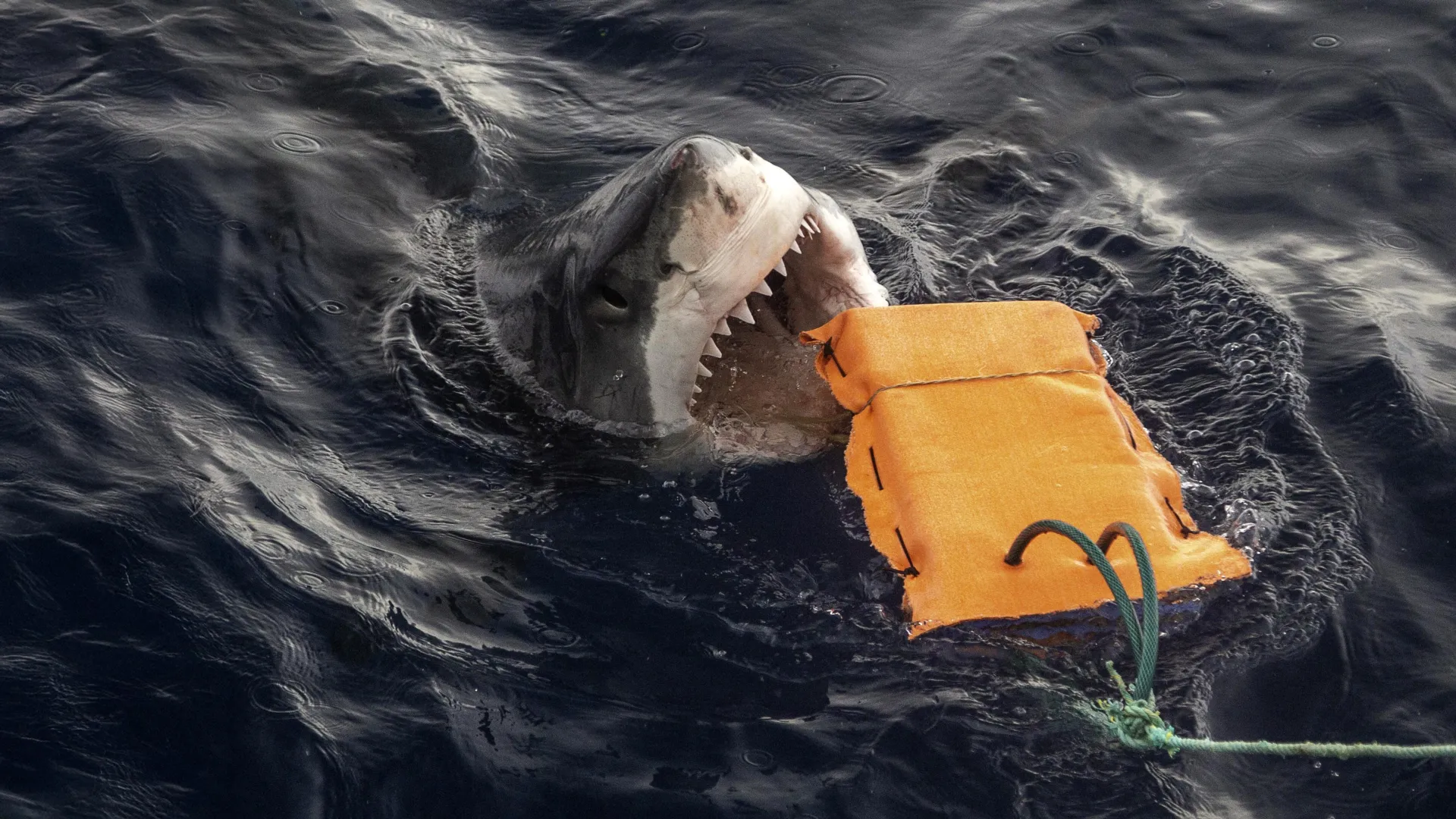
Bite-Resistant Wetsuits: Researchers tested four new bite-resistant wetsuit materials, finding they effectively reduce injuries and blood loss from white and tiger shark bites, making them viable options for enhancing safety in marine activities.
-
Flexibility and Protection: Unlike traditional chainmail suits, the new wetsuits are made from strong yet lightweight fibers, combining flexibility with protection for activities like surfing and diving.
-
Injury Reduction: All tested materials significantly lessen severe damage, potentially preventing severe hemorrhaging and limb loss, thereby enhancing survival rates in shark interactions.
-
Shift in Mitigation Strategies: The study highlights a trend towards personal protective measures against shark attacks, complementing area-based strategies, to improve safety in coastal regions popular for tourism and recreation.
Advancements in Personal Safety
Recent research from Australian shark experts reveals a significant breakthrough in protective gear. The study tested four bite-resistant materials designed for wetsuits. These materials, such as Aqua Armour and Shark Stop, aim to reduce injuries from shark bites. While attacks are still rare, the impacts on coastal communities are profound. Increased water activities lead to more interactions between humans and sharks. Consequently, there is pressure for improved protective measures. Governments often prioritize area-based protections but have begun exploring personal deterrents. This shift highlights a growing focus on individual safety.
The results from this study are encouraging. The tested wetsuits demonstrated a notable reduction in severe injuries. They aim to limit damage typically associated with shark bites, including blood loss and trauma. While traditional chainmail offers protection, it lacks the flexibility required for surfing or diving. In contrast, the new materials integrate strong, lightweight fibers that enhance performance. Experts emphasize that, although these suits do not eliminate all risks, they can greatly diminish the severity of injuries. By reducing blood loss and trauma, they can potentially save lives.
Implications for Recreation and Tourism
The introduction of bite-resistant wetsuits could reshape water-based recreation. As tourism relies heavily on safe marine environments, enhanced protection can benefit local economies. The ability to swim, surf, or dive with increased confidence may attract more visitors. This development aligns with the broader trend of non-lethal shark mitigation strategies. As the focus shifts from traditional methods to innovative personal safety measures, the adoption of protective suits could become widespread.
Moreover, informed decisions about safety gear will empower individuals. Activated participation and increased awareness around shark encounters can enrich the dialogue between researchers, manufacturers, and the public. The evolution of these wetsuits represents a step forward in protecting human lives while coexisting with marine wildlife. As the materials gain traction, they may ultimately redefine safety standards in aquatic recreation, promoting both enjoyment and security.
Expand Your Tech Knowledge
Learn how the Internet of Things (IoT) is transforming everyday life.
Explore past and present digital transformations on the Internet Archive.
TechV1
