

Top Highlights
- Matt Horne highlights that Duolingo’s instant XP boosts create a sense of urgency and pressure, transforming learning into a stressful countdown rather than an enjoyable activity.
- The lack of a manual toggle or savings option for XP boosts forces users to use them immediately, which often clashes with their real-life schedules and short available learning windows.
- The app’s gamification, especially these time-sensitive boosts, can shift focus from genuine learning to merely rushing for points, diminishes the user’s perceived value of the activity, and increases anxiety.
- Horne proposes introducing an inventory or claiming system for XP boosts to reduce pressure, better respecting users’ time, and fostering a more learner-friendly environment.
The Joy and Challenge of Duolingo’s Gamification
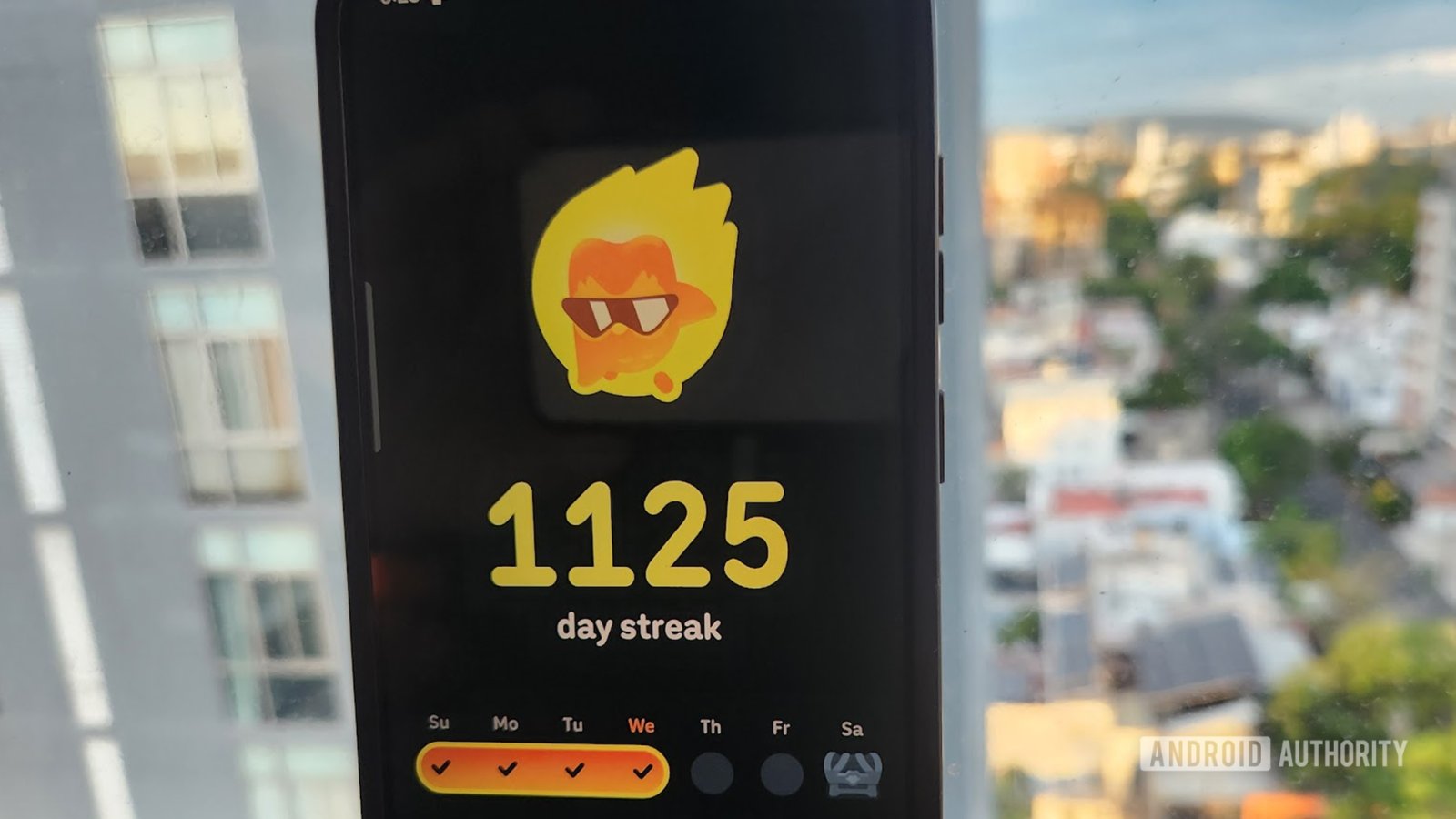
Many language learners, including myself, cherish Duolingo’s playful design. Its colorful interface and game-like features make studying feel fun and engaging. The daily streaks motivate users to practice regularly, turning language learning into a habit rather than a chore. These features help learners stay committed, even during busy days. However, despite the benefits, recent changes in the app introduce new challenges. The addition of XP Boosts is meant to reward consistent effort. Yet, for some, it shifts the focus from genuine learning to quick, timed gains. While gamification boosts motivation for many, it can also create unintended pressure. This balance between fun and stress has become a key point of debate.
Understanding the Impact of Instant XP Boosts
The core issue with Duolingo’s XP Boosts lies in their instant activation. When a lesson ends, a prompt appears—no options, no planning. The Boost is ready to be used immediately, or it will expire. This setup pressures users to make rapid decisions during short windows of free time. For example, a quick coffee break or a brief moment between tasks often isn’t enough to maximize these rewards. Instead of encouraging relaxation and deliberate practice, the system encourages hurried attempts. Many users find this stressful, leading to missed opportunities. Some even avoid opening the app during busy days to prevent wasting unclaimed Boosts. This feature, originally designed to motivate, now feels more like a trap that limits flexibility and respect for individual schedules.
A Better Way to Support Learners
To improve, Duolingo could introduce a simple inventory or “banking” system for XP Boosts. Learners would be able to save Boosts when time is tight and deploy them when they have longer, focused sessions. Such a system respects different routines and reduces the anxiety of missing out. It also encourages learners to plan ahead, transforming urgency into strategy. Many users want the app to prioritize their goals over gamified pressure. A “Claim and Save” toggle would make the experience feel more supportive instead of stressful. Balancing gamification with user autonomy can keep language learning enjoyable and effective. Ultimately, respecting users’ time and choices benefits everyone—making Duolingo not just a fun app, but also a friend that genuinely helps us grow.
Expand Your Tech Knowledge
Dive deeper into the world of Cryptocurrency and its impact on global finance.
Discover archived knowledge and digital history on the Internet Archive.
CellphonesV1
