

Top Highlights
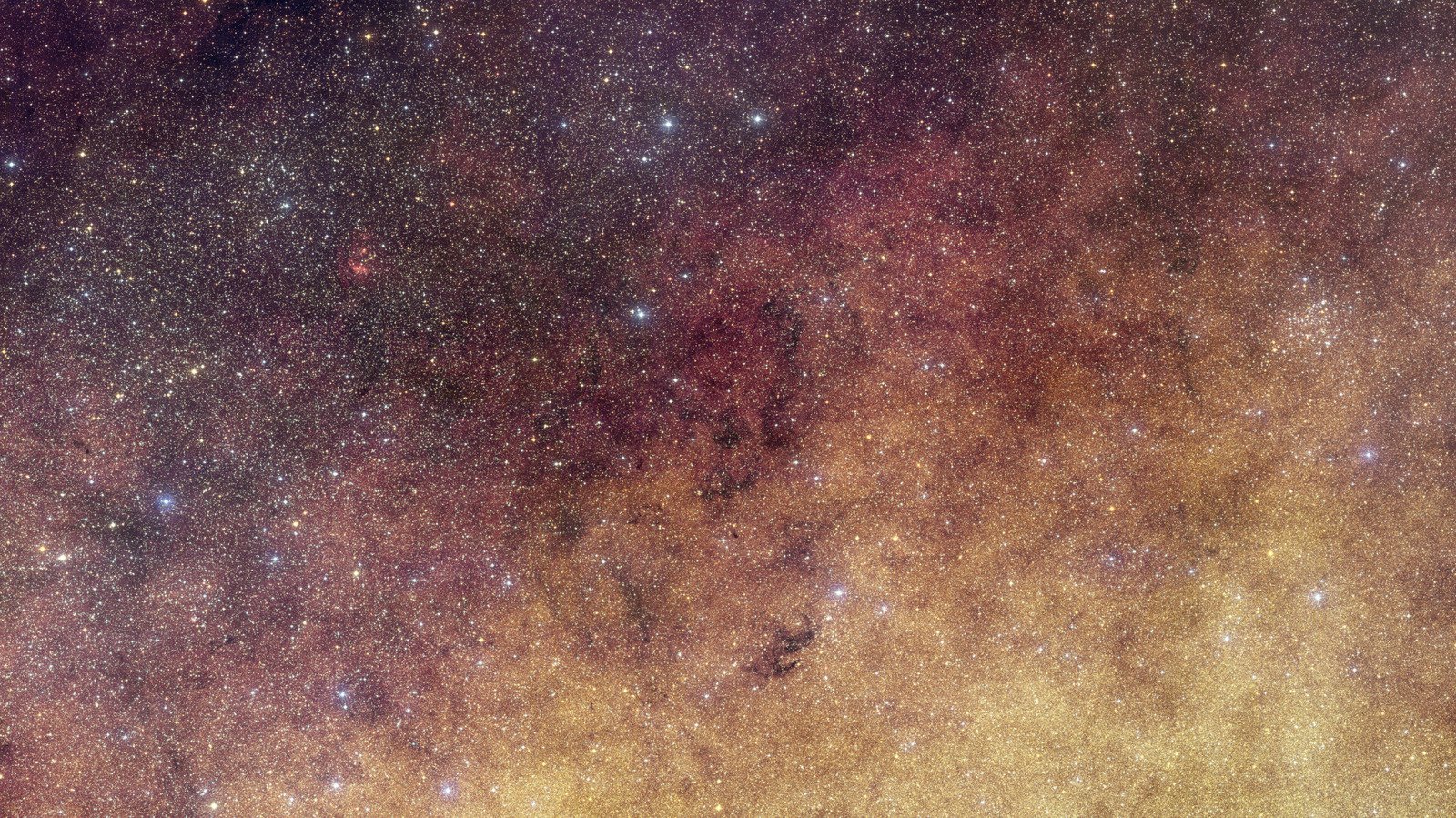
- ESA’s Euclid telescope captured a striking image of the Milky Way’s bulge, focusing on the dense center of our galaxy.
- This image provides critical context for NASA’s upcoming five-year Nancy Grace Roman Space Telescope mission, aiding in more accurate mapping.
- Combining Euclid’s snapshot with Roman’s survey will enhance the discovery of elusive objects like black holes and rogue planets.
- The image underscores the immense star density in the galactic bulge and supports ongoing research into this challenging region.
Euclid’s Bright Look Into the Heart of the Milky Way
The European Space Agency’s Euclid telescope recently captured a stunning image of the Milky Way’s dense center. This snapshot reveals thousands of stars packed into a small area, showcasing the galaxy’s bright, crowded core. While many images of space come from the James Webb Space Telescope, Euclid’s photo offers a different perspective. It focuses on the galactic bulge, the bulbous center of our galaxy, which is usually difficult to observe clearly. This image is not just pretty; it helps scientists understand the vast number of stars in that region better. Knowing more about the galaxy’s core can improve how we study stars, black holes, and other cosmic objects. Euclid’s detailed view provides valuable context before NASA’s next big mission begins.
Navigating New Tools for Cosmic Discovery
This image from Euclid sets the stage for an exciting upcoming project. NASA plans to launch the Nancy Grace Roman Space Telescope later this summer. Roman will work for five years to monitor changes in stars and other objects in the galactic bulge. Its goal is to map these changes and discover hidden treasures, like rogue planets and isolated black holes. Interestingly, Euclid’s earlier snapshot will enhance Roman’s survey. By having a clear picture beforehand, researchers can better identify tiny, faint objects that are hard to find. This collaboration between telescopes shows how new technologies can complement each other to uncover secrets of the universe. Plus, it highlights the ongoing efforts by space agencies to explore our galaxy more deeply than ever before.
Advancing Our Understanding of the Galaxy’s Secrets
The Euclid image also reveals more about the galaxy’s structure. Recent studies using similar data found fragments of ancient galaxy components called “bulge fossils.” These small pieces help scientists piece together the history of the Milky Way. The dense star field in the photo illustrates just how many stars exist in this region. These stars could hide black holes or planets that roam freely through space. The combination of Euclid’s images and future Roman observations promises to open new doors in space research. It’s an exciting moment for astronomers, as they gain clearer views and better tools. With each step forward, we move closer to understanding our cosmic neighborhood’s full story.
Continue Your Tech Journey
Learn how the Internet of Things (IoT) is transforming everyday life.
Explore past and present digital transformations on the Internet Archive.
CellphonesV1
