

Essential Insights
- The 2026 total solar eclipse occurs on August 12, viewable worldwide.
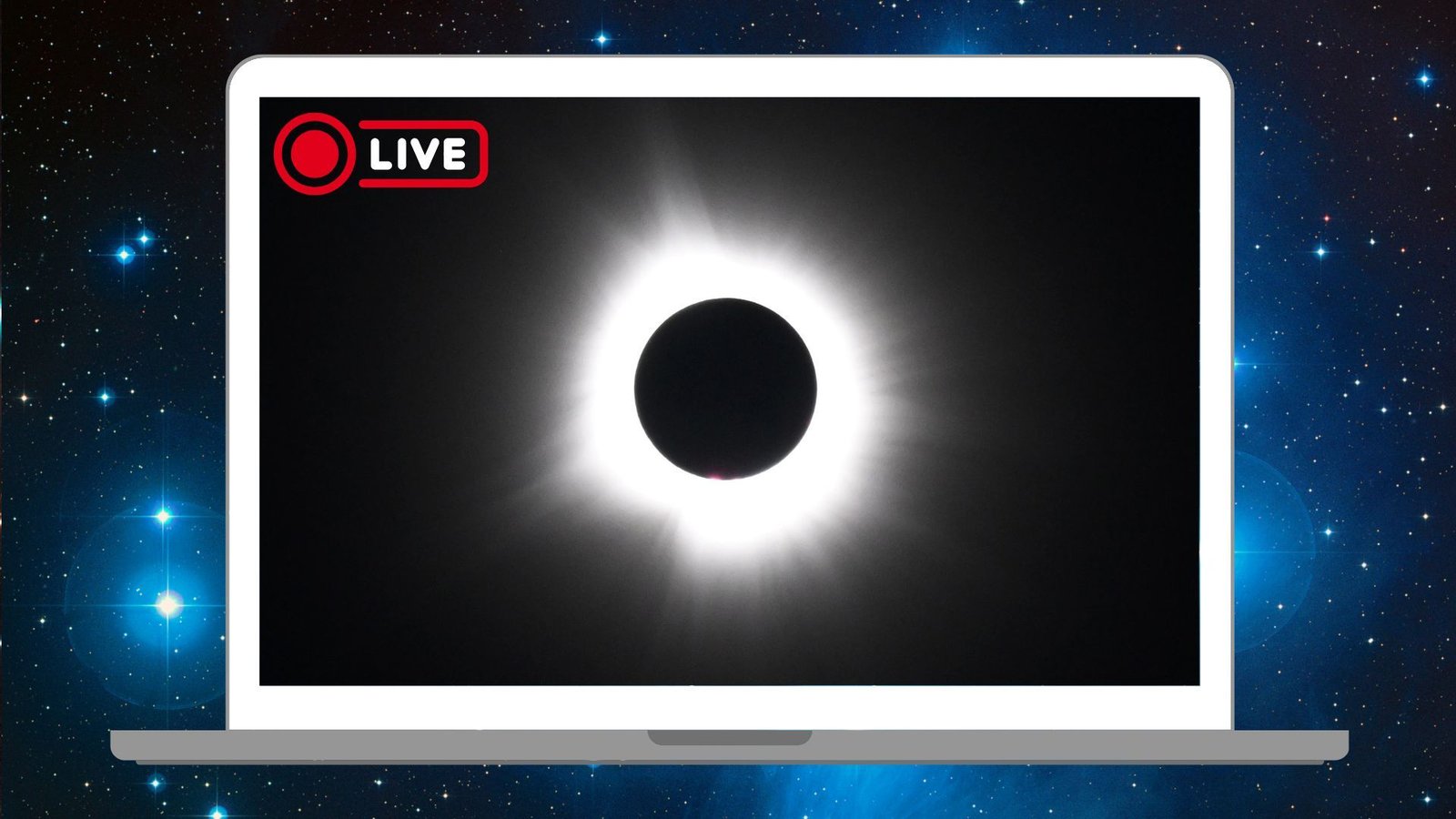
- NASA, ESA, and observatories will livestream the eclipse online.
- Live streams start around 12-1:30 p.m. EDT from various locations.
- Viewers can watch expert commentary, science explains, and stunning visuals.
How to Watch the Total Solar Eclipse Online on August 12
The total solar eclipse happening on August 12 is one of the most anticipated celestial events of the year. Millions across Spain, Iceland, Greenland, and parts of Europe will witness the moon completely cover the sun, creating a stunning spectacle of totality. For those outside the eclipse’s path or unable to view it in person, several live streams offer opportunities to experience the event from home.
NASA will stream the eclipse starting at 1:15 p.m. EDT on August 12. The broadcast will feature live footage from cameras positioned along the eclipse’s path. Viewers will see real-time visuals of totality and receive explanations about the science behind this rare event. NASA’s coverage will be accessible via Space.com, YouTube, Twitch, NASA+, Facebook, Instagram, and Amazon Prime.
Time and Date, a popular online platform, begins its livestream at 12 p.m. EDT (1700 GMT). The stream offers live views from locations in northwestern Spain and Mallorca, with commentary from journalist Anne Buckle and astrophysicist Graham Jones. This provides viewers with a detailed science perspective and live updates.
The European Space Agency (ESA) will start its live broadcast at 1:30 p.m. EDT (1730 GMT). The stream will feature expert commentary and visuals from telescopes at the Observatorio Astrofisco de Javalambre, near Teruel, Spain. This official feed ensures a close look at the eclipse’s progress from one of the best vantage points.
London’s Royal Observatory Greenwich will host two YouTube streams beginning at 1:15 p.m. EDT (1815 GMT). One will include live commentary from astronomer Greg Brown about the eclipse and the sun’s science, while the other will provide a silent visual of the event. These options let viewers choose how they want to experience the eclipse remotely.
The Virtual Telescope Project will reveal views from Italy’s robotic telescopes starting at 1:20 p.m. EDT (1720 GMT). They will share insights from Italy and Spain during the partial phases and totality. Later, the project will host a separate stream showing the Perseid meteor shower peak, which occurs overnight on August 12-13.
For ongoing updates, Space.com maintains a live blog with the latest news, photos, and reports from observers around the world. Skywatchers in Spain and Greenland are sharing their firsthand experiences, adding a personal touch to the event.
Whether you watch via a professional broadcast or follow social media updates, these free online streams make it easy to witness one of nature’s most breathtaking sights from anywhere.
Expand Your Tech Knowledge
Stay informed on the revolutionary breakthroughs in Quantum Computing research.
Explore past and present digital transformations on the Internet Archive.
Space
