

Top Highlights
- Worcester Polytechnic Institute innovates efficient lithium-ion battery recycling processes for sustainability.
- Demand for lithium-ion batteries is surging due to rising EV sales.
- Domestic mining and recycling are essential for U.S. battery supply chain security.
- Ascend Elements, founded by WPI researchers, is advancing battery recycling technology.
Revolutionizing Battery Recycling
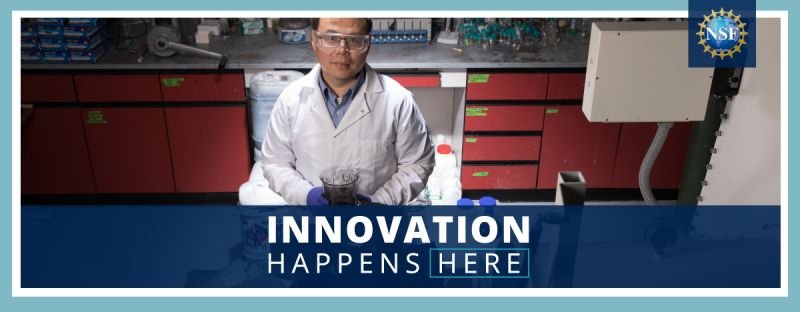
Worcester Polytechnic Institute (WPI) is at the forefront of a groundbreaking shift in battery recycling. Under the visionary leadership of its researchers, particularly Professor Yan Wang and Chief Technology Officer Eric Gratz of Ascend Elements, WPI has developed one of the most efficient lithium-ion battery recycling processes globally. These innovations stem from research that started over a decade ago, fueled by National Science Foundation (NSF) support. As electric vehicle (EV) sales surge and the demand for renewable energy storage increases, the critical nature of this technology cannot be overstated.
Lithium-ion batteries have dominated the energy landscape since the 1990s. Yet, the rapid rise in their usage has unearthed a daunting challenge—the scarcity of essential materials like lithium and cobalt. Current mining practices often harm local communities and the environment. As the U.S. aims for EVs to comprise half of all new vehicle sales by 2030, dependence on foreign sources for battery materials poses risks to both energy security and the environment. Recent initiatives under President Biden underscore the urgency to bolster domestic recycling facilities. The vision includes not only matching battery “giga-factories” with recycling plants but achieving a circular economy for battery materials.
A Sustainable Future
WPI’s innovations offer a promising pathway forward. By focusing on advanced methods that maintain the integrity of battery materials, their technology effectively recycles lithium and cobalt without extensive separation processes. Gratz’s remark that the U.S. needs “giga-recycling” mirrors an impending necessity for sustainable practices. As the nation pushes to reclaim its position in battery manufacturing, WPI’s advancements provide a strategic advantage. Besides being eco-friendly, recycled materials produced by Ascend Elements perform comparably to new materials.
This movement also extends into the realm of national security. By reducing reliance on overseas recycling and raw material supply chains, the U.S. can safeguard its energy interests and foster job creation in advanced manufacturing. The success of WPI’s research demonstrates a vital link between academic inquiry and commercial applicability. As a result, a cleaner, more sustainable battery ecosystem grows within reach, promising to address the pressing environmental and economic challenges posed by today’s energy demands.
Stay Ahead with the Latest Tech Trends
Stay informed on the revolutionary breakthroughs in Quantum Computing research.
Discover archived knowledge and digital history on the Internet Archive.
TechV1
