

Essential Insights
- The article explains that sleep apnea is a serious condition characterized by disrupted breathing during sleep, often unnoticed without symptoms other than fatigue, and requires medical diagnosis through sleep studies.
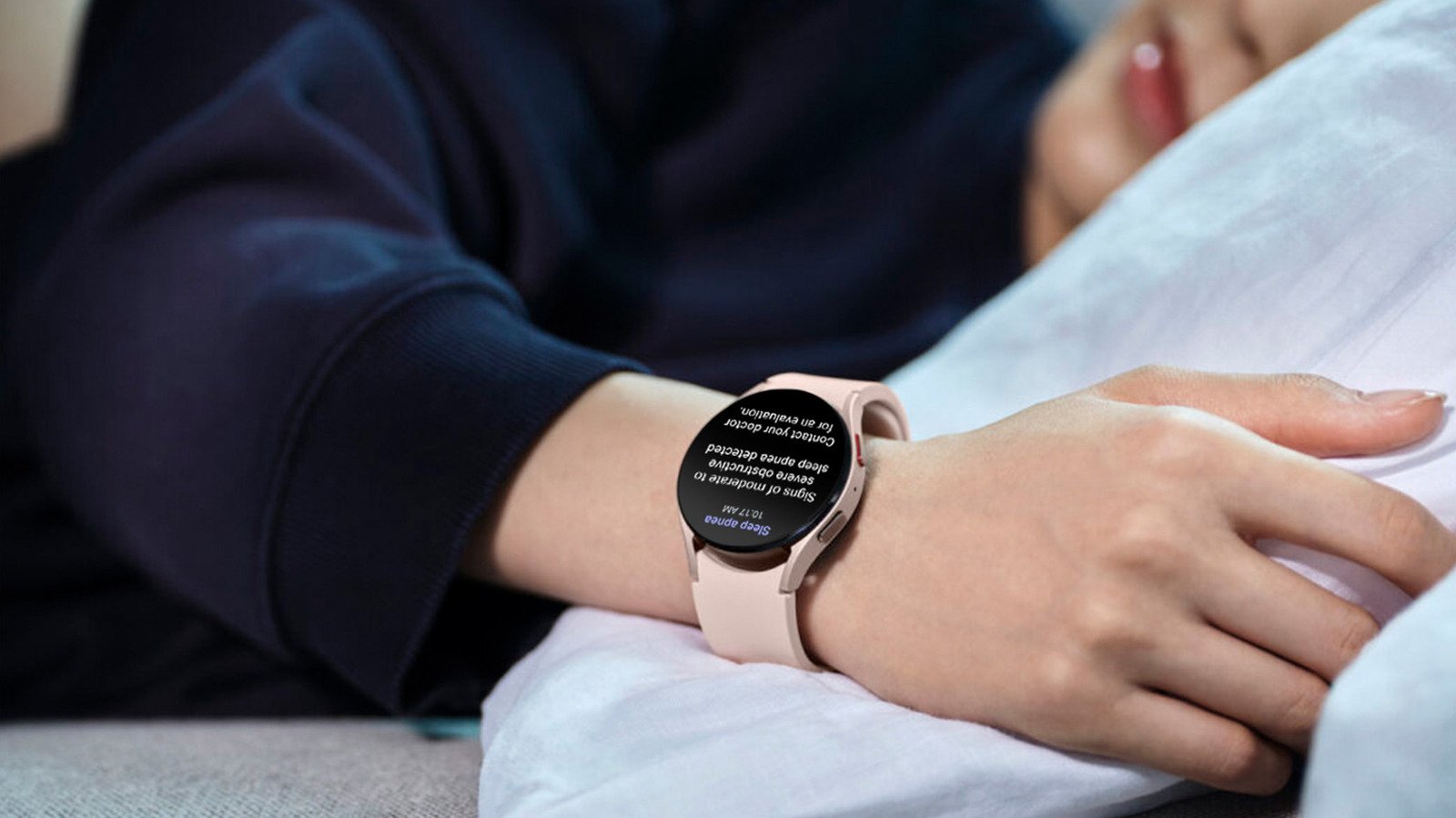
- Smartwatches from Apple (Series 9 and later, Ultra 2/3, SE 3) and Samsung (Galaxy Watch 4 and newer) are FDA-authorized to screen for signs of moderate-to-severe sleep apnea, but do not diagnose the condition.
- Apple and Samsung’s devices can track breathing disruptions over multiple nights, alerting users if patterns suggest possible sleep apnea, prompting medical consultation.
- Other wearables like Withings, Garmin, and Oura can identify breathing irregularities but lack FDA clearance for sleep apnea detection; always consult a healthcare provider for diagnosis.
Can Your Smartwatch Detect Sleep Apnea?
Smartwatches have become more than just devices for telling time or counting steps. They now offer features that can monitor your health, including sleep quality. Recently, some models can even screen for signs of a sleep disorder called sleep apnea. While these watches can’t diagnose the condition, they help identify possible warning signs. This allows users to seek medical advice sooner. As technology advances, your smartwatch might become a useful tool in managing your sleep health.
How Smartwatches Screen for Sleep Apnea
Apple and Samsung are the two biggest players in this area. Both brands have received official approval from the FDA for their sleep apnea screening features. They use sensors in the watch to analyze your breathing patterns while you sleep. For example, the Apple Watch Series 9 and newer models use an accelerometer to look for irregular breathing signals. They record data for at least ten nights, and if they find consistent signs of trouble, they notify you. Similarly, Samsung’s Galaxy Watch can spot signs of moderate-to-severe sleep apnea with just two nights of data. You need to use the Samsung Health Monitor app on a compatible Galaxy phone. These features help you understand if your sleep might be disrupted in ways related to apnea. However, neither watch can give a final diagnosis — only a healthcare professional can do that through proper testing.
The Broader Picture and Future Possibilities
Other devices, like the Withings ScanWatch and some Garmin watches, can detect breathing disturbances during sleep. The ScanWatch even has FDA clearance for tracking breathing issues. Yet, they don’t specifically market these features as sleep apnea alerts. Meanwhile, products like the Oura Ring and Fitbit can record respiratory rate but lack FDA approval for screening sleep apnea. This field is still evolving. Most wearable tech provides valuable insights but does not replace medical diagnosis. Still, they serve as helpful early warning systems. If your device detects irregular breathing at night, seeing a doctor is the best next step. By combining technology with medical guidance, you improve your chances of managing sleep health proactively.
Expand Your Tech Knowledge
Dive deeper into the world of Cryptocurrency and its impact on global finance.
Discover archived knowledge and digital history on the Internet Archive.
CellphonesV1
