

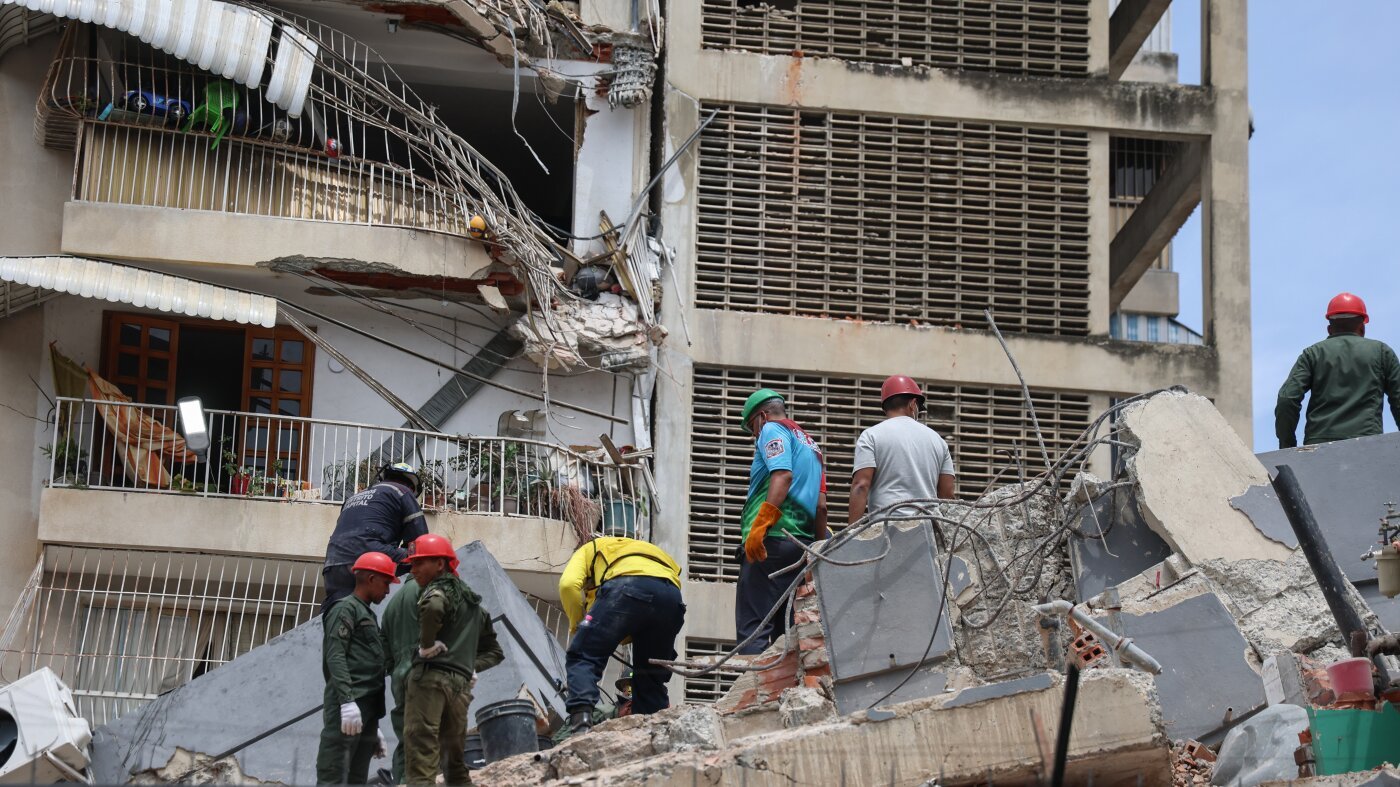
Summary Points
- Caracas experienced severe damage from two back-to-back powerful earthquakes.
- The earthquakes occurred on separate faults, complicating risk assessments.
- Many structures are outdated, lacking modern earthquake-resistant engineering.
- Other unrelated earthquakes occurred globally, illustrating the frequency of seismic events.
Venezuelan Earthquake Sequence: A Study of Dual Fault Activity
Natural disasters often catch regions off guard, and the recent sequence of earthquakes in Venezuela is a stark reminder of this reality. Two strong earthquakes struck just 39 seconds apart, both causing significant damage, especially in Caracas. With complexity in tectonic structures, scientists are now exploring the possibility that these quakes involved not one, but two separate faults.
The Earthquake Impact and Complex Fault Lines
The first earthquake registered at a magnitude of 7.2, ominously followed by a 7.5-magnitude tremor. Such a significant release of energy implies a catastrophic effect for any densely populated area, doubly so in cities with older, vulnerable buildings. Geophysicists describe the aftermath as tragic. The close timing and magnitude of these earthquakes led some researchers to suggest that they may have originated from different faults.
Venezuela’s geological landscape features numerous intersecting faults, making it challenging to pinpoint a sole culprit for the tremors. This multifault scenario has historical precedence. The Kaikōura earthquake in New Zealand demonstrated how interconnected faults could trigger multiple ruptures, altering our understanding of earthquake risks.
Global Implications and Preparedness
Venezuela’s recent seismic activity coincided with unrelated earthquakes in Japan and California, raising questions about the broader geological patterns at play. However, while these events might seem connected, scientists confirm they are not. The readiness and resilience of affected regions vary significantly. California, with its complex fault systems, has invested considerably in earthquake preparedness. Buildings in these areas often reflect advanced engineering practices built on the latest scientific insights.
Many regions, including Venezuela, have buildings that predate modern understanding of plate tectonics. Retrofitting these structures poses a daunting challenge, revealing a gap between scientific advancement and practical application in engineering. As seismic events continue to occur globally, it becomes increasingly essential to adopt new strategies for risk assessment and construction.
The Venezuelan earthquake sequence underscores the unpredictability of nature and the critical need for preparedness. As scientists delve deeper into the complexities of fault interactions, the knowledge gained will not only inform future risk assessments but could also save lives. Understanding that regions may be affected by multiple fault lines changes the landscape of earthquake science. It propels us toward better safety protocols and design standards in vulnerable areas worldwide.
Expand Your Tech Knowledge
Dive deeper into the world of Cryptocurrency and its impact on global finance.
Explore past and present digital transformations on the Internet Archive.
Space
