

Fast Facts
- Researchers identified a potential treatment for fibrolamellar carcinoma using AMD3100.
- This rare liver cancer mainly affects children and has no cure.
- Tumors trap immune T cells, hindering effective immunotherapy for patients.
- Combining AMD3100 with immune checkpoint inhibition showed increased tumor cell death.
Overcoming Resistance in Rare Liver Cancer
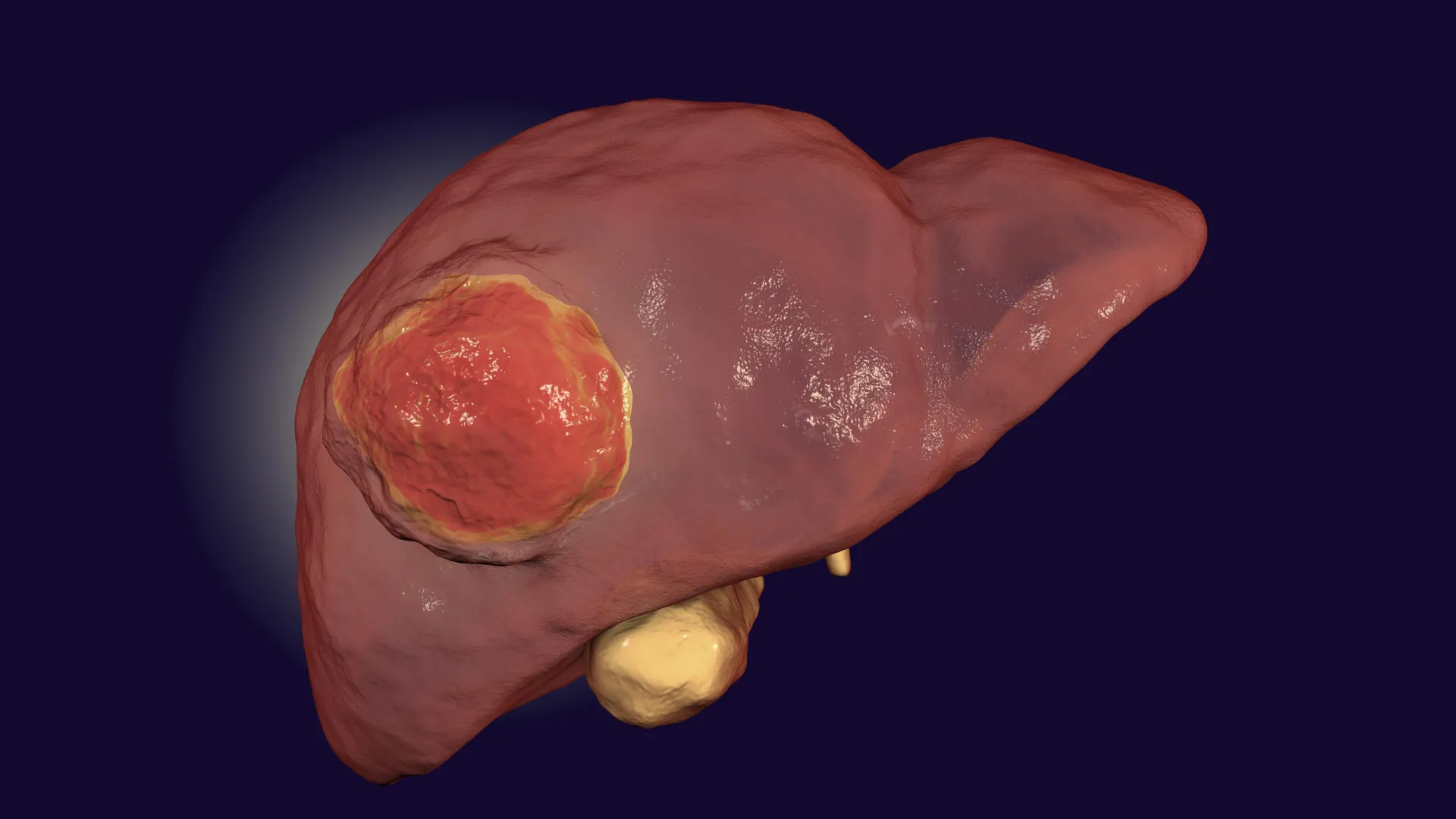
Fibrolamellar carcinoma is a rare and aggressive liver cancer that mainly affects children and young adults. It comprises only about 2% of all liver cancer cases. Sadly, the disease often delays diagnosis until it has spread, leading to poor survival rates. Historically, immunotherapy has struggled to combat this cancer effectively. Researchers have uncovered critical insights into how fibrolamellar tumors evade the immune system. They found that these tumors create an environment that prevents T cells from entering and attacking cancer cells. This phenomenon, known as T-cell exclusion, hinders the immune system’s ability to fight the disease.
The good news emerged from recent research published in the journal Gastroenterology. Scientists discovered that AMD3100, an FDA-approved drug for another condition, might disrupt this harmful environment. The treatment allows T cells to navigate around the tumor’s defenses and target cancer cells. This finding holds the potential for a new treatment strategy for a disease that has been dauntingly resistant to current therapies.
Innovative Techniques and Future Trials
Researchers employed advanced technology, specifically single-nucleus transcriptomics, to gain a clearer picture of the tumor microenvironment. This technique allows scientists to analyze individual cells within tumor tissue, shedding light on interactions that take place there. The results confirm how fibrous bands produced by altered liver cells capture T cells, directing them away from effective attack against the cancer.
The potent combination of AMD3100 with immune checkpoint inhibitors offers promising avenues for future clinical trials. Researchers have shown that this combination enhances T-cell activation and markedly increases tumor cell death. Since AMD3100 is already FDA-approved, this expedites the path to potential clinical trials. The hope lies in quickly evaluating this treatment in patients suffering from fibrolamellar carcinoma. This represents a significant leap in tackling a cancer that has historically evaded effective treatment methods. The findings underline the importance of innovation in addressing even the most challenging medical conditions.
Discover More Technology Insights
Explore the future of technology with our detailed insights on Artificial Intelligence.
Explore past and present digital transformations on the Internet Archive.
TechV1
