

Fast Facts
- Antimicrobial resistance (AMR) causes 1.1 to 1.4 million global deaths annually.
- Glyphosate herbicide may select for bacteria resistant to multiple antibiotics.
- Hospital bacteria show high resistance to both antibiotics and glyphosate.
- Researchers urge pesticide regulations to consider impacts on antibiotic resistance.
The Connection Between Glyphosate and Antibiotic Resistance
Antimicrobial resistance (AMR) represents a critical public health challenge. Estimates indicate that AMR contributes to 1.1 million to 1.4 million deaths globally each year. Typically linked to the overuse of antibiotics, recent research highlights another factor: certain weedkillers, particularly glyphosate, may play a role.
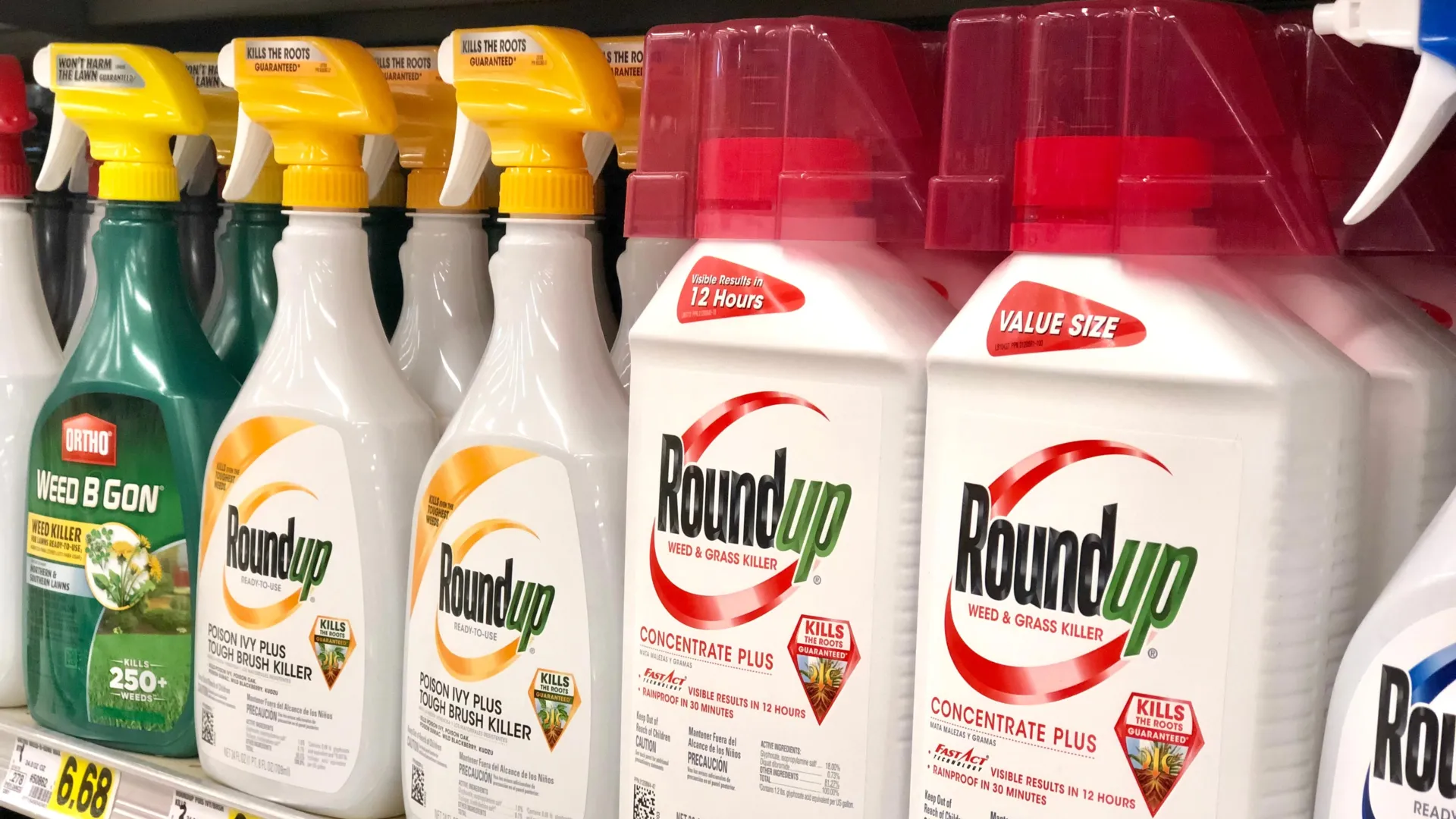
Glyphosate is one of the world’s most widely used herbicides, found in products like Roundup. While many home-use products have shifted away from glyphosate, it remains prevalent in professional and agricultural settings. A study conducted by researchers in Buenos Aires found alarming evidence that glyphosate helps select for antibiotic-resistant bacteria. This study analyzed bacterial strains from diverse environments, including untouched nature reserves, farms, and hospitals. The results showed that bacteria resistant to multiple antibiotics also demonstrated resistance to glyphosate.
The Implications for Public Health
This raises significant concerns for public health. If multidrug-resistant bacteria survive in agricultural environments, the potential for these strains to enter the food supply increases. Hospitals often discharge untreated wastewater, which could introduce these resilient organisms to agricultural areas where glyphosate is used.
Researchers found similar genetic traits among antibiotic-resistant bacteria across different environments. This suggests that resistant bacteria can adapt and thrive in various settings, creating a dangerous cycle. The water cycle could facilitate bacteria’s movement between farms and hospitals, amplifying the AMR issue.
Experts now call for stricter regulations on pesticide use. They argue that policies should mandate testing for potential co-selection of antibiotic resistance before glyphosate and similar products hit the market. Without such measures, we face a growing risk of amplifying an already dangerous global health crisis. Immediate action is necessary to protect public health and ensure a sustainable future for agriculture.
Stay Ahead with the Latest Tech Trends
Dive deeper into the world of Cryptocurrency and its impact on global finance.
Explore past and present digital transformations on the Internet Archive.
TechV1
