

Quick Takeaways
- MIT scientists measured the electron’s quantum shape for the first time.
- They used ARPES to reveal the quantum geometry of materials.
- This breakthrough enables new understanding of complex quantum materials.
- Collaboration across countries and labs was key to the achievement.
Scientists Measure Quantum Geometry of Electrons for the First Time
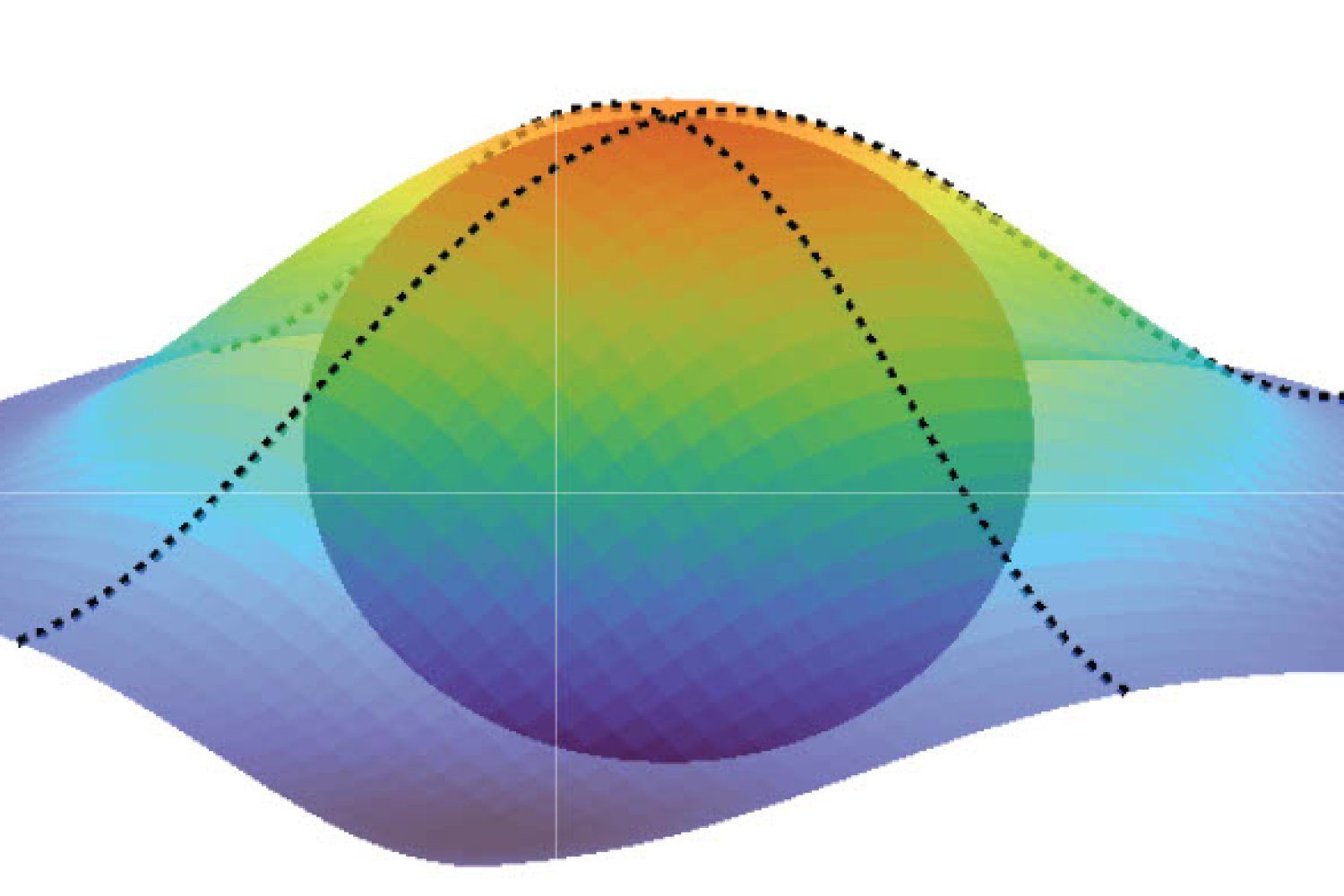
MIT physicists and their partners have achieved a major breakthrough by measuring the shape of electrons in solids at the quantum level for the first time. Previously, scientists could only estimate how electrons behave or infer their properties through theory. The new method provides direct insight into the quantum geometry of wave functions, which describe electrons as both particles and waves. This advance could transform how researchers understand and develop new materials with unique quantum properties.
Implications and Techniques Behind the Discovery
The team used a technique called angle-resolved photoemission spectroscopy (ARPES), which helps analyze how electrons interact within materials. They adapted ARPES to measure the complex shapes of wave functions in a kagome metal—a type of quantum material with potential uses in quantum computing and electronics. The work was made possible through close collaboration between theorists and experimentalists, highlighting the importance of teamwork in scientific progress. This achievement opens doors to studying and manipulating quantum materials more precisely, with applications across technology and industry.
Expand Your Tech Knowledge
Explore the future of technology with our detailed insights on Artificial Intelligence.
Explore past and present digital transformations on the Internet Archive.
QuantumV1
