

Fast Facts
- FAA proposes noise-based certification for new supersonic passenger aircraft.
- Advances in technology could reduce sonic booms during overland flights.
- New rules will clarify certification for supersonic takeoff and landing noise.
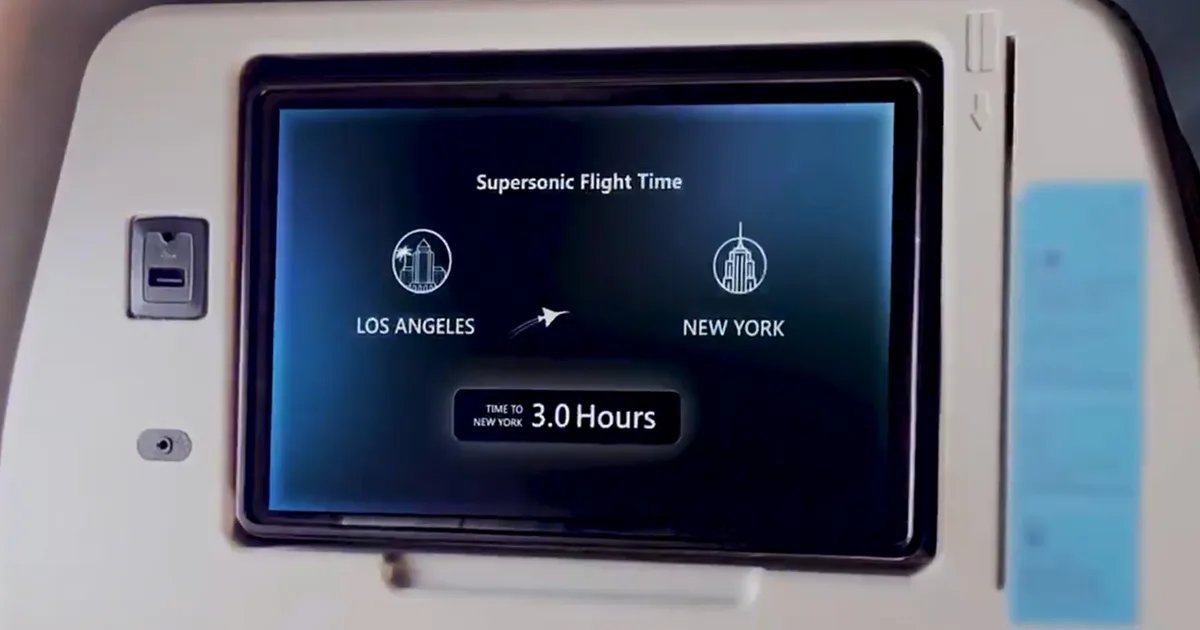
- Future supersonic flights could cut travel times by half or more.
The dream of faster-than-sound travel approached reality recently as the Federal Aviation Administration (FAA) proposed new noise-based certification standards for supersonic passenger aircraft. This initiative marks a crucial step forward and addresses long-standing restrictions on overland supersonic flights. For decades, the disruptive sonic boom generated when aircraft exceed the speed of sound hindered commercial air travel expansion. Now, advances in technology and engineering mean that new designs may soon fly at supersonic speeds without the accompanying noise that once grounded progress.
Breaking Barriers with Technology
The FAA’s focus on noise reduction signals a seismic shift in aviation regulations. Collectively, scientists and engineers have made remarkable advancements in materials science and aerodynamics, enabling aircraft to soar faster while minimizing noise pollution. These developments present an opportunity to rethink flight regulations from the 1970s, which have stifled innovation. The proposed regulations aim to set a clear certification path for manufacturers, balancing flight speed with environmental concerns.
The potential benefits of successful implementation extend beyond just romance or novelty. Faster flights could dramatically reduce travel times. Current commercial flights typically cruise between 550 to 600 mph, but Mach 1 aircraft could go beyond 770 mph. This speed means that a journey that currently takes six hours could shrink to three hours, significantly impacting both passenger convenience and cargo logistics. The implications for global connectivity and trade could be profound, opening new pathways for economies and cultures.
The Road Ahead: Challenges and Realities
While the FAA’s announcement is a game changer, it does not mean supersonic aircraft will soon fill the skies. Manufacturers must now meet the new safety and noise standards outlined by the FAA. This undertaking requires significant investment and time. Experts caution that developing and ultimately certifying these aircraft may still take years, if not longer.
Public perception also plays a crucial role in this transition. Conversations around sonic booms and environmental impact remain prevalent. It is essential for manufacturers and regulators to engage with communities and address safety and noise concerns. Without public buy-in, even the most cutting-edge technology may face challenges in adoption.
The FAA’s decision paves the way for a new era in air travel. While the possibility of commercial supersonic flights excites many, it is vital to approach this transition cautiously. Balancing speed, safety, and noise will dictate whether the skies truly become a faster and quieter place for travelers.
Expand Your Tech Knowledge
Explore the future of technology with our detailed insights on Artificial Intelligence.
Stay inspired by the vast knowledge available on Wikipedia.
TechV1
