

Quick Takeaways
- Hyundai and Kia introduced Plasma Care UVC for in-vehicle sanitation.
- This UV technology eliminates odors by killing bacteria causing smells.
- Far-UVC light is safe for humans while effectively sanitizing surfaces.
- Testing showed significant bacteria reduction; tech not yet in production cars.
Revolutionizing Vehicle Hygiene with Far-UVC Technology
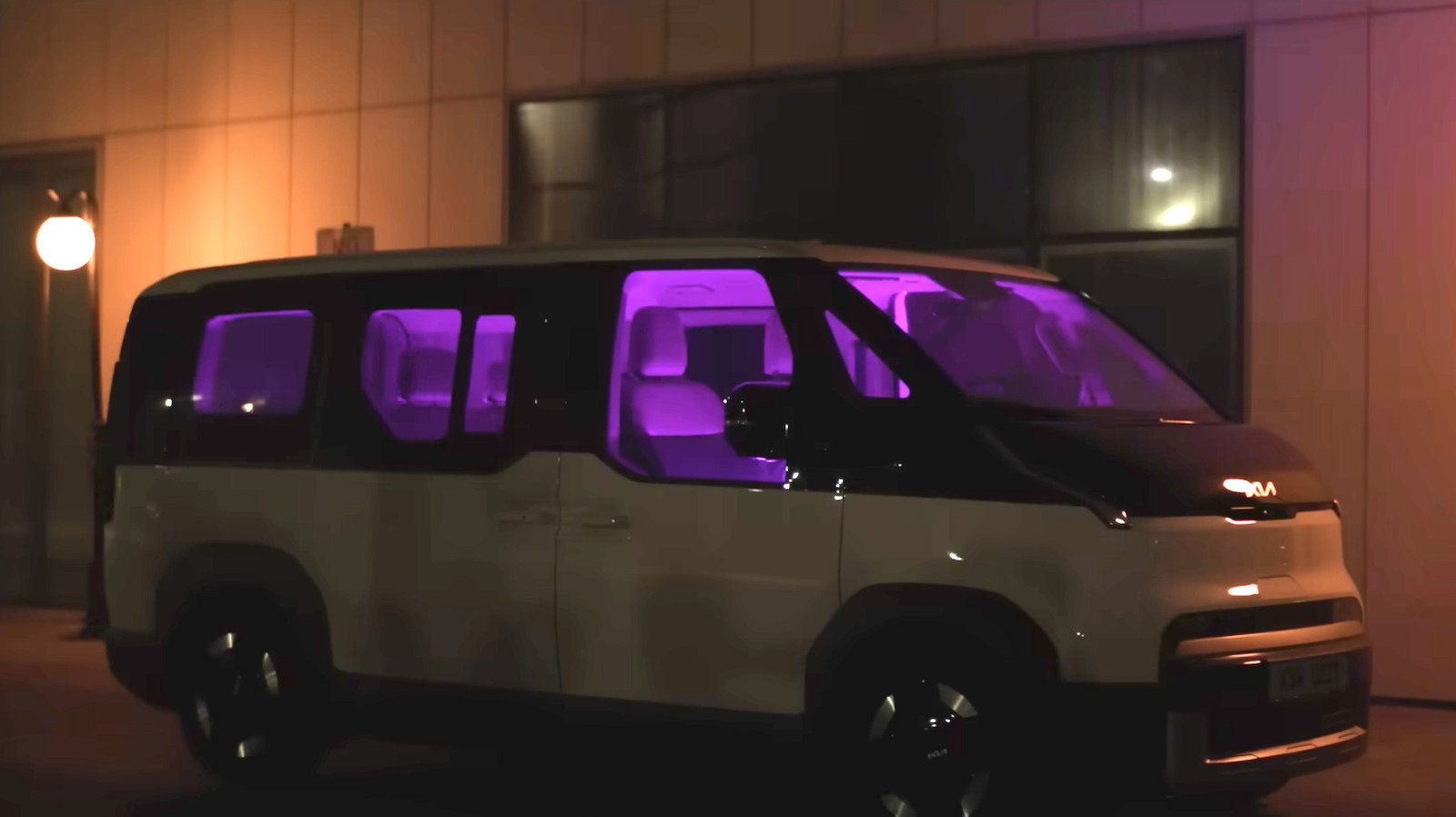
Hyundai and Kia are pioneering a significant shift in vehicle sanitation with their Plasma Care UVC system. This innovative technology uses Far-Ultraviolet C light to combat bacteria and viruses within the cabin, even while passengers are present. By targeting the very organisms that cause unpleasant odors, this system could effectively eliminate the need for air fresheners—those ubiquitous products that rarely mask odors effectively.
Traditional air fresheners often only cover up smells rather than tackling their source. With Plasma Care UVC, new approaches to hygiene emerge. The system emits light in the 200 to 230 nanometer range, which can destroy pathogens without harming human skin or eyes. This capability sets it apart from conventional UV sanitizing methods, which pose risks of skin burns and eye injury. Such safety features allow it to function in various environments, including car interiors.
Recent tests show promising results. The Korea Testing Laboratory confirmed a 96.8 percent reduction in airborne viruses within 30 minutes in a simulated cabin. Further studies demonstrated a remarkable 99.9 percent elimination of pneumonia-causing bacteria in just 30 seconds. Such figures suggest that this technology could redefine standards for cleanliness in vehicles.
Limitations and Practical Considerations
Despite these advances, plasma sanitization isn’t a panacea. The technology relies on direct light exposure, meaning germs can hide in areas not illuminated by UV light, like under seats or in shaded corners. Certain pathogens can even develop resilience against UV exposure. Thus, users should still prioritize routine cleaning practices alongside this high-tech solution.
Practical implementation remains a hurdle for Hyundai and Kia. They must ensure that the system meets international safety standards before launching it in production vehicles. The process requires optimizing the system for size and energy efficiency to fit within the limited space of a car cabin. Collaborations with academic institutions add a layer of credibility to their research.
As the automotive industry continues to evolve, innovative technologies like Plasma Care UVC can play an essential role in enhancing passenger health and comfort. Hyundai and Kia’s approach not only prioritizes sanitation but also sets the stage for future developments in vehicle hygiene. With continued advancements and validation, vehicles could soon become cleaner environments, potentially decreasing reliance on traditional air fresheners altogether. The future of automotive cleanliness may very well rely on science rather than artificial fragrances.
Continue Your Tech Journey
Explore the future of technology with our detailed insights on Artificial Intelligence.
Explore past and present digital transformations on the Internet Archive.
TechV1
