

Quick Takeaways
- NASA’s Armstrong Flight Research Center has conducted flight testing for 80 years.
- The CATNLF initiative tested a wing concept to enhance laminar flow.
- Pre-flight preparations involve various teams ensuring readiness and safety checks.
- After testing, lessons are documented, and data is analyzed for improvements.
The Flight Testing Process
Flight testing is a collaborative effort that requires precision and teamwork. At NASA’s Armstrong Flight Research Center, the day starts early. Ground crews work diligently to prepare the aircraft for the mission. If a chase plane is involved, that aircraft also gets readied alongside its crew.
Key members of the team gather in a briefing room. This includes pilots, engineers, maintenance technicians, project leads, researchers, photographers, and videographers. They review the flight’s objectives, check weather reports, and discuss essential details. Everyone must be on the same page to ensure success.
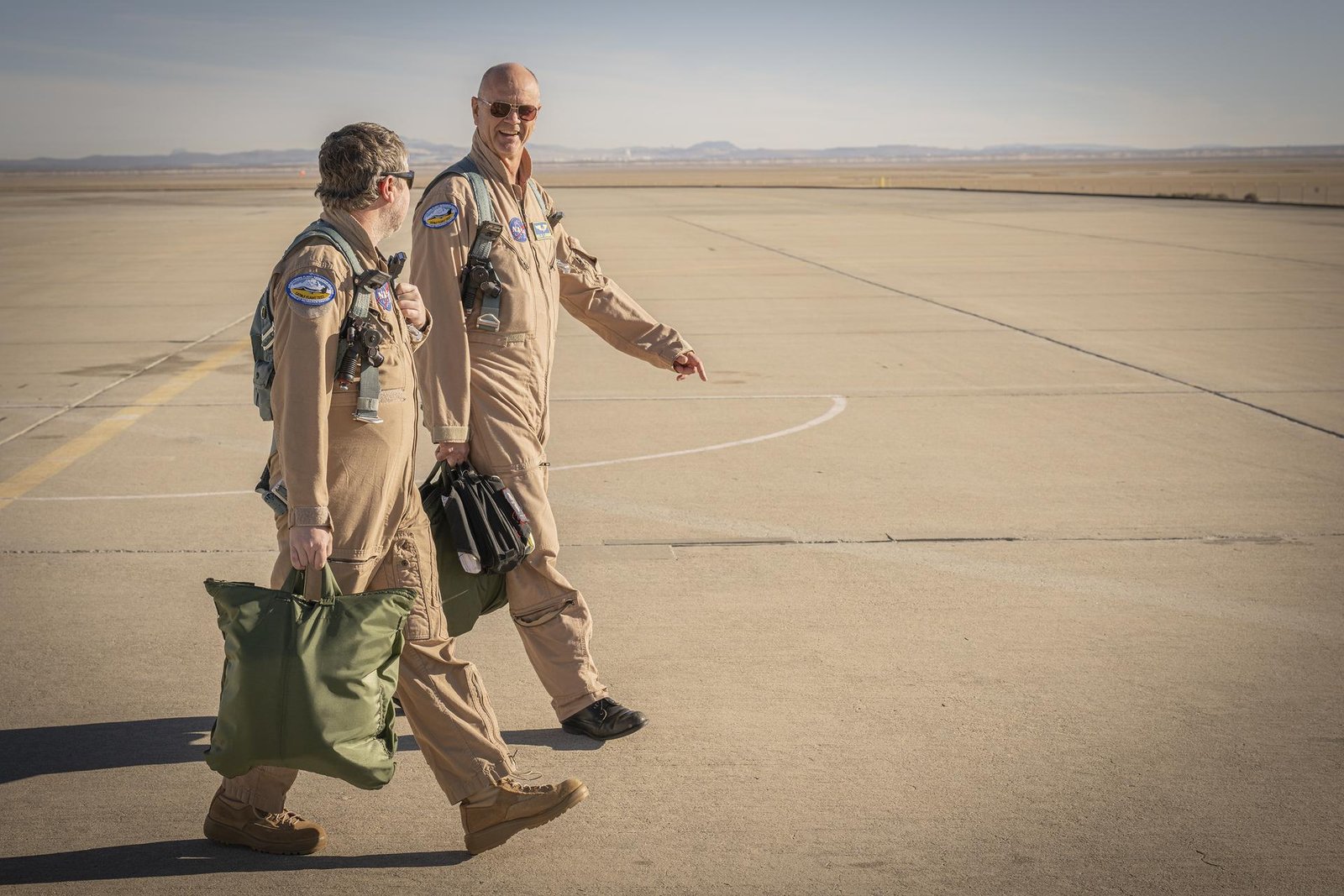
Researchers then head to the control room to perform day-of checks. This involves confirming that all communications, displays, and instruments function correctly. Simultaneously, pilots suit up in life support gear. This includes custom-fit pressure suits, harnesses, helmets, and masks. Any additional crew in the backseat also prepares for flight.
With the aircraft’s electrical systems checked, the pilot and crew chief sign off on the flight preparedness report. In the control room, teams prepare to monitor the upcoming flight through test cards that outline step-by-step procedures.
The moment arrives. The pilot and backseat crew member strap into their seats, double-check their gear, and complete preflight ground checks. They communicate with the control tower and taxi to the runway. After ensuring everything is functioning, the pilot accelerates down the runway. At the right speed, the aircraft lifts off, marking the beginning of the test phase.
Test Execution and Data Analysis
Once airborne, the pilot coordinates with air traffic control at Edwards Air Force Base and the NASA Armstrong control room. The aircraft navigates to a specified test area. Here, the team synchronizes with the pilot to dictate altitude, speed, and maneuvers.
The test conductor relays each specific task to the pilot, who meticulously completes them in order. Meanwhile, team members in the control room monitor every detail. They track the performance of the hardware, instruments, aircraft, and software throughout the flight. This real-time data collection is crucial for evaluating the effectiveness of the flight tests.
Upon completion of the test points, the pilot returns to base. After landing and taxiing to the ramp, the crew chief meets the aircraft. The pilot exits, and the aircraft is towed into the hangar for maintenance checks.
Back in the briefing room, the mission team, pilots, and mission control staff convene to capture lessons learned and discuss any follow-ups required. This debrief is vital; it ensures the team can refine their processes for future flights.
Data from the flight is downloaded for thorough analysis. If additional flights are scheduled, preparations begin immediately to maintain momentum. Every detail is crucial as teams work to push the boundaries of aviation technology.
Stay Ahead with the Latest Tech Trends
Stay informed on the revolutionary breakthroughs in Quantum Computing research.
Access comprehensive resources on technology by visiting Wikipedia.
Space
