
Close Menu
    Facebook X (Twitter) Instagram
    Thursday, July 2
    Top Stories:
    • Revolutionary Injection: Reverse Osteoarthritis in Weeks!
    • Revolutionary Brain Find Shakes Up Movement Disorder Research
    • Dinosaurs Unnested: Cracking a 70-Million-Year Mystery
    Facebook X (Twitter) Instagram Pinterest Vimeo
    IO Tribune
    • Home
    • AI
    • Tech
      • Gadgets
      • Fashion Tech
    • Crypto
    • Smart Cities
      • IOT
    • Science
      • Space
      • Quantum
    • OPED
    IO Tribune
    Home » Revolutionary Brain Find Shakes Up Movement Disorder Research
    Tech

    Revolutionary Brain Find Shakes Up Movement Disorder Research

    Lina Johnson MercilliBy Lina Johnson MercilliJuly 2, 2026No Comments2 Mins Read
    Share Facebook Twitter Pinterest LinkedIn Tumblr Reddit Telegram Email
    Share
    Facebook Twitter LinkedIn Pinterest Email

    Essential Insights

    1. New research questions the reliability of monitoring Purkinje cells in cerebellar diseases.
    2. Purkinje cells and deep nuclei cells don’t correlate as previously assumed.
    3. Understanding deep nuclei activity is crucial for treating movement disorders.
    4. Caution is advised in developing treatments targeting Purkinje cell activity alone.

    Rethinking the Cerebellum’s Role

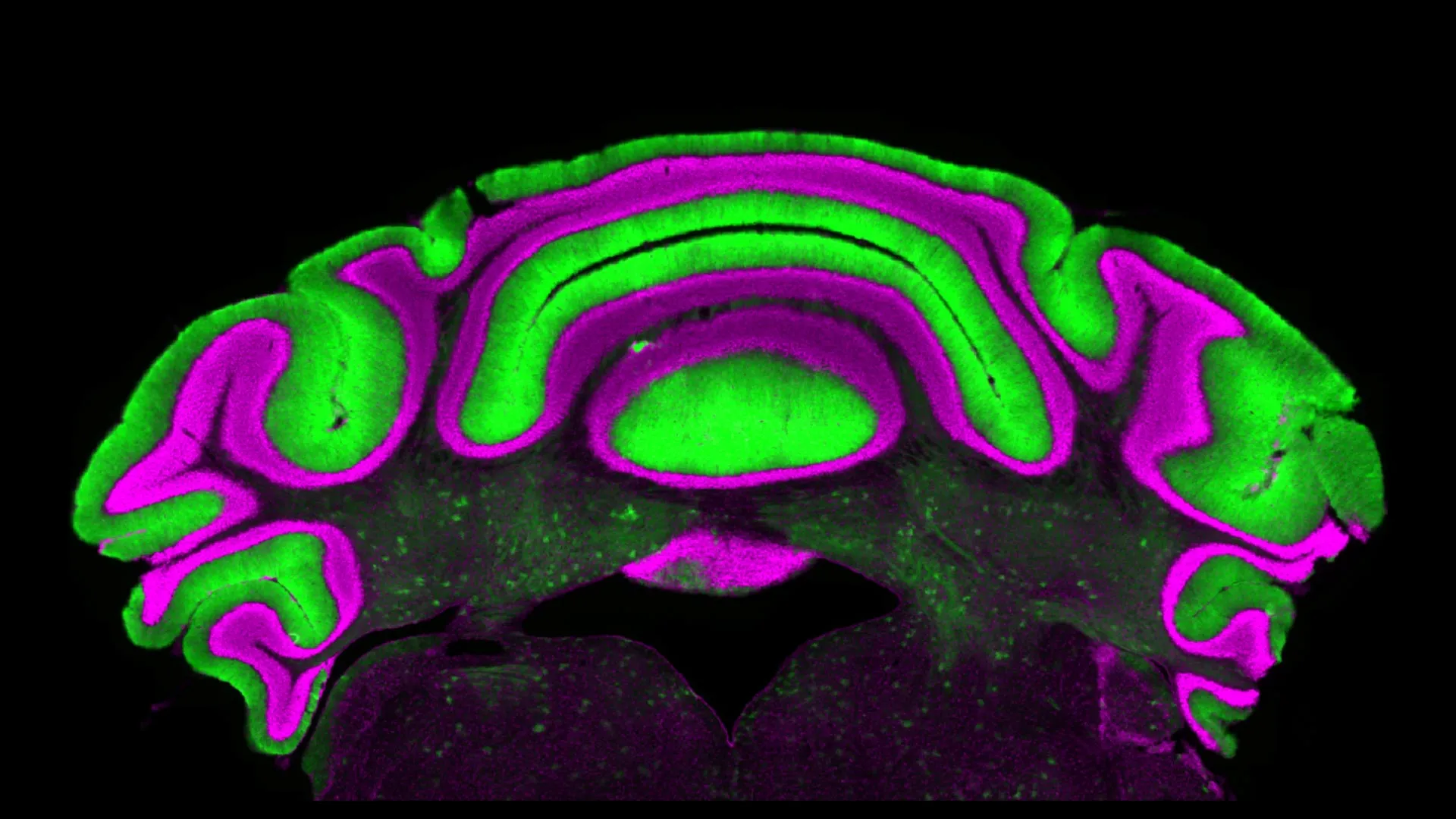
    Recent research from Virginia Tech’s Fralin Biomedical Research Institute challenges long-standing beliefs about how movement disorders affect the brain. For years, scientists focused on Purkinje cells, assuming their activity directly influences deep cerebellar nuclei cells. This assumption stemmed from the anatomical connection between these two cell types. However, Meike van der Heijden’s study raises critical questions. The findings show no consistent relationship between the activity of these cells, even though they interact closely in the cerebellum.

    Traditionally, scientists studied Purkinje cells because they are more accessible. They sit on the cerebellum’s surface, making them easier to observe. In contrast, deep nuclei cells lie deeper within the brain and present challenges for researchers. Many have relied on Purkinje cell activity as a proxy for understanding deep nuclei function. This research urges a shift in focus. To truly understand cerebellar disorders, scientists must prioritize studying the deep nuclei cells.

    Implications for Treatment and Research

    The implications of this discovery extend beyond basic science. Conditions like dystonia, ataxia, and tremor all originate from cerebellar dysfunction. These disorders cause painful muscle contractions and uncontrollable shaking. A deeper understanding of deep nuclei neurons can lead to more effective treatments. Researchers must exercise caution when relying solely on Purkinje cell activity. Treatment strategies focused exclusively on altering Purkinje cells may not yield the expected outcomes.

    Van der Heijden’s research serves as a reminder to question established assumptions. Scientists must test hypotheses and examine different angles. This approach will foster innovation in understanding and treating neurological conditions. Progress in this field will require a commitment to exploring the complexities of the brain rather than oversimplifying them. Embracing these unexpected findings will revolutionize the landscape of movement disorder research.

    Discover More Technology Insights

    Learn how the Internet of Things (IoT) is transforming everyday life.

    Discover archived knowledge and digital history on the Internet Archive.

    TechV1

    Innovation Management Tech technology VT1
    Share. Facebook Twitter Pinterest LinkedIn Tumblr Email
    Previous ArticleUK Investors Sue Binance CEO for $200M
    Next Article Unveiling the Hidden Simplicity of Powerful ML — Part 2
    Avatar photo
    Lina Johnson Mercilli
    • Website

    Lina Johnson Marcelli is the editor for IO Tribune, bringing over two decades of experience in journalism to her role. With a BA in Journalism, she is passionate about delivering impactful stories that resonate with readers. Known for her keen editorial vision and leadership, Lina is dedicated to fostering innovative storytelling across the publication. Outside of work, she enjoys exploring new media trends and mentoring aspiring journalists.

    Related Posts

    Quantum

    MIT Physicists Discover Exotic Quantum Matter

    July 2, 2026
    Tech

    Revolutionary Injection: Reverse Osteoarthritis in Weeks!

    July 2, 2026
    IOT

    Tele2 IoT & Lenovo Connect Drive Global IoT Expansion

    July 2, 2026
    Add A Comment

    Comments are closed.

    Must Read

    MIT Physicists Discover Exotic Quantum Matter

    July 2, 2026

    Revolutionary Injection: Reverse Osteoarthritis in Weeks!

    July 2, 2026

    Tele2 IoT & Lenovo Connect Drive Global IoT Expansion

    July 2, 2026

    Unveiling the Hidden Simplicity of Powerful ML — Part 2

    July 2, 2026

    Revolutionary Brain Find Shakes Up Movement Disorder Research

    July 2, 2026
    Categories
    • AI
    • Crypto
    • Fashion Tech
    • Gadgets
    • IOT
    • OPED
    • Quantum
    • Science
    • Smart Cities
    • Space
    • Tech
    Most Popular

    Solar-Powered Remotes: The Future of Google TV

    November 19, 2025

    Cities Turn to Sewage to Solve Water Scarcity Crisis

    June 9, 2025

    Motorola’s Edge: Revolutionizing Android’s MagSafe at a Better Price!

    July 1, 2026
    Our Picks

    Navigating Two Decades of Cosmic Connectivity

    May 28, 2026

    BTC’s Critical Level: Keys to Reversing the Bearish Trend

    March 23, 2026

    UStrive Security Breach: Personal Data of Users, Including Children, Exposed

    January 20, 2026
    Categories
    • AI
    • Crypto
    • Fashion Tech
    • Gadgets
    • IOT
    • OPED
    • Quantum
    • Science
    • Smart Cities
    • Space
    • Tech
    • Privacy Policy
    • Disclaimer
    • Terms and Conditions
    • About Us
    • Contact us
    Copyright © 2025 Iotribune.comAll Rights Reserved.

    Type above and press Enter to search. Press Esc to cancel.