

Essential Insights
- New research questions the reliability of monitoring Purkinje cells in cerebellar diseases.
- Purkinje cells and deep nuclei cells don’t correlate as previously assumed.
- Understanding deep nuclei activity is crucial for treating movement disorders.
- Caution is advised in developing treatments targeting Purkinje cell activity alone.
Rethinking the Cerebellum’s Role
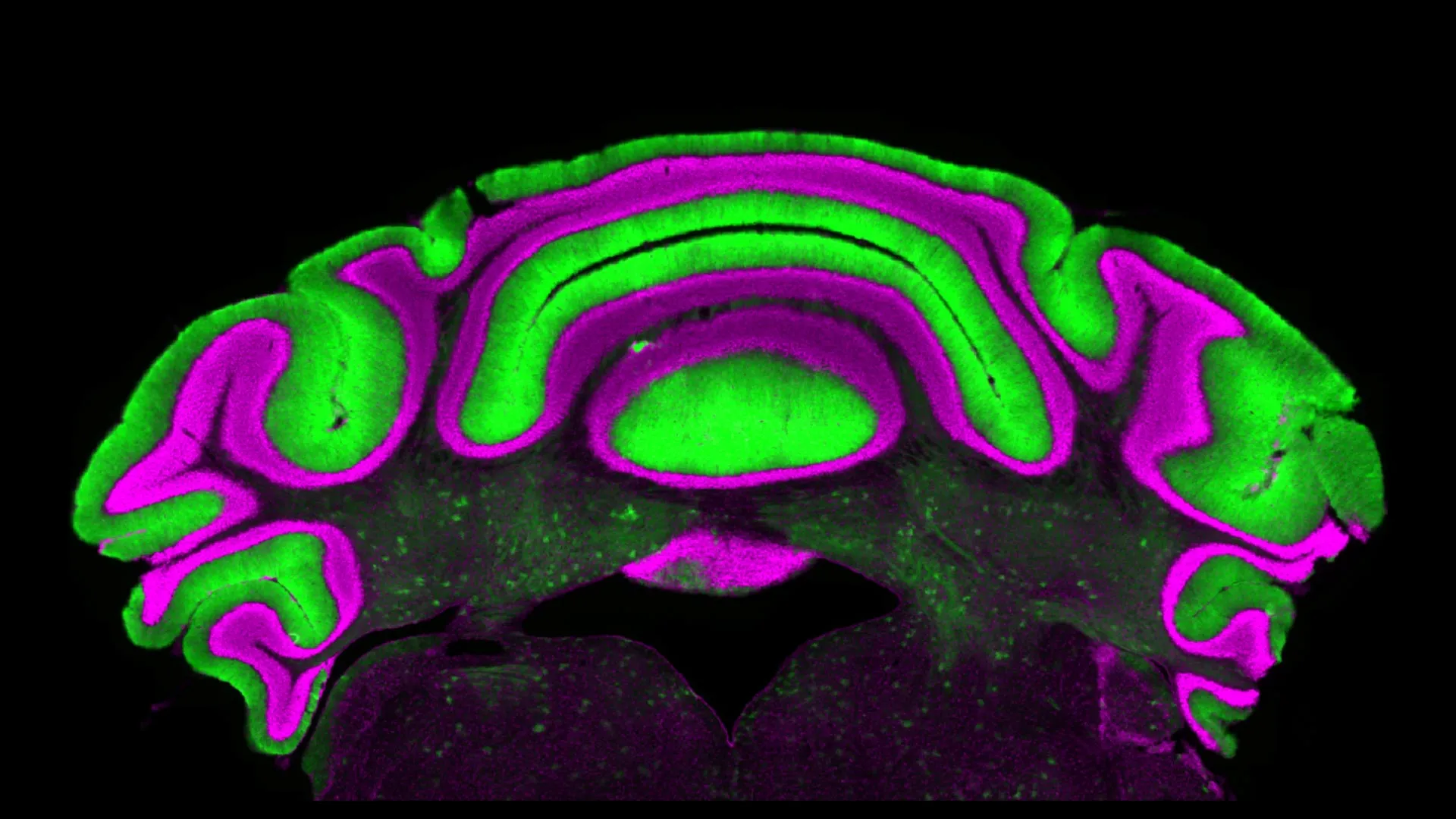
Recent research from Virginia Tech’s Fralin Biomedical Research Institute challenges long-standing beliefs about how movement disorders affect the brain. For years, scientists focused on Purkinje cells, assuming their activity directly influences deep cerebellar nuclei cells. This assumption stemmed from the anatomical connection between these two cell types. However, Meike van der Heijden’s study raises critical questions. The findings show no consistent relationship between the activity of these cells, even though they interact closely in the cerebellum.
Traditionally, scientists studied Purkinje cells because they are more accessible. They sit on the cerebellum’s surface, making them easier to observe. In contrast, deep nuclei cells lie deeper within the brain and present challenges for researchers. Many have relied on Purkinje cell activity as a proxy for understanding deep nuclei function. This research urges a shift in focus. To truly understand cerebellar disorders, scientists must prioritize studying the deep nuclei cells.
Implications for Treatment and Research
The implications of this discovery extend beyond basic science. Conditions like dystonia, ataxia, and tremor all originate from cerebellar dysfunction. These disorders cause painful muscle contractions and uncontrollable shaking. A deeper understanding of deep nuclei neurons can lead to more effective treatments. Researchers must exercise caution when relying solely on Purkinje cell activity. Treatment strategies focused exclusively on altering Purkinje cells may not yield the expected outcomes.
Van der Heijden’s research serves as a reminder to question established assumptions. Scientists must test hypotheses and examine different angles. This approach will foster innovation in understanding and treating neurological conditions. Progress in this field will require a commitment to exploring the complexities of the brain rather than oversimplifying them. Embracing these unexpected findings will revolutionize the landscape of movement disorder research.
Discover More Technology Insights
Learn how the Internet of Things (IoT) is transforming everyday life.
Discover archived knowledge and digital history on the Internet Archive.
TechV1
