

Summary Points
- Andy Walker highlights Stario Launcher as the most beautiful Android launcher he’s encountered, emphasizing its aesthetic appeal and unique design, blending Google’s Material design with custom elements.
- The launcher offers a minimalist yet highly functional experience, featuring automatic app categorization, a comprehensive search system, a built-in RSS reader, and customizable widget pages.
- Despite its strengths, Stario Launcher is now discontinued due to Google’s upcoming policies that restrict third-party app installations, leading to concerns about the future of such apps on Android.
- Walker warns that Google’s policy changes threaten the survival of third-party launchers and apps, suggesting that Stario’s demise symbolizes broader challenges facing developers and users amid increasing platform restrictions.
The Rise and Beauty of Stario Launcher
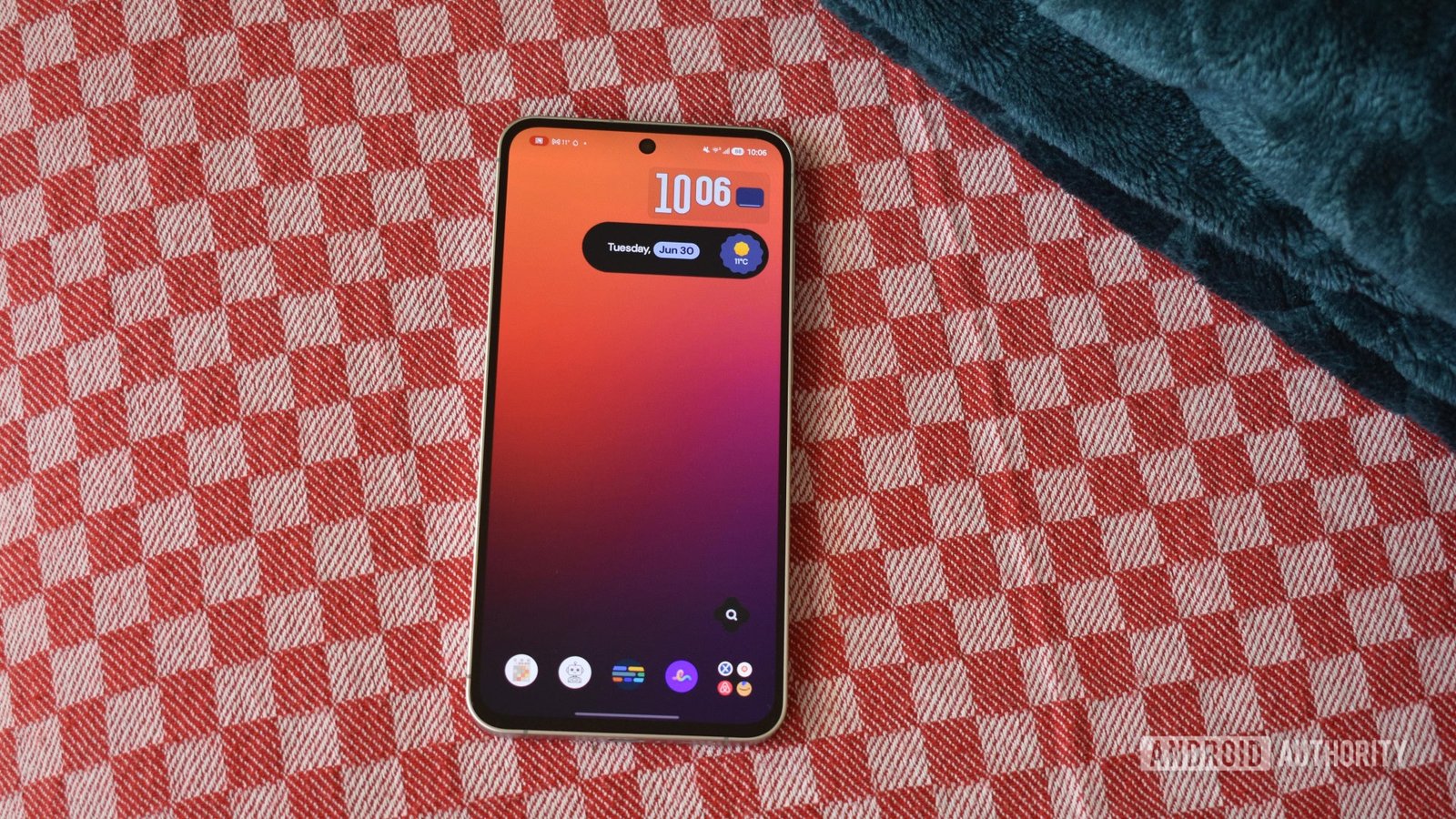
Stario Launcher was a hidden gem in the Android world. It launched quietly in 2024 and quickly earned admiration. What made it special? Its stunning design. It combined sleek animations, custom widgets, and smart organization tools. Unlike many launchers, it focused heavily on aesthetics. Its clean, Material Expressive look made Pixel phones feel even more personalized.
At first glance, the home screen was minimal but powerful. It featured a clock, weather, media controls, and a quick search shortcut. Swiping up revealed automatic app categories, making navigation smooth. While it sometimes struggled with sorting apps correctly, users could manually recategorize them. This system offered both order and flexibility. The inclusion of a built-in RSS reader and widget page added unique value. These features made Stario stand out among its competitors.
Though not perfect, it showcased what a launcher can achieve: beauty, speed, and usability. Its thoughtful layout made it appealing for users tired of cluttered interfaces. Yet, despite all these positive aspects, the future of Stario vanished unexpectedly. A sense of disappointment lingers, but the project’s brilliance remains a testament to innovative design in Android customization.
The Impact of Google’s Policies on Third-Party Apps
Behind the scenes, something drastic ended Stario’s journey. Google announced policy changes scheduled for September 2026. These updates aim to tighten app verification and restrict the installation of unofficial apps. For developers, these rules threaten their independence and creativity. Stario’s creator explained that these shifts remove motivation to continue updating the launcher.
The new rules require developers to verify with Google and limit sideloading apps. This complicates installations of non-Play Store apps. For hobbyist developers or small teams, this means more work and less freedom. As a result, beloved third-party apps, including launchers, might fade away quickly. Many other apps, from news feeds to YouTube alternatives, already face similar challenges. The landscape is shifting toward a more controlled ecosystem, making it harder for developers and users to enjoy customized experiences.
Google’s policy changes aim for security and safety, but they also threaten the diversity and innovation within Android. For many enthusiasts, this feels like a shutdown of choice and creativity. In the end, these restrictions risk creating a more uniform, less expressive platform. The community’s hope now rests on whether developers will find ways to adapt or if innovation will be stifled altogether.
Balancing Innovation with Control
Stario Launcher’s story highlights a broader issue: the balance between innovation and control. The launcher’s beautiful design and feature set demonstrated what developers can achieve on Android. It provided a fast, organized, and visually pleasing environment. Users appreciated its minimalism, customization, and added tools like the briefing page and widget area.
However, the new policies threaten to curtail such creativity. Restrictive rules could discourage small developers from experimenting or maintaining niche apps. Consequently, the Android ecosystem might become more homogenous, with fewer options for personalization. For users, especially those with older or secondary devices, losing options like Stario could diminish the user experience significantly.
This situation prompts reflection on how to foster innovation while ensuring security. While Google’s goals are understandable, excessive restrictions may backfire. Encouraging open development and supporting small creators could lead to a richer, more diverse Android experience. Ultimately, the hope lies in finding a balance: protecting users without suffocating innovation. As the community reflects on Stario’s unrealized potential, many look forward to a future where bold ideas can thrive again within the Android universe.
Discover More Technology Insights
Stay informed on the revolutionary breakthroughs in Quantum Computing research.
Stay inspired by the vast knowledge available on Wikipedia.
CellphonesV1
