

Top Highlights
-
Innovative Sound Design: Oscar-winning sound editors Ethan Van der Ryn and Erik Aadahl crafted a unique non-human language for the alien character Rocky, drawing on a mix of organic instruments to reflect its personality and emotions.
-
Scientific Fidelity: Collaborating closely with author Andy Weir, the team balanced realism with entertaining soundscapes, ensuring that sound in space served a narrative purpose rather than mimicking typical sci-fi conventions.
-
Experimental Process: Creating Rocky’s voice involved extensive trial and error, utilizing various natural sounds—from whale songs to bird calls—while experimenting with instruments like the ocarina and blocks of granite for unique timbres.
-
Emotional Impact: The sound design aimed to convey Rocky’s intelligence and feelings, leading to a rich auditory tapestry that resonated deeply with audiences, enhancing the overall connection to the film.
Sound of the Cosmos: Unveiling Rocky’s Voice in “Project Hail Mary”
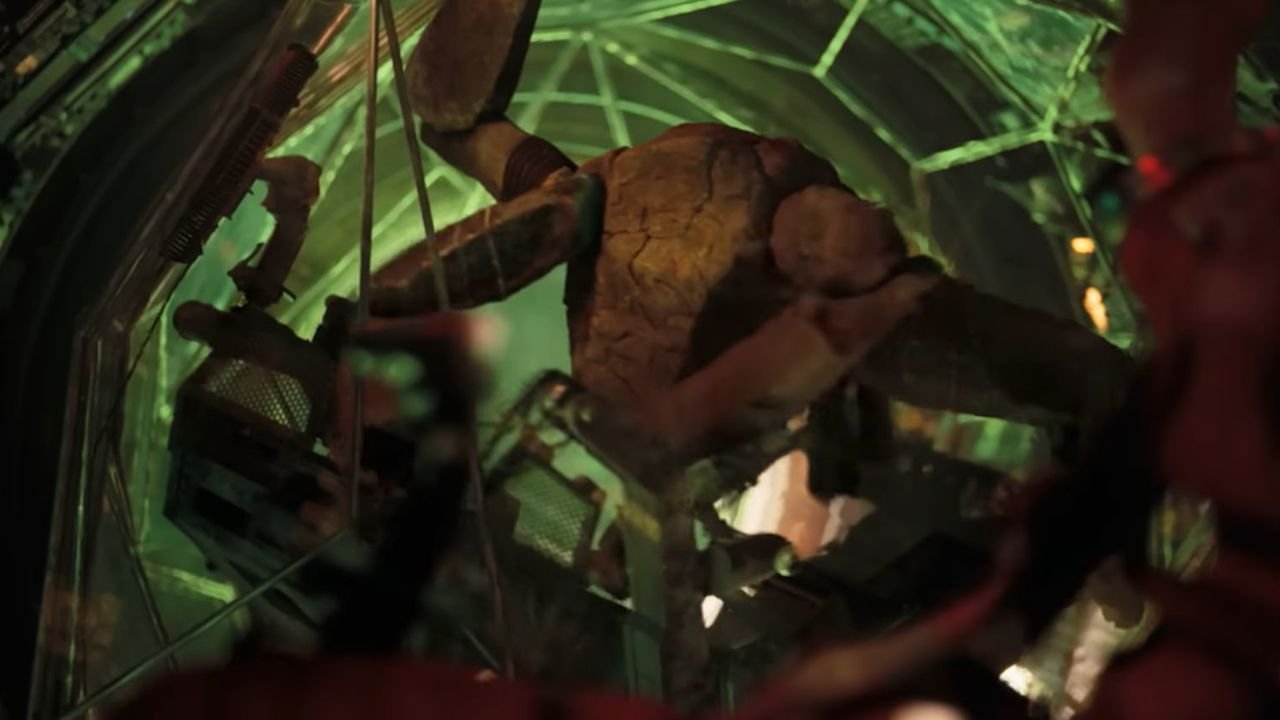
What do aliens sound like? In “Project Hail Mary,” that question shaped the film’s unique sound design. To create the voice of Rocky, the alien character, sound designers drew inspiration from unexpected sources: animal sounds.
Oscar-winning sound editor Ethan Van der Ryn and Oscar-nominated Erik Aadahl led the charge. They aimed to craft a compelling, non-human language for the E.T. creature who interacts with astronaut Ryland Grace, played by Ryan Gosling. This connection was vital for the film’s emotional depth.
Collaboration Sparks Creativity
The team brainstormed with author Andy Weir, who encouraged them to think beyond traditional space sound. “To be faithful to the science,” Aadahl explained, “we wanted sound to enhance the story.” Thus, sound in space became a creative choice, supporting the film’s dramatic elements.
Van der Ryn stressed the importance of exploring Rocky’s voice. They crafted numerous sounds, identifying the moments when realism could blend with creativity. Their goal was to capture Rocky’s essence, making him relatable despite being an alien.
A Symphony of Inputs
The sound designers experimented with various instruments. They ultimately decided on the ocarina, a wind instrument that provides an organic, expressive tone. With high-resolution recordings, they manipulated sounds like whale songs and bird calls to represent Rocky’s emotional spectrum.
Interestingly, Rocky’s own name echoes a type of thrush called a solitaire bird. The team cleverly integrated these elements, along with sounds of hippos and frogs, to create a rich vocal tapestry.
Innovative Techniques and Emotional Connection
Sound became a vital storytelling tool. Aadahl mentioned tracking Rocky’s agitated sounds, which mirrored a whale’s rasp. This attention to detail highlighted his emotional journey. Through this process, they also resonated sounds with granite blocks, adding a layer of depth that rooted Rocky’s voice in the physical world.
“The whole process is about experimentation,” Aadahl said. “Finding what resonates and captures the spirit of Rocky was our driving force.”
As audiences enjoy “Project Hail Mary,” it’s clear that sound played a critical role in crafting both the alien’s character and the film’s overall experience. The impressive blend of science and art showcases how imagination can lead to technological advancements in filmmaking while enriching viewers’ emotional connections to story and character.
“Project Hail Mary” is currently captivating audiences in theaters, inviting them to wonder what alien life might sound like.
Continue Your Tech Journey
Dive deeper into the world of Cryptocurrency and its impact on global finance.
Stay inspired by the vast knowledge available on Wikipedia.
SciV1
