

Summary Points
- NASA transferred 105 acres of land to the Patuxent Research Refuge.
- The area is now the largest unfragmented forest between Washington and Baltimore.
- Area 400 was previously used for propellant research since the 1960s.
- The transfer supports conservation efforts and outdoor recreational opportunities.
Transfer of NASA’s Hundred Acre Wood to Patuxent Research Refuge
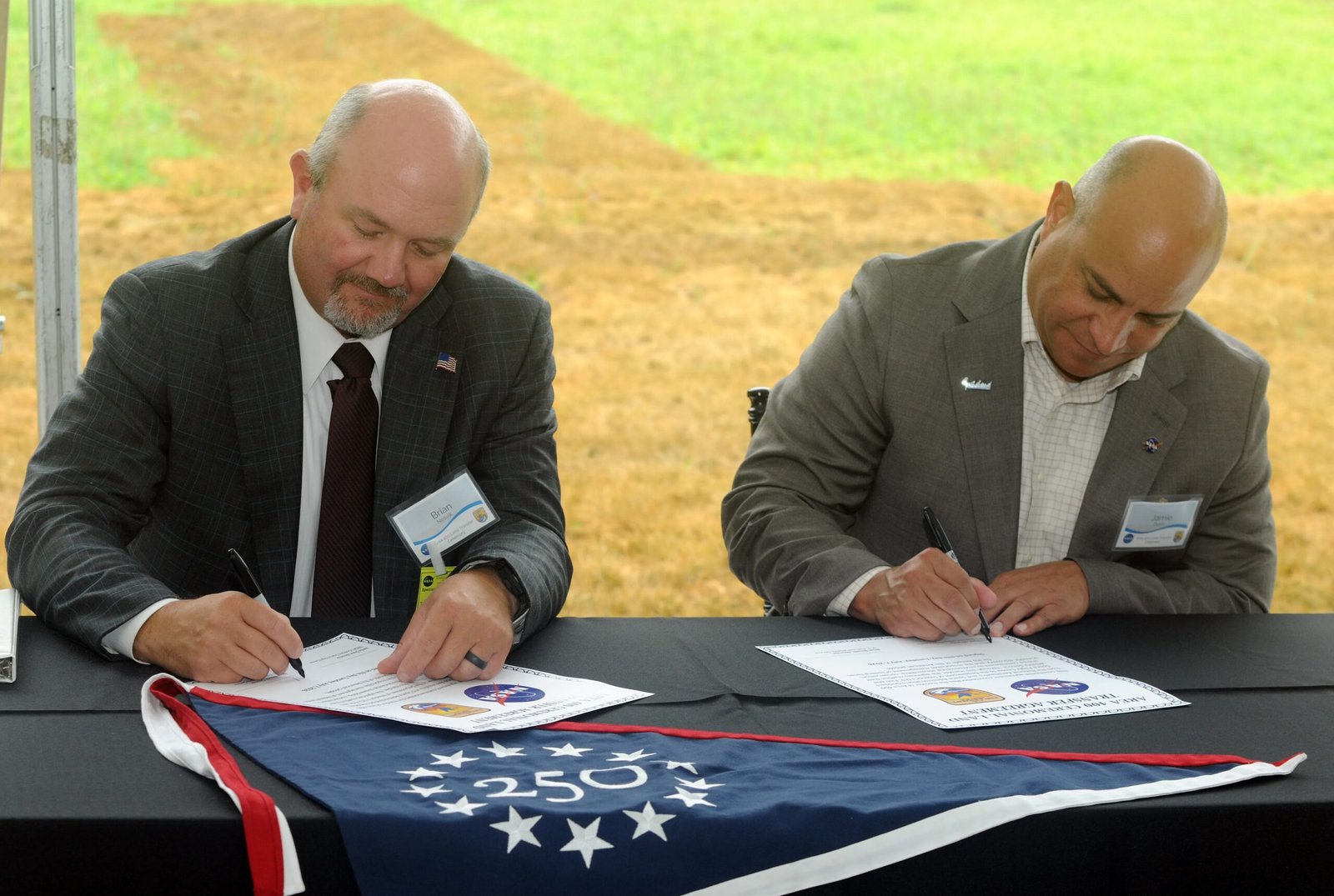
On a recent Tuesday, NASA ceremonially transferred approximately 105 acres of wooded land from its Goddard Space Flight Center in Greenbelt, Maryland, to the adjoining Patuxent Research Refuge. This move underscores a commitment to conservation and a future-oriented perspective on land use. The area, previously known as Area 400, now becomes part of the largest unfragmented forest region between Washington, D.C., and Baltimore. The Patuxent Research Refuge is unique as the nation’s sole sanctuary dedicated exclusively to wildlife research.
For over six decades, NASA Goddard has contributed significantly to our understanding of the Earth. Jamie Dunn, the center’s director, emphasized the excitement around this transfer. He expressed that NASA is pleased to hand over the property to the U.S. Fish and Wildlife Service (USFWS). This agency plays a critical role in conservation efforts, ensuring that vital ecosystems are preserved for future generations.
The significance of this land lies not only in its ecological value. The nearly 13,000-acre refuge also provides numerous recreational opportunities. It supports activities such as walking, biking, horseback riding, fishing, and hunting, making it a resource for the community. The decision to transfer Area 400 aligns with a growing recognition of the need to balance technological advancement with environmental stewardship.
A History of Propellant Research and Future Prospects
NASA had utilized Area 400 for propellant research since the 1960s. As advancements in technology progressed, much of that research shifted to other facilities or commercial entities. The land had long been a candidate for divestment. Discussions between NASA and the USFWS commenced in 2021, highlighting a collaborative approach to land use and conservation.
Before the transfer, Area 400 was primarily wooded, with only a small clearing that housed 11 structures. NASA has now completed its final activities on the site, including deconstructing buildings and removing utility services. USFWS Director Brian Nesvik noted that collaborating with partners like NASA on land use exemplifies how conservation can expand recreational opportunities. This partnership signals a forward-thinking strategy to maintain America’s natural beauty while meeting the needs of local communities.
The ownership transfer not only represents a shift in land management but also serves as a model for how governmental agencies can work together to balance technological progress with ecological responsibility. As environmental concerns take center stage, such initiatives play a crucial role in aligning public resource management with sustainable practices.
Stay Ahead with the Latest Tech Trends
Explore the future of technology with our detailed insights on Artificial Intelligence.
Explore past and present digital transformations on the Internet Archive.
Space
