

Essential Insights
- New York State is the first to ban smart glasses in all courts to prevent surreptitious recordings and protect court proceedings.
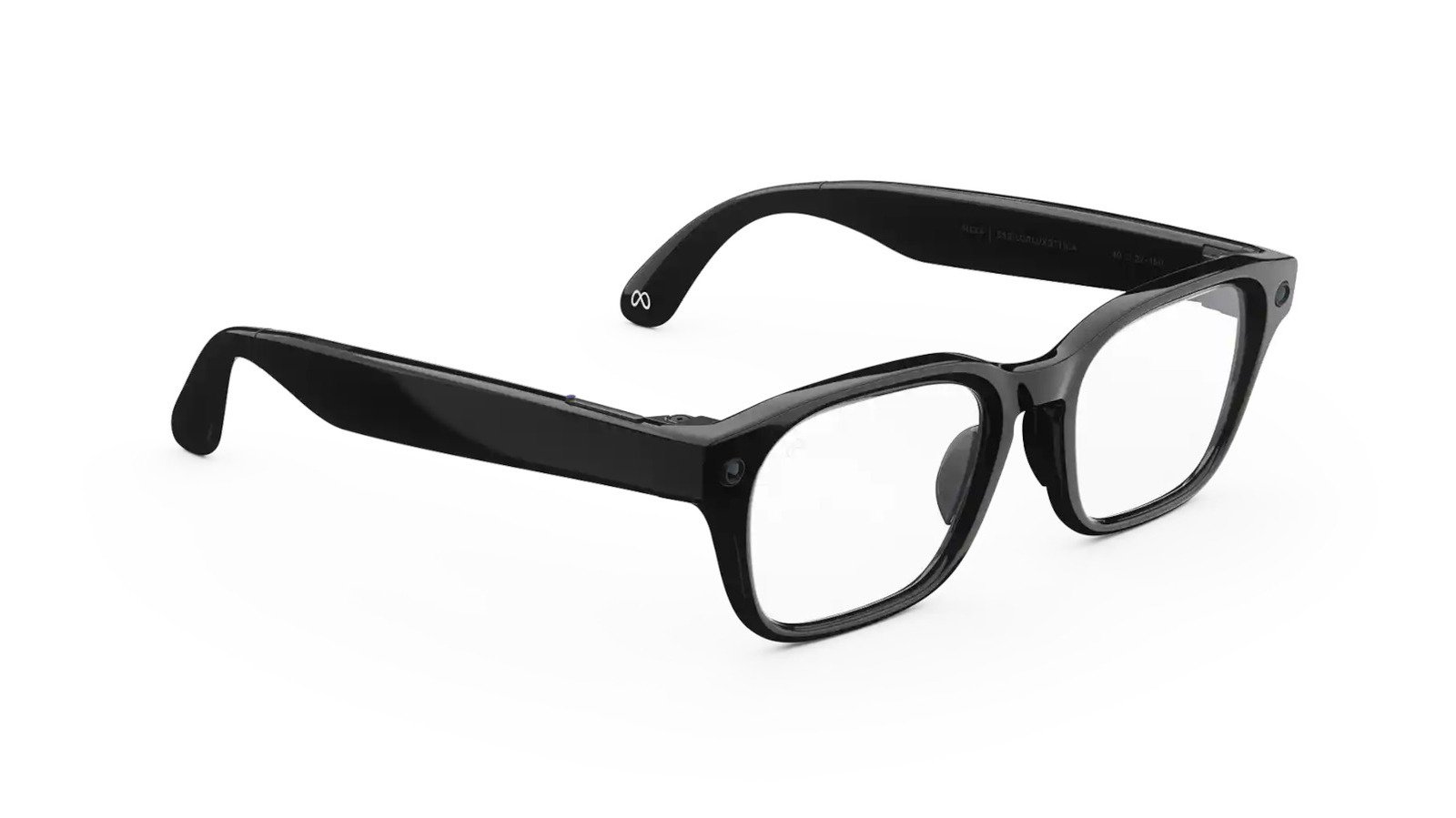
- The blanket ban includes all types of smart glasses with cameras or microphones, even prescription lenses, requiring users to bring regular glasses.
- The ban aims to uphold court rules against unauthorized recording, addressing concerns raised during notable incidents like Mark Zuckerberg’s courtroom appearance.
- Enforcement involves confiscating smart glasses at court entrances, with additional restrictions appearing across other industries due to privacy and security concerns.
New York Takes a Stand to Protect Courtroom Privacy
Starting July 20, all courts in New York will ban smart glasses inside their buildings. This decision covers every courthouse in the state, including city, county, town, and village courts. The move aims to prevent secretly recording court proceedings, which could affect the fairness of trials. Signs posted outside courthouses inform visitors about the new rules. The ban applies to all types of eyewear with cameras and microphones, including those with prescription lenses. Court officials want to ensure courtrooms remain witness to honest, transparent processes. This comprehensive ban shows New York’s commitment to safeguarding privacy and maintaining courtroom integrity.
Smart glasses might seem innovative and useful, especially for people who need vision correction. However, their built-in cameras can pose risks. They might be used to record sensitive court discussions without permission. The law emphasizes that recording is generally not allowed in court, but smart glasses make it easier to do so covertly. The ban aims to prevent any sneaky recordings that could unfairly influence legal proceedings. By requiring people to remove such devices, the court system hopes to create a more secure environment for all involved.
Even with features designed to prevent recording—like lights that turn on when taking videos—smart glasses can still be manipulated. Some users modify their devices or disable security indicators, which makes enforcing restrictions difficult. The 2022 incident involving Meta Ray-Ban glasses worn by a high-profile figure highlighted how these devices could threaten the privacy of courtrooms. This cautious step by New York reflects a broader effort to regulate emerging technology and protect the justice system from misuse.
Enforcement and Broader Impact on Technology Use
To enforce the ban, court officials will collect smart glasses from visitors before they enter. This rule applies to everyone, including lawyers, staff, or visitors. Court officers will provide a safe place to store these devices, ensuring they are not brought into courtrooms. The strict enforcement measures point to New York’s serious commitment to privacy. They want to eliminate any possibility of covert recording, even if it means temporarily inconveniencing some users.
Other places are also considering restrictions on smart glasses. For example, cruise lines have banned their use in specific areas, like medical or recreational zones. Some lawmakers look at adding smart glasses to the list of prohibited devices for drivers to prevent distracted driving. As awareness about privacy concerns increases, more organizations and regions might adopt similar rules. These measures reflect a balance between embracing technological innovation and safeguarding personal privacy.
Despite these restrictions, smart glasses offer notable benefits. They allow hands-free access to information, help with navigation, or improve accessibility for users. Companies continue to develop smarter, safer devices with privacy features, such as disabling cameras when needed. As technology advances, future models could better balance utility with privacy, reducing the need for outright bans. Yet, current concerns about covert recording in sensitive environments like courtrooms prompt strict measures to protect the legal process.
Striking a Balance Between Innovation and Privacy
The move by New York underscores the importance of trust in public institutions. While smart glasses may bring advantages—such as quick access to data, easy recording, and improved communication—the risks pose challenges. Privacy advocates emphasize the need to control how these devices are used, particularly in environments where confidentiality matters most. The challenge for manufacturers and users is to develop safer devices that respect boundaries and prevent misuse.
Innovation often pushes boundaries, but safety and privacy measures must accompany new technology. Companies are responding by adding features that disable cameras or detect tampering, aiming to prevent unauthorized recordings. Meanwhile, regulators like New York set rules that prioritize privacy, especially in sensitive settings like courts. These actions encourage responsible use of technology, ensuring it benefits society without infringing on individual rights.
Ultimately, the expanding restrictions on smart glasses reflect a broader conversation about technology’s role in daily life. Both developers and users must consider privacy, security, and ethics. The goal is to create devices that enhance our lives while respecting laws and personal boundaries. As New York leads the way with its comprehensive ban, other regions will likely watch closely and consider similar steps. This cautious approach highlights the ongoing effort to find the right balance between the advantages of innovation and the need to protect privacy.
Expand Your Tech Knowledge
Learn how the Internet of Things (IoT) is transforming everyday life.
Stay inspired by the vast knowledge available on Wikipedia.
CellphonesV1
