

Essential Insights
- The FCC fined eight companies $25,000 for ignoring regulatory inquiries about DJI.
- DJI faces scrutiny for possible connections with these “front companies.”
- The FCC banned foreign drone companies due to national security concerns.
- The FCC may disqualify test labs linked to DJI’s certification processes.
FCC Takes a Stand Against Foreign Drone Tech
The Federal Communications Commission (FCC) is cracking down on companies allegedly masking the true origins of DJI products in the U.S. market. Last year, reports surfaced about Xtra and Skyrover, two companies many believed to be fronts for DJI, enabling it to sidestep the foreign drone ban. The ban stems from national security concerns, and the FCC added all foreign drone companies to its Covered List, banning them from receiving authorizations for radio frequency use in the U.S. This situation escalated to a pivotal moment when the FCC fined eight companies $25,000 each for failing to respond to inquiries about their products.
The FCC granted these companies until July 20 to address its inquiries. Among those fined are Cogito Tech, Fixaxo Technology, and SZ Knowact, the parent company of Skyrover. The clock is ticking, and the lack of transparency raises serious questions. It hints at whether these companies operate independently or serve as mere conduits for DJI products.
The scrutiny extends beyond mere compliance. The FCC recently declared it will retroactively ban items already approved if they incorporate components from any banned company. This broad authority means even a camera containing a DJI transmitter could face prohibition. No companies have yet responded to the FCC’s queries, a quiet defense that might signal deeper issues within their operations.
Implications for Consumers and the Market
As the crackdown unfolds, it may disrupt the market for drone enthusiasts and professionals. DJI’s products are popular for their quality and practicality. The potential absence of these products could create challenges for those who count on reliable technology for various applications—from filmmaking to surveying. Companies like Xtra seem to capitalize on a growing consumer base eager for alternatives to DJI but at what cost?
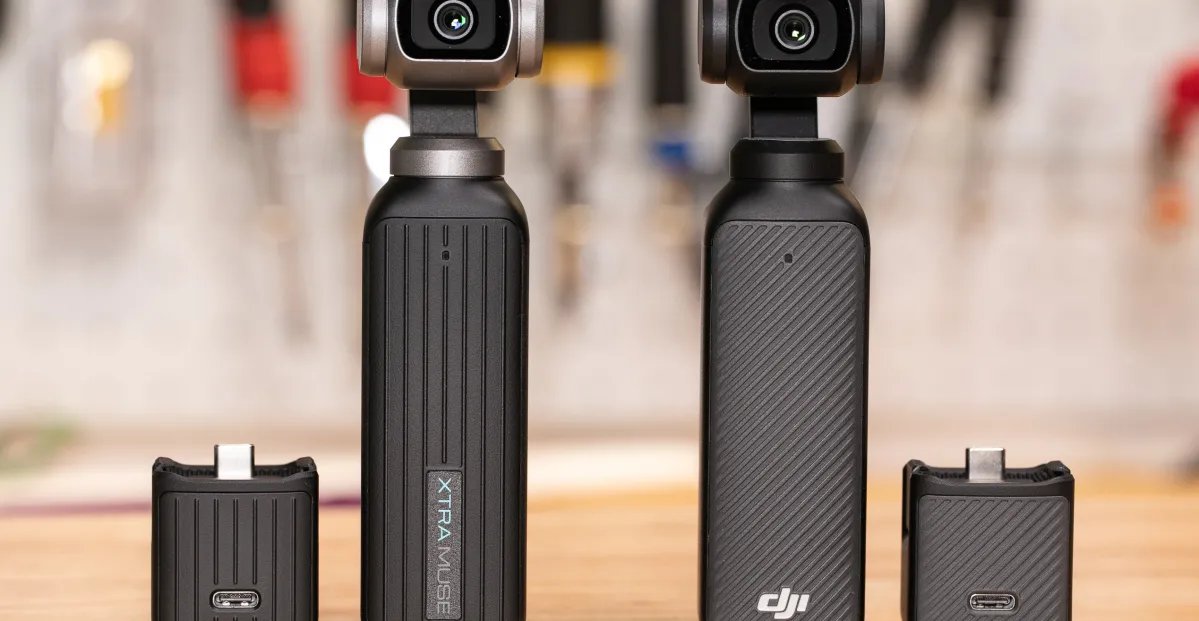
Xtra’s aggressive marketing tactics and close resemblance of its products to DJI devices have not gone unnoticed. The Xtra Muse, for example, closely mirrors the DJI Osmo Pocket 3, eliminating the line between imitation and authentic branding. Consumers might gravitate toward these alternatives, believing they are making wise purchases. Yet, they may unknowingly support a market that ultimately undermines national security protocols.
The FCC’s investigation also emphasizes the importance of accountability in technology. Collaborative efforts between U.S. regulatory agencies and private companies should prioritize securing the marketplace against foreign adversaries. Whether this crackdown will deter other companies from similar practices remains uncertain, but the potential ramifications of ignoring these regulations could affect consumer trust and the industry’s future landscape.
The path ahead appears challenging for companies and consumers alike. Balancing innovation with security will require vigilance and cooperation on all sides. The FCC’s recent actions serve as a reminder: while technology can foster progress, it must do so responsibly and transparently.
Expand Your Tech Knowledge
Explore the future of technology with our detailed insights on Artificial Intelligence.
Discover archived knowledge and digital history on the Internet Archive.
TechV1
