

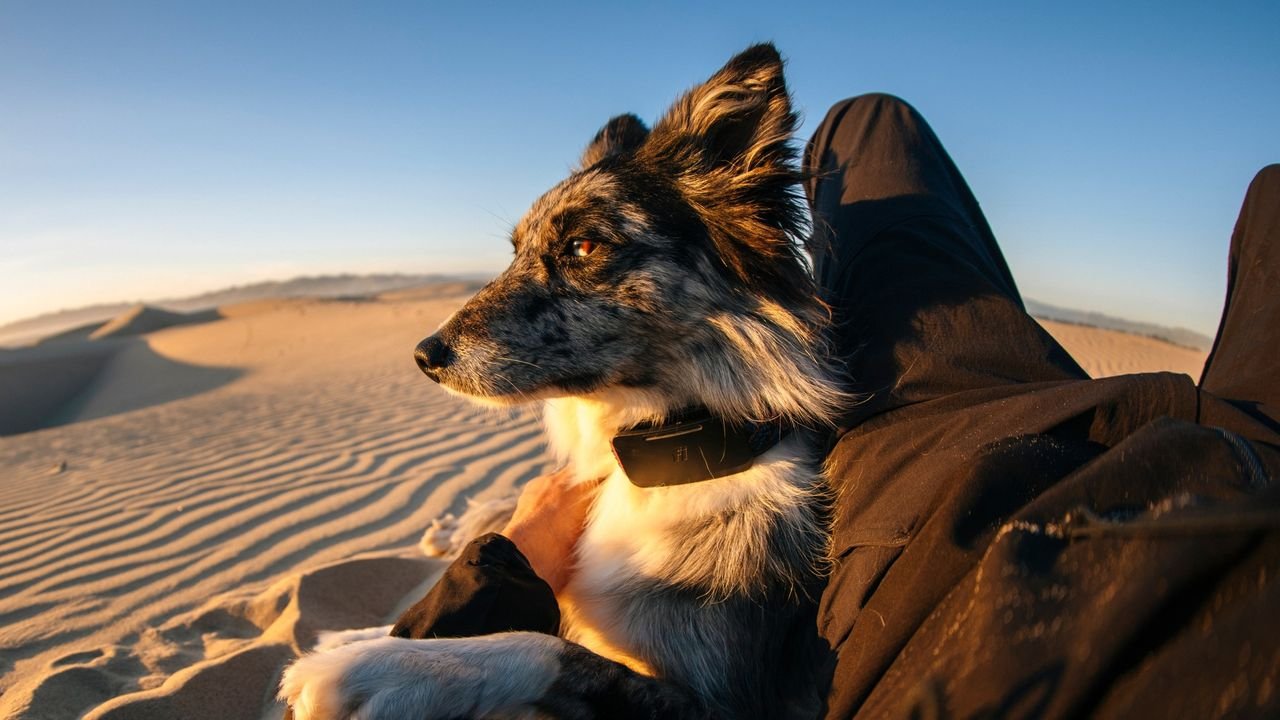
Top Highlights
- Jonathan Bensamoun developed a satellite-connected dog tracking device for remote areas.
- Fi’s new collar uses Starlink satellites to ensure reliable connectivity everywhere.
- Owners receive alerts if dogs leave designated zones; battery lasts several days.
- Vibrational signals help train dogs to return home when lost or wandering.
### The Challenge of Tracking Pets in Remote Areas
Imagine hiking in a remote area when your dog suddenly sprints off after a scent. You call and whistle, but your beloved pet seems lost. Traditional GPS collars may fail in these situations, especially where there is no cellular service. This common problem drove Jonathan Bensamoun, founder of dog tracking company Fi, to innovate.
Fi has been a leader in GPS dog trackers since 2017. Bensamoun’s journey started when he adopted a German Shepherd named Thor. He wanted to ensure that his hired dog walker was taking Thor on appropriate routes. However, as Fi grew, customers frequently expressed concerns. Many lived where cellular coverage is unreliable, creating anxiety about their pets’ safety.
The advent of SpaceX’s Starlink project provided a timely solution. Starlink satellites can give direct internet access, even in the most remote areas. On July 8, the world saw the launch of the first satellite-connected dog tracking service, effectively addressing customers’ worries.
### How the Fi Ultra Dog Collar Works
The device operates using a combination of GPS technology and satellite connectivity. It has a GPS receiver to determine the dog’s location in real time, paired with a battery-powered modem. This modem connects to T-Mobile’s network and, when cell towers are out of reach, links to a Starlink satellite, ensuring a continuous connection.
Dog owners can set a geofence around their pets. This virtual boundary alerts owners when their dog strays outside of a designated area. For example, if a dog escapes the backyard, an immediate notification is sent to the owner’s smartphone.
Battery life is another strong point for the Fi Ultra GPS tracker; it lasts multiple days. This extended lifespan gives owners ample time to locate their pets. To further aid in retrieval, the collar allows owners to send vibrations or sounds to their dogs. These signals can be trained as cues, helping pets learn to return when called.
GPS technology for pets has come a long way since its earliest uses in monitoring endangered wildlife. Today, approximately 11 million dogs globally are tracked using some form of GPS technology. The Fi Ultra Direct-to-Cell tracker offers a major advancement by providing nearly continuous connectivity. This new collar exemplifies how technology can foster stronger bonds between pets and their owners while enhancing safety in challenging environments.
Expand Your Tech Knowledge
Explore the future of technology with our detailed insights on Artificial Intelligence.
Discover archived knowledge and digital history on the Internet Archive.
Space
