

Quick Takeaways
- MIT’s iQuHACK fosters global collaboration to advance quantum computing applications.
- Participants developed projects like quantum dating and organ donor matching apps.
- Challenges included hacking quantum vaults, improving algorithms, and real-world impacts.
- The community continues growing, inspiring new clubs and initiatives in quantum tech.
The Quantum Hackathon at MIT Promotes Innovation and Collaboration
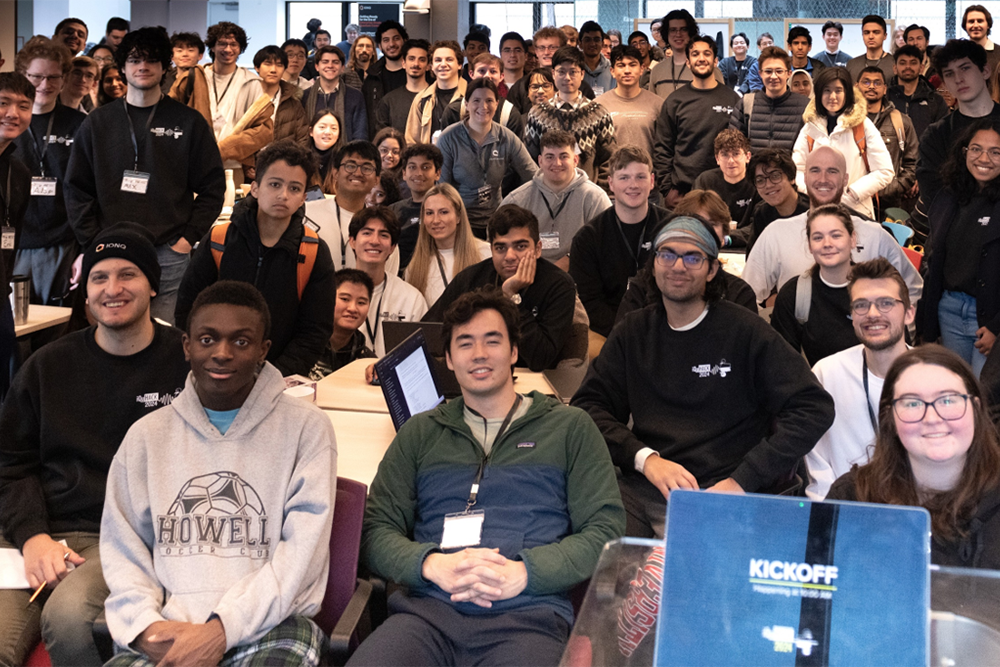
MIT hosted its largest Quantum Hackathon, called iQuHACK, in February. Over 1,200 participants from 77 countries joined both in person and online. Teams worked on over a dozen complex challenges using real and simulated quantum computers. Mentors from sponsoring companies helped guide the participants through their projects. The event aimed to push the boundaries of quantum technology and discover new applications. Teams built projects like a quantum dating platform and an organ donor matching app. These projects show how quantum computing might impact everyday life and healthcare.
The event also fostered a strong community of scientists, students, and industry leaders. Many participants started their own quantum clubs or hackathons after iQuHACK. Industry professionals shared insights during workshops and panels. The event ended with project presentations and awards, highlighting progress made in just three days. Overall, iQuHACK sparked innovation and teamwork, emphasizing the human side of scientific development.
Quantum Advancements and Future Challenges
Throughout the hackathon, participants addressed real-world problems. One team focused on improving quantum algorithms to make computers faster and more accurate. Others explored quantum solutions for finance and machine learning. Some teams tackled the challenge of hacking into quantum vaults. These tasks help researchers understand how to improve quantum computers’ security and performance.
Projects like MITqute, a quantum dating app, demonstrate practical potential. Another project used quantum algorithms to match organ donors with patients, earning a top social impact award. Such projects show how quantum tech might solve societal issues, although many challenges remain. The experiments also revealed gaps in current understanding. Some vaults could only be partly accessed, highlighting the need for ongoing research. Substantial work is required before quantum computing becomes widely practical, but hackathons like iQuHACK drive progress.
Discover More Technology Insights
Stay informed on the revolutionary breakthroughs in Quantum Computing research.
Access comprehensive resources on technology by visiting Wikipedia.
QuantumV1
