

Top Highlights
- Deep ocean microbes thrive on nutrients released from sinking marine snow particles.
- Hydrostatic pressure forces valuable dissolved organic matter out for microbial consumption.
- Up to 50% of carbon and nearly 63% nitrogen is leaked during descent.
- Findings may reshape understanding of the carbon cycle’s role in climate processes.
New Insights into Deep Ocean Ecosystems
Scientists have made a groundbreaking discovery about food sources in the deep ocean. A study from the University of Southern Denmark reveals that deep-sea microbes are not as isolated as previously believed. Instead, researchers uncovered that sinking particles, known as marine snow, leak valuable nutrients as they descend. This phenomenon fundamentally challenges the understanding of nutrient availability in extreme ocean depths.
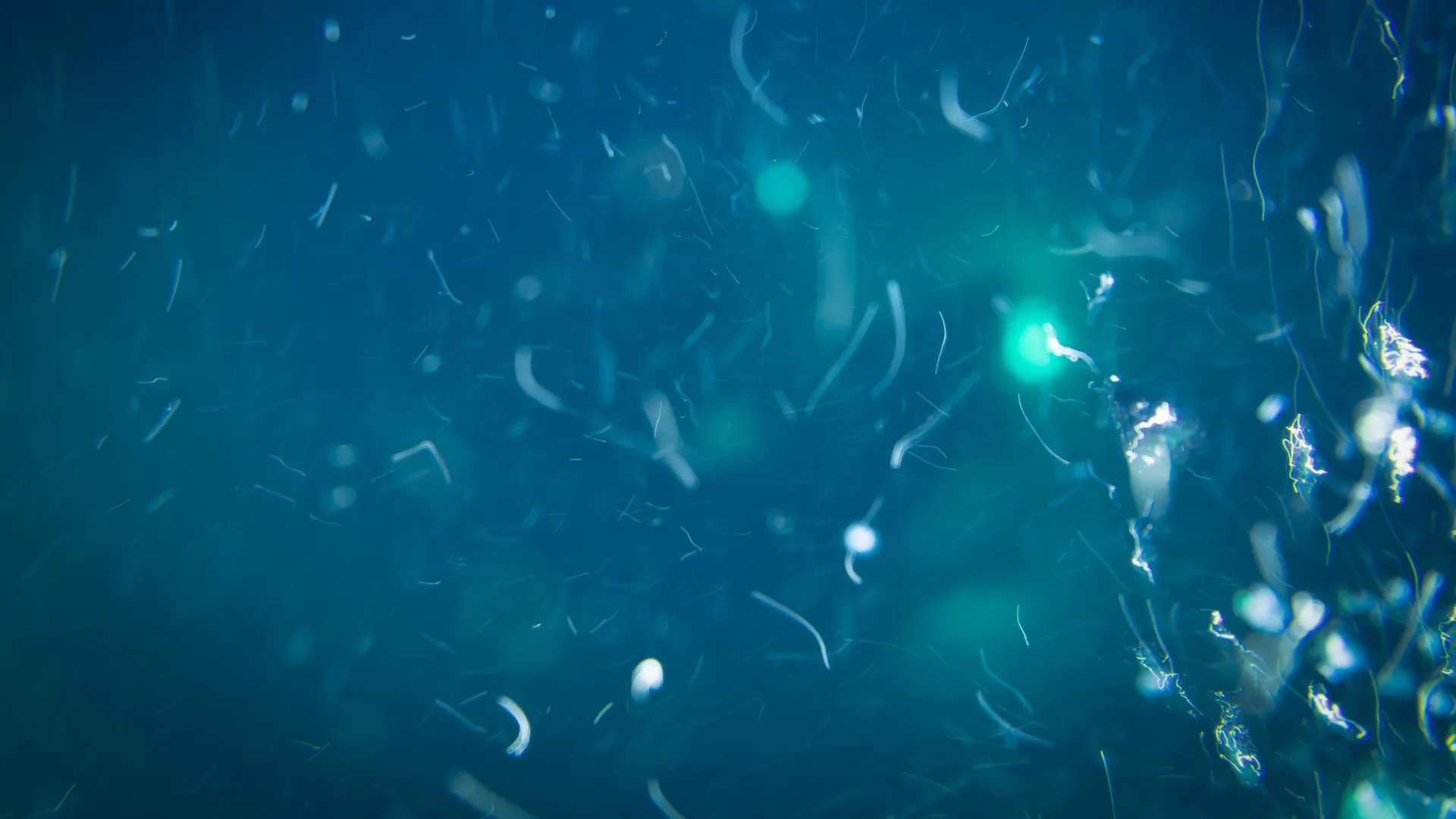
Marine snow consists of tiny clumps of organic matter, including dead algae and microbes. As these particles sink to depths between 2 to 6 kilometers, hydrostatic pressure forces dissolved organic matter out of them, acting like a giant juicer, according to biologist Peter Stief. This leakage could be significant for microbial communities, providing an immediate food source in an otherwise nutrient-starved environment. The ability of microbes to quickly utilize these nutrients may improve their growth, which impacts whole ecosystems.
Researchers found that sinking marine snow can lose up to 50% of its original carbon and over 60% of its nitrogen during descent. This high leakage rate suggests that much less carbon may become permanently stored in ocean sediments than initially thought. Instead, significant amounts of carbon remain suspended in the deep ocean for extended periods. This process reshapes the understanding of the carbon cycle, affecting climate models and future predictions.
Implications for Climate Research
The findings prompt critical questions about the ocean’s ability to store carbon and how long that carbon remains locked away. Traditionally, many believed that marine snow helped sequester carbon in the ocean’s depths. If large amounts of carbon leak out during the descent, then the ocean’s role in climate regulation may be overstated.
The research’s implications stretch beyond academic curiosity. They offer a fresh perspective on how humanity understands carbon cycling and storage. Since much of today’s oil and natural gas originated from this buried carbon, adjusting the models could alter energy resource strategies and climate action initiatives.
Future research plans include expeditions to the Arctic Ocean, where researchers aim to find molecular evidence of this leakage in natural settings. Confirming the laboratory findings in ocean environments could solidify the importance of marine snow in global carbon dynamics. This next step remains crucial as scientists race against time to grasp the complex relationships between ocean ecosystems and climate change.
Exploring these hidden food sources and their implications could redefine marine biology and climate science. The ongoing investigation offers valuable insights that might shift perspectives on how we understand and interact with our planet’s oceans.
Continue Your Tech Journey
Dive deeper into the world of Cryptocurrency and its impact on global finance.
Explore past and present digital transformations on the Internet Archive.
TechV1
