
Close Menu
    Facebook X (Twitter) Instagram
    Monday, July 13
    Top Stories:
    • Zhipu AI fuels China’s ‘DeepSeek’ breakthrough with affordable coding
    • Creatine Boosts Muscle Power and Offers Surprising Health Benefits
    • Xbox Gamer Triumphs: Account and Digital Library Restored!
    Facebook X (Twitter) Instagram Pinterest Vimeo
    IO Tribune
    • Home
    • AI
    • Tech
      • Gadgets
      • Fashion Tech
    • Crypto
    • Smart Cities
      • IOT
    • Science
      • Space
      • Quantum
    • OPED
    IO Tribune
    Home » Electrons Split in Graphene, New MIT Study Finds
    Quantum

    Electrons Split in Graphene, New MIT Study Finds

    Staff ReporterBy Staff ReporterJuly 13, 2026No Comments2 Mins Read
    Share Facebook Twitter Pinterest LinkedIn Tumblr Reddit Telegram Email
    Share
    Facebook Twitter LinkedIn Pinterest Email

    Top Highlights

    1. Electrons can fractionalize into parts in special matter states, enabling quantum tech.
    2. MIT observed fractional charge in five-layer graphene without needing magnetic fields.
    3. This is the first evidence of fractional quantum anomalous Hall effect in crystalline graphene.
    4. Findings could advance resilient, topological quantum computing and fundamental physics understanding.

    Electrons Split into Fractions in Graphene

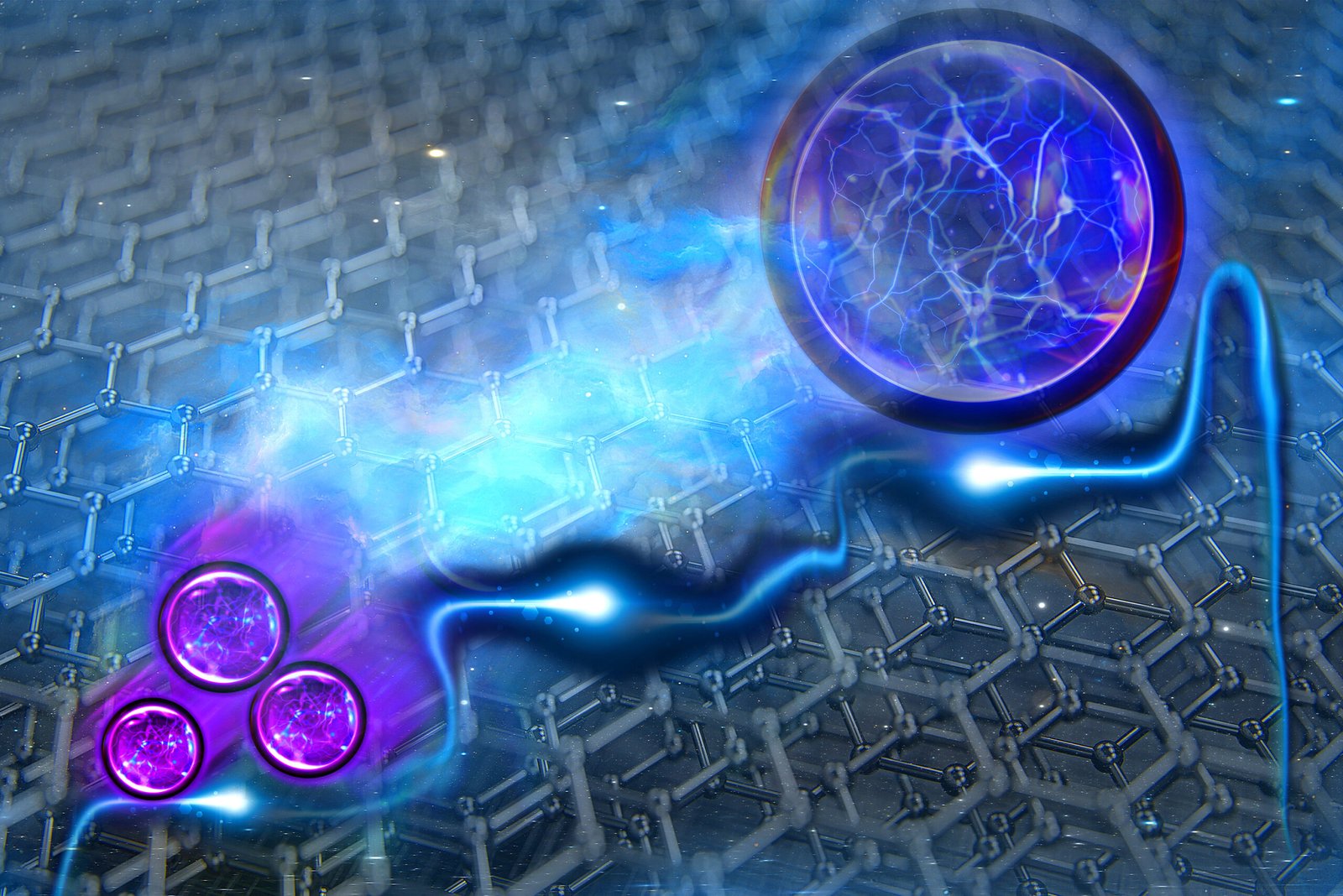
    Recent research from MIT shows that electrons can break into smaller parts, called fractional charges, in a simple material—five layers of graphene. Graphene is a super-thin sheet of carbon, the same material found in pencil lead. Normally, electrons act as single units with a negative charge. But under certain conditions, they can act as if they are divided. Scientists usually see this in special states of matter called the fractional quantum Hall effect, which needs strong magnetic fields to occur. Now, MIT researchers have found it in graphene without any external magnetic field, making the process simpler and more practical for future technology. This breakthrough could help develop more reliable quantum computers that resist errors better.

    Why This Discovery Matters

    The discovery shows that graphene can host complex electronic states that scientists didn’t expect. Usually, fractional charges appear only in experimental setups with powerful magnetic fields. However, the MIT team used a layered form of graphene, stacked in a step-like structure, and combined it with another material called hexagonal boron nitride. This setup creates a unique environment that encourages electrons to split into fractions naturally. These states are considered “anomalous,” meaning they happen without magnetic influence. Scientists believe this could lead to more robust quantum computers. These computers would be safer and more reliable because topological states—like those created by fractional charges—are less affected by disturbance. The research opens new doors for exploring electronic properties in simpler, more accessible materials, potentially accelerating advancements in quantum technology.

    Expand Your Tech Knowledge

    Explore the future of technology with our detailed insights on Artificial Intelligence.

    Stay inspired by the vast knowledge available on Wikipedia.

    QuantumV1

    correlated electrons graphene physics HPC Innovation Long Ju MIT Physics Pentalayer graphene Quantum quantum Hall effect Research VT1 Zhengguang Lu
    Share. Facebook Twitter Pinterest LinkedIn Tumblr Email
    Previous ArticleAssessing Stability of Econometric Models
    Next Article Unpacking the Cosmic Challenge: Why Space Games Fall Short on Scale
    Avatar photo
    Staff Reporter
    • Website

    John Marcelli is a staff writer for IO Tribune, with a passion for exploring and writing about the ever-evolving world of technology. From emerging trends to in-depth reviews of the latest gadgets, John stays at the forefront of innovation, delivering engaging content that informs and inspires readers. When he's not writing, he enjoys experimenting with new tech tools and diving into the digital landscape.

    Related Posts

    Space

    Unpacking the Cosmic Challenge: Why Space Games Fall Short on Scale

    July 13, 2026
    AI

    Assessing Stability of Econometric Models

    July 13, 2026
    Gadgets

    One Folded Phone Keeps Winning My Heart

    July 13, 2026
    Add A Comment

    Comments are closed.

    Must Read

    Unpacking the Cosmic Challenge: Why Space Games Fall Short on Scale

    July 13, 2026

    Electrons Split in Graphene, New MIT Study Finds

    July 13, 2026

    Assessing Stability of Econometric Models

    July 13, 2026

    One Folded Phone Keeps Winning My Heart

    July 13, 2026

    Mastering Information and Ensemble Models

    July 13, 2026
    Categories
    • AI
    • Crypto
    • Fashion Tech
    • Gadgets
    • IOT
    • OPED
    • Quantum
    • Science
    • Smart Cities
    • Space
    • Tech
    Most Popular

    Signal’s Founder Empowers Meta AI Encryption

    March 19, 2026

    iPhone 18: Key Insights on Apple’s Next Big Release

    February 9, 2026

    Tragic Blaze Claims Lives at Swiss Alps Bar

    January 1, 2026
    Our Picks

    ADA & DOT Gear Up: Grayscale’s ETF Moves Ahead!

    August 30, 2025

    Mapping the Future: How MIT is Teaching Robots to Conquer Vast Environments!

    November 5, 2025

    Ancient Craft: Oldest Whale Bone Tools Unearthed

    May 31, 2025
    Categories
    • AI
    • Crypto
    • Fashion Tech
    • Gadgets
    • IOT
    • OPED
    • Quantum
    • Science
    • Smart Cities
    • Space
    • Tech
    • Privacy Policy
    • Disclaimer
    • Terms and Conditions
    • About Us
    • Contact us
    Copyright © 2025 Iotribune.comAll Rights Reserved.

    Type above and press Enter to search. Press Esc to cancel.