

Essential Insights
- DHS promised body cameras for immigration agents after fatal incidents, but implementation is delayed.
- Lawmakers push for immediate body camera deployment to ensure accountability.
- Funding for cameras exists, but DHS cites government shutdowns as a barrier.
- Critics argue lack of urgency in issuing body cameras undermines accountability for ICE actions.
Delayed Accountability in Immigration Enforcement
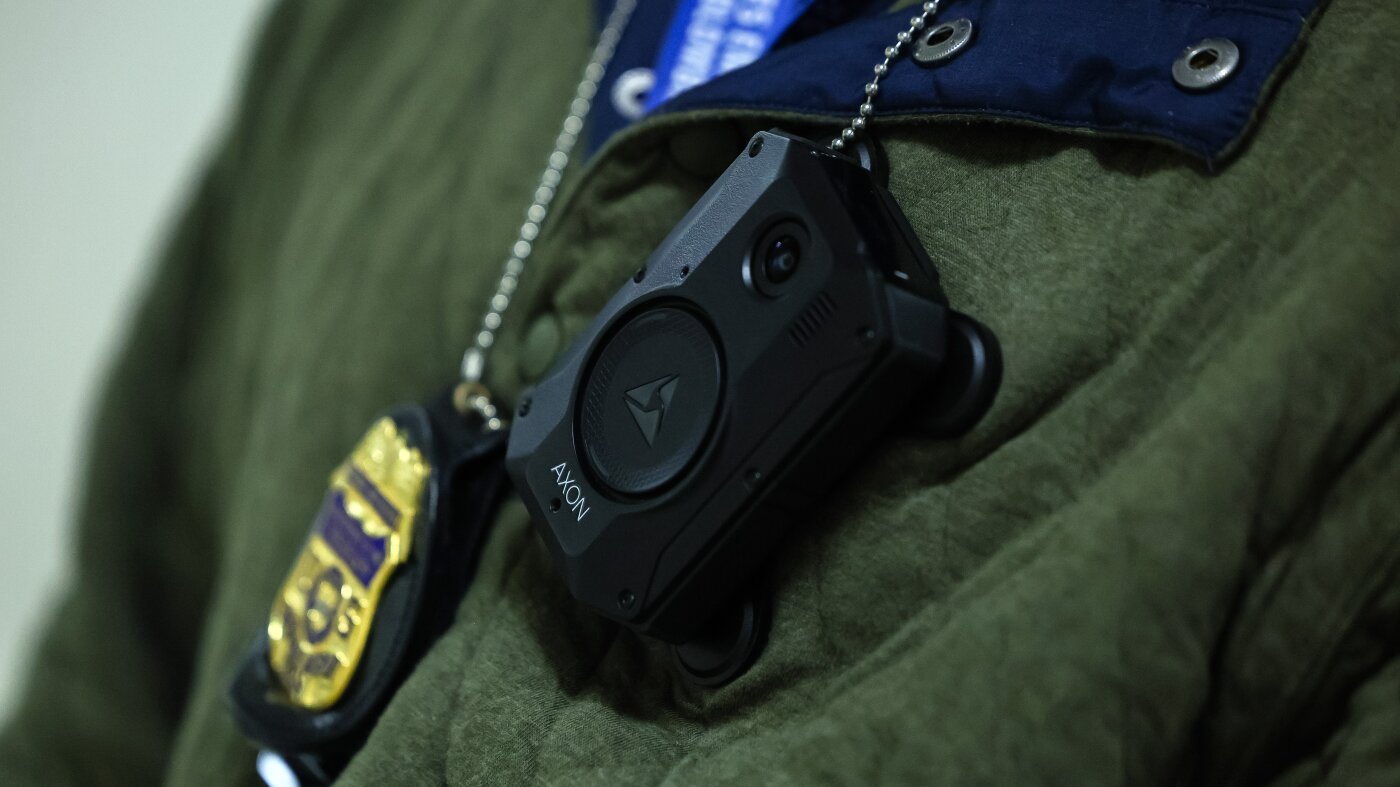
The promise of body cameras for all immigration agents highlights a pressing issue within the Department of Homeland Security (DHS). After federal agents killed two U.S. citizens in January, DHS committed to deploying body cameras swiftly. Almost six months later, this commitment remains unfulfilled. Recent incidents, including the deaths of two immigrant fathers in Texas and Maine, illustrate the dire need for accountability. In both cases, agents did not wear body cameras, raising significant concerns about transparency and public trust.
Lawmakers, including U.S. Senator Susan Collins, emphasize that body-worn cameras can protect both officers and the individuals they interact with. The absence of these cameras during fatal incidents underscores the consequences of inaction. Lauren Bonds from the National Police Accountability Project argues that body cameras serve as vital tools for accountability. They disrupt patterns of excessive force and challenge inaccurate narratives in official reports. Without this technology, victims and their families face immense difficulty in seeking justice.
Obstacles to Implementation
Funding appears to be a critical barrier. White House Border Czar Tom Homan noted that while “hundreds” of cameras were dispatched to Minnesota, the full rollout remains incomplete due to financial constraints. Although Congress allocated $31 billion for technology, including body cameras, lawmakers have not mandated their use by ICE. Statements from DHS attribute the delay to issues like government shutdowns, raising questions about their prioritization of this essential tool.
Critics argue that DHS’s statements reflect a lack of urgency. David Bier from the Cato Institute suggests that the agency may not wish to document their agents’ actions extensively. This reluctance to embrace accountability could lead to continued misconduct without repercussions. As Bonds points out, even with body cameras, officers may find ways to manipulate the footage or refrain from activating the devices. Meanwhile, independent video footage has often contradicted official narratives following fatal encounters.
DHS claims that half of its field offices currently have body cameras, with plans for nationwide deployment on a 60-day timeline. However, skepticism remains. Critics question whether this timeline is realistic or merely a public relations move. The need for prompt accountability and transparency is critical in restoring public trust in immigration enforcement. Until DHS fully commits to deploying and properly managing body cameras, the specter of unchecked power looms large over immigration agents.
Stay Ahead with the Latest Tech Trends
Dive deeper into the world of Cryptocurrency and its impact on global finance.
Explore past and present digital transformations on the Internet Archive.
TechV1
