
Close Menu
    Facebook X (Twitter) Instagram
    Tuesday, July 21
    Top Stories:
    • Unlocking the Flu: A New Molecular Map of Viral Hijacking
    • Rising Demand: College Men Embrace Nursing Careers
    • Bose’s Next QuietComfort: The Ultimate Ultra Upgrade?
    Facebook X (Twitter) Instagram Pinterest Vimeo
    IO Tribune
    • Home
    • AI
    • Tech
      • Gadgets
      • Fashion Tech
    • Crypto
    • Smart Cities
      • IOT
    • Science
      • Space
      • Quantum
    • OPED
    IO Tribune
    Home » MIT Unveils Bright, Energy-Efficient Digital Displays
    Quantum

    MIT Unveils Bright, Energy-Efficient Digital Displays

    Staff ReporterBy Staff ReporterJuly 21, 2026No Comments2 Mins Read
    Share Facebook Twitter Pinterest LinkedIn Tumblr Reddit Telegram Email
    Share
    Facebook Twitter LinkedIn Pinterest Email

    Summary Points

    1. Encapsulating quantum dot LEDs with resin significantly extends their lifespan, especially blue ones.
    2. Nanoscale analysis revealed that degradation involves layer thinning and shape merging of dots.
    3. Resin prevents moisture and gas buildup, reducing chemical degradation during operation.
    4. This scalable technique improves stability, efficiency, and potential for diverse display technologies.

    Breakthrough in Quantum Dot LEDs Could Transform Displays and Lighting

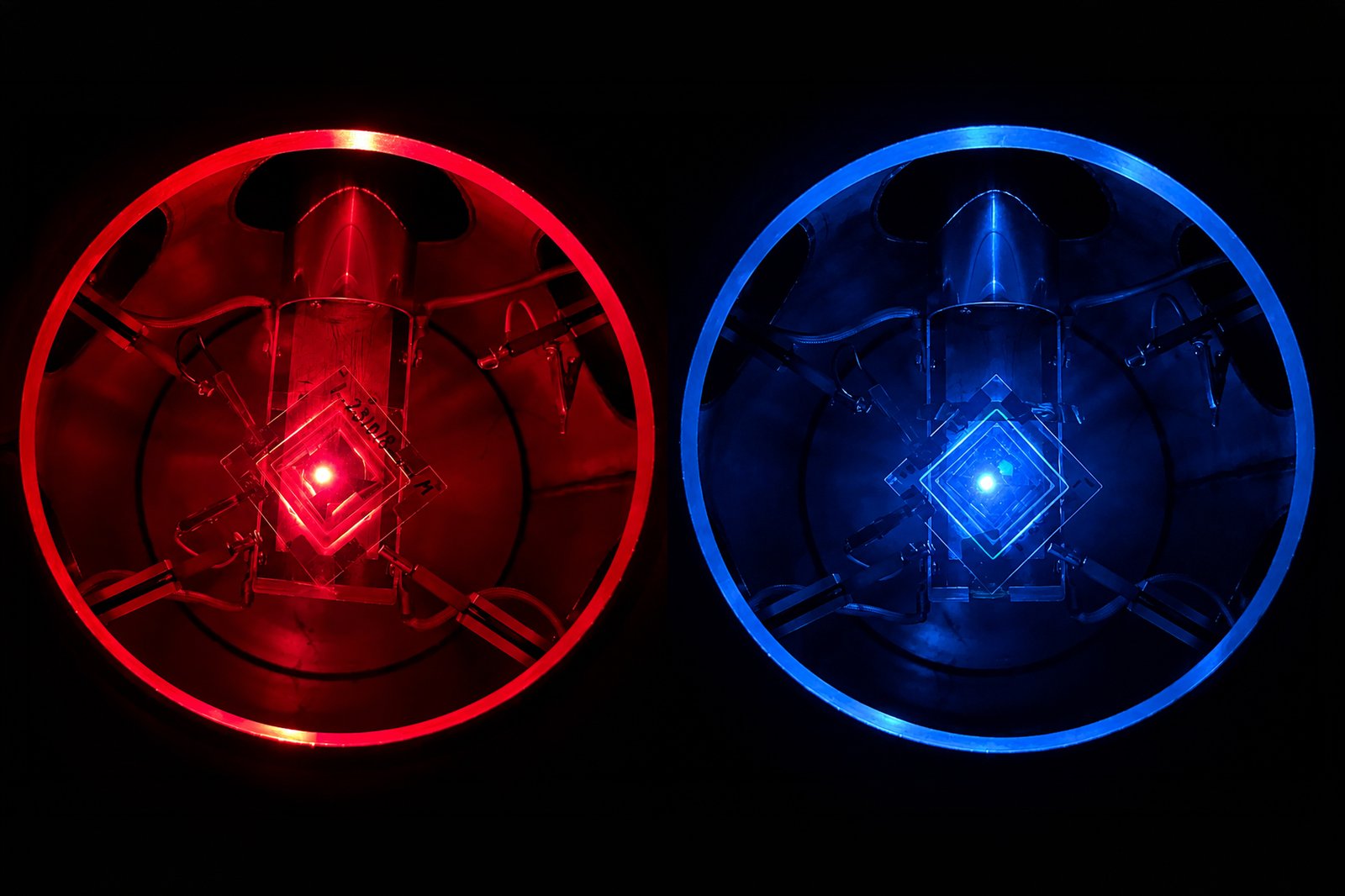
    MIT researchers have discovered a way to make quantum dot LEDs (Q-LEDs) last much longer and operate more efficiently. These tiny semiconductor particles, called quantum dots, emit pure, bright colors when electrically excited. They are already used in high-quality screens for TVs, smartphones, and computers. The new study shows that encasing Q-LEDs in a special resin can greatly improve their durability, with some devices lasting over 5,000 times longer. This simple, scalable method protects the internal layers from degradation caused by gases like hydrogen and oxygen during operation. These findings could lead to brighter, more energy-efficient displays that produce richer colors. The technology might also improve lighting surfaces and other applications beyond traditional screens.

    Implications and Future Developments

    This advance addresses a key challenge in quantum dot display technology: blue Q-LEDs tend to degrade faster than red and green ones, limiting their use. The researchers examined tiny slices of Q-LEDs under powerful microscopes to understand what happens inside during operation. They found that degradation is caused by changes in the internal layers, particularly in blue Q-LEDs. By applying an acrylate-based resin coating, they significantly slowed this process, drastically extending lifespan. While this method improves stability, it does not eliminate all sources of degradation. Future work aims to add extra layers and find new ways to enhance lifespan and efficiency further. This progress opens the door to more practical, vibrant displays and advanced lighting systems, with potential applications in sensors, lasers, and other fields.

    Expand Your Tech Knowledge

    Dive deeper into the world of Cryptocurrency and its impact on global finance.

    Explore past and present digital transformations on the Internet Archive.

    QuantumV1

    Digital displays HPC Innovation LED screens Moungi Bawendi QD-LED QLED Quantum quantum dot LEDs quantum dots Ruiqi Zhang Sustainability Vladimir Bulović VT1
    Share. Facebook Twitter Pinterest LinkedIn Tumblr Email
    Previous ArticlePS Plus July 2026: Zombies, Aliens, Nostalgia Unleashed
    Next Article Transform 2D Designs into 3D Models Faster
    Avatar photo
    Staff Reporter
    • Website

    John Marcelli is a staff writer for IO Tribune, with a passion for exploring and writing about the ever-evolving world of technology. From emerging trends to in-depth reviews of the latest gadgets, John stays at the forefront of innovation, delivering engaging content that informs and inspires readers. When he's not writing, he enjoys experimenting with new tech tools and diving into the digital landscape.

    Related Posts

    AI

    Halliday’s Smart Glasses: Camera-Free Innovation

    July 21, 2026
    Tech

    Unlocking the Flu: A New Molecular Map of Viral Hijacking

    July 21, 2026
    Science

    America’s Breastfeeding Rates: Surprising Regional Disparities

    July 21, 2026
    Add A Comment

    Comments are closed.

    Must Read

    Halliday’s Smart Glasses: Camera-Free Innovation

    July 21, 2026

    Unlocking the Flu: A New Molecular Map of Viral Hijacking

    July 21, 2026

    America’s Breastfeeding Rates: Surprising Regional Disparities

    July 21, 2026

    Rising Demand: College Men Embrace Nursing Careers

    July 21, 2026

    Next-Gen AI Powered by Materials Science Innovation

    July 21, 2026
    Categories
    • AI
    • Crypto
    • Fashion Tech
    • Gadgets
    • IOT
    • OPED
    • Quantum
    • Science
    • Smart Cities
    • Space
    • Tech
    Most Popular

    J.P. Morgan Chooses Marex for Blockchain Settlement Clearing

    August 11, 2025

    Capturing Cosmos: The Birth of a Baby Planet Unveiled!

    December 25, 2025

    Months to Locate Texas Flood Victims: Here’s Why

    July 10, 2025
    Our Picks

    Challenging Spooky Action at a Distance

    July 6, 2026

    Neanderthals’ 60,000-Year-Old Dentistry Discovery

    May 14, 2026

    Global Rollout of YouTube’s Picture-In-Picture Mode

    April 30, 2026
    Categories
    • AI
    • Crypto
    • Fashion Tech
    • Gadgets
    • IOT
    • OPED
    • Quantum
    • Science
    • Smart Cities
    • Space
    • Tech
    • Privacy Policy
    • Disclaimer
    • Terms and Conditions
    • About Us
    • Contact us
    Copyright © 2025 Iotribune.comAll Rights Reserved.

    Type above and press Enter to search. Press Esc to cancel.