

Essential Insights
- Researchers mapped influenza A’s effects on human cells using advanced techniques.
- The study identifies viral proteins’ interactions with human proteins in real time.
- Influenza A disrupts cellular structures, aiding its replication and evading defenses.
- This research method could enhance vaccine development and insights on pandemic viruses.
Revolutionizing Our Understanding of Influenza
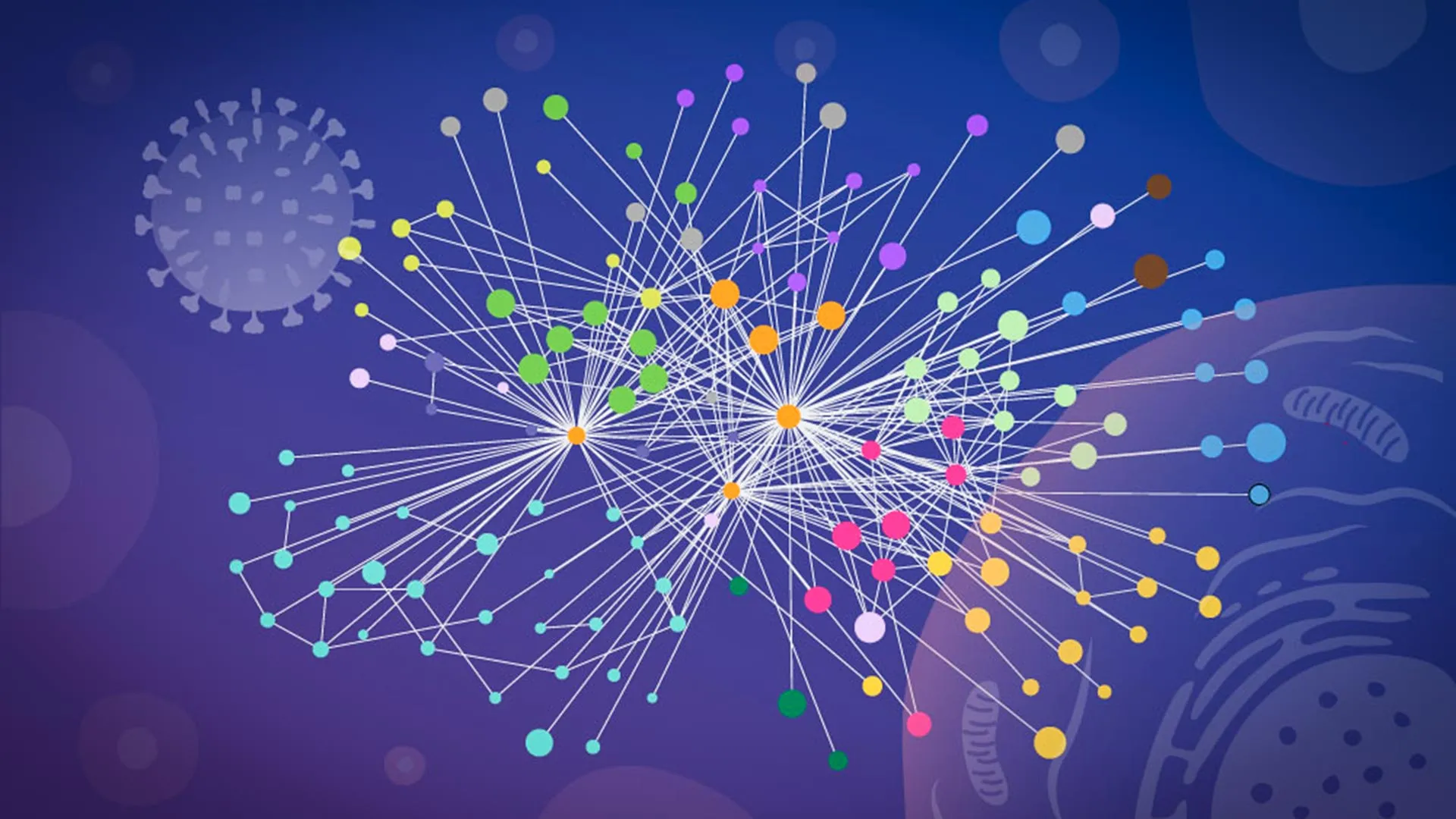
Researchers at EMBL Hamburg, in collaboration with the Leibniz Research Institute for Molecular Pharmacology (FMP), have delivered groundbreaking insights into how influenza A manipulates human cells. This team has created a detailed molecular map that shows exactly how the flu virus takes over its host. Their innovative approach allowed them to observe protein interactions in their natural environment, within living cells, rather than relying on broken cell samples. This advancement could lead to the development of more effective vaccines and antiviral treatments.
Seasonal influenza already poses a significant public health threat, causing 3-5 million cases of severe illness each year and contributing to up to 650,000 deaths globally. Recent historical pandemics, most notably the 1918 Spanish Flu, highlight the urgency of this research. After influenza A enters a human cell, it injects RNA that contains instructions for producing viral proteins. These proteins then commandeer the cell’s internal machinery, effectively transforming it into a factory for new virus particles. Understanding the direct interactions between viral and human proteins could unveil crucial pathways for combating infection and improving therapeutic responses.
Targeting Viral Strategies for Future Solutions
This study uncovers two primary strategies that influenza A employs to exploit human cells. The first involves hemagglutinin, a surface protein that the virus uses to attach and enter host cells. Researchers observed how hemagglutinin traveled through the cell’s transport network and discovered that several human proteins assist in its proper folding and modification. This interaction reveals potential vulnerabilities that scientists can target for drug development.
The second remarkable finding involves paraspeckles—tiny compartments within the cell nucleus. The research indicates that influenza A infection prompts these structures to dissolve. When this happens, RNA-binding proteins stored within paraspeckles are released. The virus likely exploits these proteins to bolster its own replication. Disrupting these compartments may also weaken the cell’s defense mechanisms, giving the virus an additional advantage.
The collaborative effort across three institutions marks a significant milestone in understanding viral infections. The researchers successfully combined advanced mass spectrometry, structural modeling, and microscopy to create a comprehensive picture of how flu viruses hijack human cells. This methodology could extend beyond influenza, offering insights into other viruses with pandemic potential, such as H5N1. By refining our approach to studying viral-host interactions, we move closer to developing effective countermeasures against both current and emerging infectious threats.
Expand Your Tech Knowledge
Stay informed on the revolutionary breakthroughs in Quantum Computing research.
Discover archived knowledge and digital history on the Internet Archive.
TechV1
