

Essential Insights
Key Points (from Paul Jones / Android Authority):
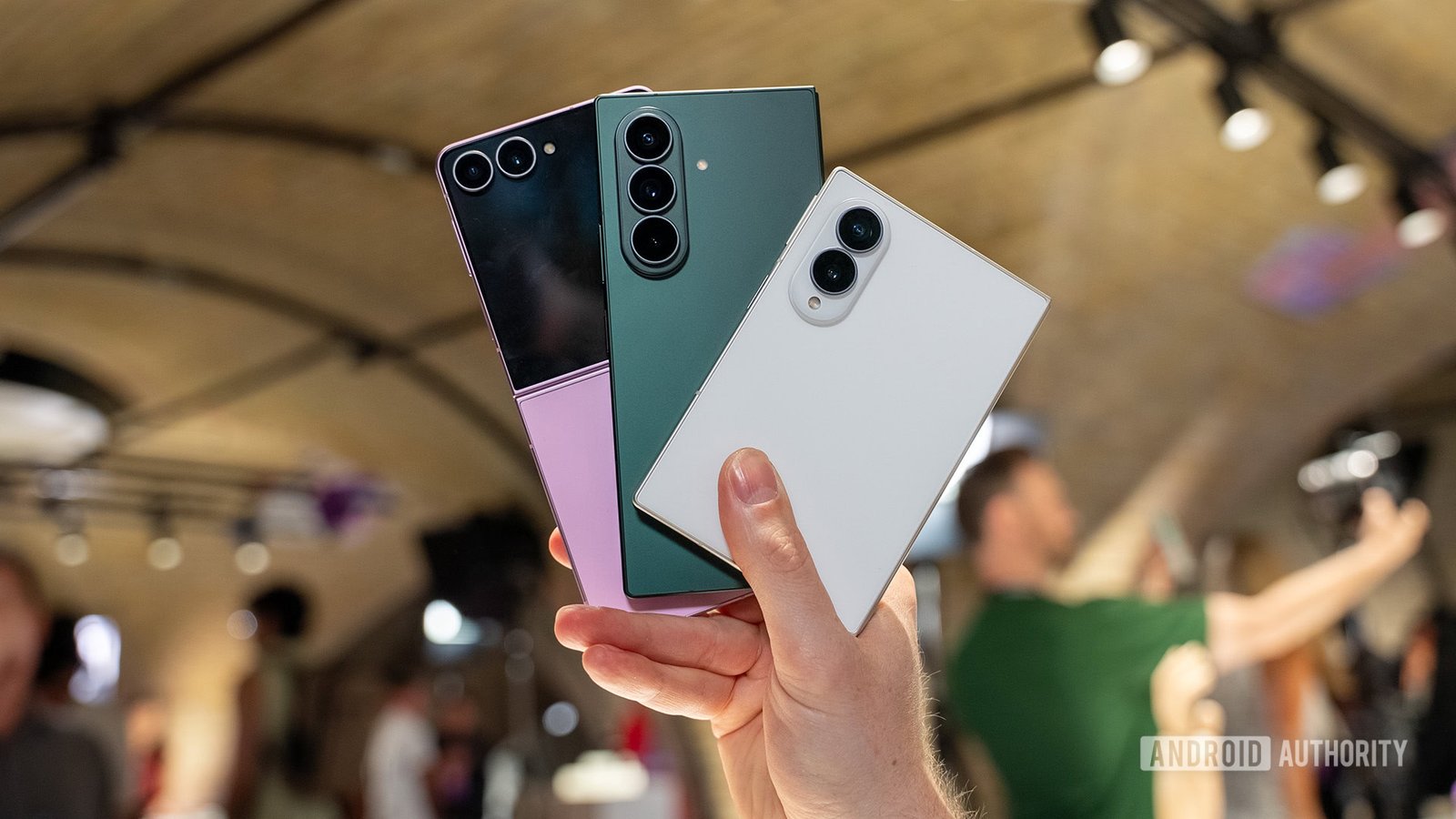
Samsung’s latest foldable phones, Galaxy Z Fold 6 and Flip 6, are rated IP48 for dust resistance, which is inadequate compared to rivals. While IP48 offers some protection against large objects, it doesn’t effectively guard against dust, sand, or lint, raising durability concerns. Competitors like HONOR, Vivo, and Google have foldables with higher IP ratings (IP58 and IP68), offering better dust sealing without compromising design. The industry trend shows many brands prioritizing robust dust protection, making Samsung’s adherence to lower IP ratings disappointing for consumers seeking durability.
Highlights in 4 concise statements:
- Samsung’s foldables have an IP48 rating, providing limited dust resistance and exposing them to potential damage from dirt and debris.
- Rivals like HONOR, Vivo, and Google offer foldables with IP58 and IP68 ratings, ensuring better dust and water resistance.
- Competitor devices maintain slim profiles and high durability standards, surpassing Samsung’s current dust protection levels.
- Industry experts and consumers are calling for Samsung to upgrade its dust resistance for improved durability and peace of mind.
Samsung’s IP48 Rating: Why It Matters
Samsung has been a leader in foldable technology for years. Its latest models, the Galaxy Z Fold 6 and Flip 6, introduced an IP48 rating. This rating suggests some level of protection against dust and water. However, the truth is more complicated. An IP48 rating means the device is protected against objects one millimeter or larger. That includes things like wire fragments or small pebbles. But it does not ensure dust resistance. Dust particles are usually much smaller than one millimeter.
Many users expect their high-priced devices to withstand daily hazards better. Yet, Samsung’s choice to stick with IP48 shows a focus on water resistance more than dust protection. While water resistance is vital, dust can also damage hinges, ports, and internal components over time. Most competitors now offer better dust protection, making Samsung’s IP48 seem outdated. This decision affects users’ confidence in durability.
Competitors Outperform Samsung in Durability
Other brands are raising the bar when it comes to waterproofing and dust resistance. For example, some foldables now come with IP58 or even IP68 ratings. These ratings mean the devices can resist dust completely and withstand submerged water. One model, in particular, boasts a sealed design without compromising its slim profile or features.
Contrast this with Samsung’s approach. Its foldables still feature a design that doesn’t fully block out dust. Despite some improvements, many users worry that their phones might get gritty or clogged over time. Meanwhile, competitors are producing stylish, durable phones that handle dusty environments better. For users who spend time at beaches, beaches, or dusty work sites, these ratings matter. They add value by ensuring the device keeps working over time.
A Call for Better Protection and User Confidence
Most consumers want foldable phones that last. It’s no longer acceptable to have a fragile device that needs careful handling. Other brands prove it’s possible to create thin, feature-packed foldables with high dust resistance. These phones don’t compromise on design or performance either.
While Samsung’s latest foldables should be practical and stylish, the lack of robust dust protection leaves many disappointed. As fresh competitors emerge with higher IP ratings, Samsung risks falling behind in user trust. Buyers now seek foldables that are not only innovative but also tough enough for everyday life.
Ultimately, it’s time for Samsung to reconsider its standards. A device’s durability directly impacts how users feel about their high-end investment. This shift would not only strengthen Samsung’s reputation but also give consumers peace of mind in their premium devices.
Discover More Technology Insights
Learn how the Internet of Things (IoT) is transforming everyday life.
Discover archived knowledge and digital history on the Internet Archive.
CellphonesV1
