

Quick Takeaways
- Boeing is selling three eVTOL subsidiaries to Archer Aviation, including Wisk Aero, SkyGrid, and Insitu.
- The deal allows Boeing to focus on core aerospace while strengthening Archer’s urban air taxi plans.
- Archer aims to launch pilot air taxi services in New York, Texas, and Florida soon.
- Wisk’s autonomous flight tech will now be exclusively supplied to Archer, following a settled legal dispute.
Boeing Sells Its eVTOL Startups to Archer Aviation to Focus on Core Business
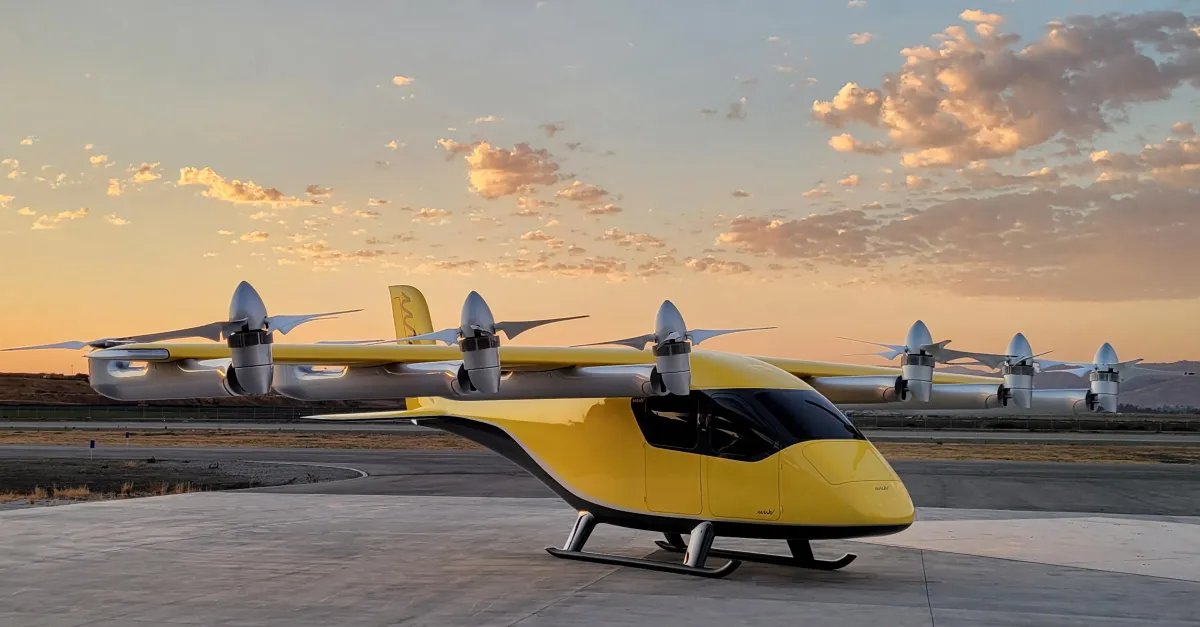
Boeing is selling three of its electric vertical takeoff and landing (eVTOL) subsidiaries to Archer Aviation. The deal includes Wisk Aero, which builds autonomous electric aircraft; SkyGrid, which creates air traffic management systems; and Insitu, known for high-altitude drones used by the US Navy. Boeing will also take an undisclosed stake in Archer. The company plans to share technology and will keep access to Wisk’s autonomous flight systems for future projects.
This move helps Boeing focus on its main business of making commercial airplanes. The company has a backlog of more than 6,200 planes worth $715 billion. Boeing also faces regulatory issues after several safety incidents, including problems with the Boeing 737 Max. Selling its startups allows Boeing to cut costs and reduce distractions from its core operations. Meanwhile, Archer aims to become a leader in the urban air taxi market. It plans to launch pilot air taxi services in New York, Texas, and Florida by the end of this year. The company also targets military contracts with its new eVTOL aircraft, co-developed with defense tech company Anduril.
Implications for the Future of Urban Air Mobility
For Archer, acquiring Boeing’s eVTOL subsidiaries provides a boost in technology and credibility. Having access to Wisk’s autonomous flight systems strengthens Archer’s innovation. The partnership may speed up the process of bringing electric air taxis into commercial use. It also positions Archer as a serious player in the growing urban air mobility industry. The deal indicates a shift in industry priorities. Companies want to develop practical, accessible air taxi services rather than focus solely on traditional aircraft.
Boeing’s decision reflects its need to balance innovation and financial health. By divesting from startups, Boeing can concentrate on building aircraft for its existing customers. It also reduces its exposure to the risks involved in developing new flying technology. For the industry, this deal highlights a new approach to innovation—collaborating with specialized firms rather than trying to develop everything in-house. The success of Archer’s plans could shape how urban air taxis and autonomous flight systems enter mainstream markets in the coming years.
Expand Your Tech Knowledge
Explore the future of technology with our detailed insights on Artificial Intelligence.
Discover archived knowledge and digital history on the Internet Archive.
TechV1
