

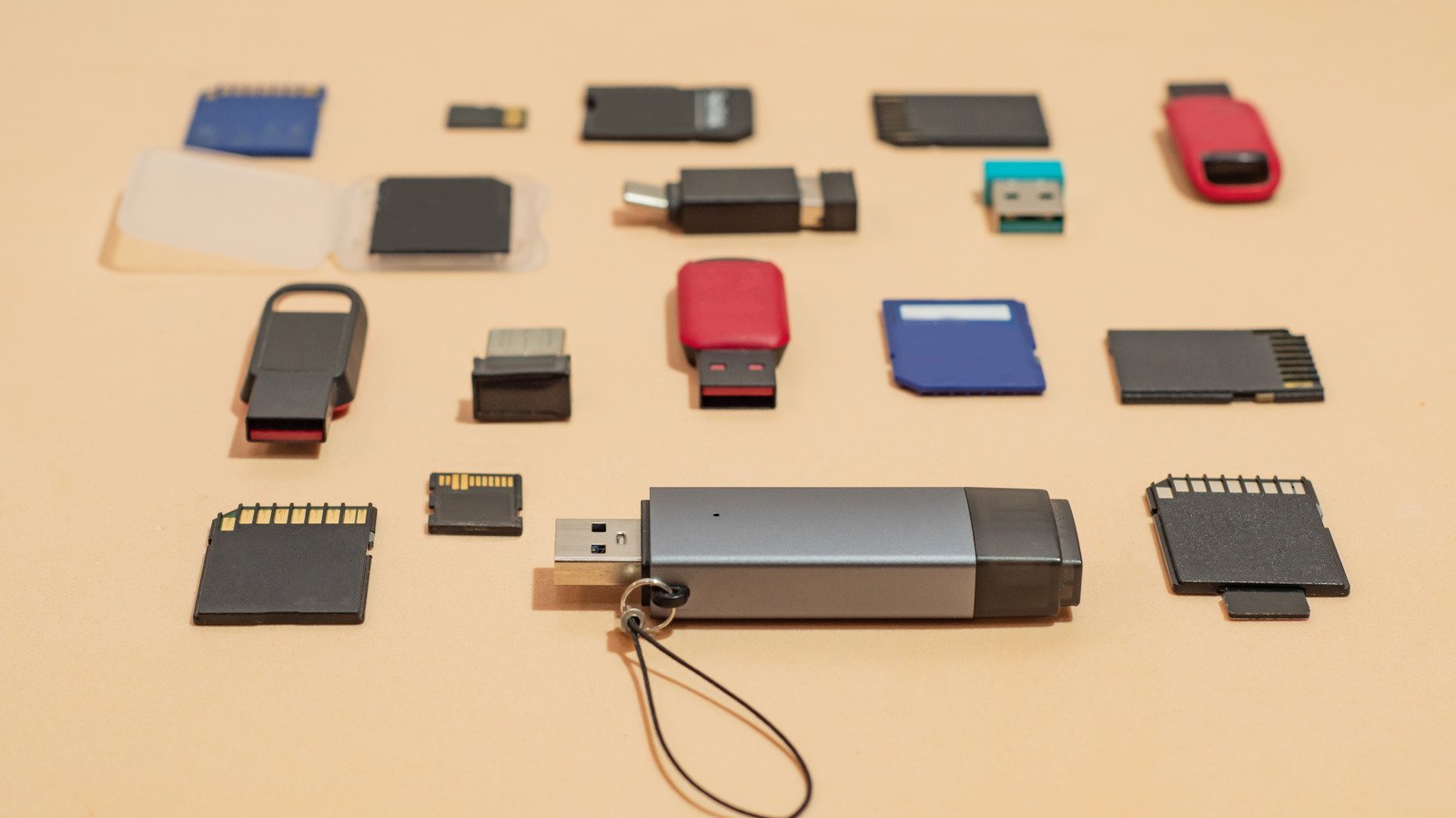
Fast Facts
Certainly! Here’s a concise summary with key points and highlights:
TLDR Key Points (Third Person):
- Simply deleting files from USB drives does not ensure data privacy; formatted drives can still be recovered.
- Full formatting, which overwrites data, is recommended, but physical destruction is the safest method for sensitive information.
- Different methods exist for securely erasing drives on Windows and Mac, with physical destruction being crucial for high security.
- Proper disposal involves physically destroying the drive to prevent data retrieval and recycling the electronic components responsibly.
Highlights in 4 Statements:
- Deleting files on old USB drives leaves data recoverable; full formatting or physical destruction are necessary for security.
- Full format scans the drive for errors and overwrites data, making recovery difficult; multiple overwrites offer extra safety.
- Physical destruction, such as cracking open SSDs and damaging chips, is the most secure way to eliminate sensitive data.
- Responsible disposal includes recycling drives at electronic waste facilities after they’ve been securely wiped or physically destroyed.
Why Simply Deleting Files Isn’t Enough
Many people think deleting files from their USB drives clears the space. However, this isn’t true. When you delete files, the data still exists on the drive. Your computer just marks that space as available for new data. If someone uses special software, they can recover your deleted files easily. That means sensitive information, like tax records or IDs, could still be at risk.
To keep your data safe, you need more than just deleting files. Formatting the drive is a better option. It removes the data more thoroughly. A full format scans for bad sectors and overwrites the data. This process makes it much harder for anyone to recover your information. Remember, a quick format is faster but leaves data recoverable. So, choose a full format if security matters most.
Just deleting files isn’t enough today. Properly erasing your drive ensures your privacy. Think of it as cleaning out a closet—not just tossing an old item but thoroughly removing it so no one can find what was there. This extra step protects you when you discard or recycle old USB drives.
How to Properly Format Your USB Drive
Formatting your USB drive is simple on both Windows and Mac. First, move any important files to a safe place. Then, connect the drive to your computer.
On Windows, open File Explorer. Find “This PC” and look for your drive under “Devices and drives.” Right-click the drive and select “Format.” A window pops up with options. Don’t check “Quick Format.” Instead, let it run completely. Then, click “Start” and wait for the process to finish.
On a Mac, open Finder. Navigate to “Applications” and then “Utilities,” where you’ll find “Disk Utility.” Select your USB drive from the sidebar. Click on “Erase” and choose the security option if available. To be extra safe, pick a setting that overwrites the data multiple times. Confirm by clicking “Erase” and wait.
Formatting is a quick way to clear your drive. For added security, choose the options that overwrite data multiple times. This makes data recovery much more difficult. Always remember to back up anything important before starting the process.
Safely Destroying Your Old USB Drive
If your USB drive contains extremely sensitive data, formatting might not be enough. Physical destruction is the safest way to be sure your data can’t be recovered.
Hard drives can be destroyed simply. Use a hammer and punch through the casing. Damage the platters inside, which store the data. For USB flash drives, open the casing with a screwdriver or chisel. Then, damage the memory chips soldered onto the circuit board. Focus on destroying the chips to prevent data recovery.
Be very careful when doing this. Breaking drives can send metal fragments flying. Wear safety goggles and work in a safe area. After destroying the drive, recycle it at an electronic waste facility. Many stores accept old gadgets for recycling.
Destroying your drive physically might sound extreme, but it is the best option for highly sensitive information. It guarantees that your data becomes unrecoverable. Properly discard old USB drives and help protect your privacy.
Expand Your Tech Knowledge
Explore the future of technology with our detailed insights on Artificial Intelligence.
Discover archived knowledge and digital history on the Internet Archive.
CellphonesV1
