

Summary Points
- MagSafe, initially introduced by Apple for iPhones, utilizes magnets to improve wireless charging efficiency and speed, and has become a standard adopted by Android through the Qi2 specification.
- Qi2 is the open, universal version of MagSafe, built on the Qi standard, allowing compatibility across devices and accessories from different brands.
- Technical differences between MagSafe and Qi2 are minimal; they use similar coils and magnets, with compatibility primarily affected by physical design and charging speed support.
- To maximize charging performance, users should prioritize devices and accessories supporting 25W fast wireless charging, regardless of whether they are branded as MagSafe or Qi2.
The Role of Magnets in Wireless Charging
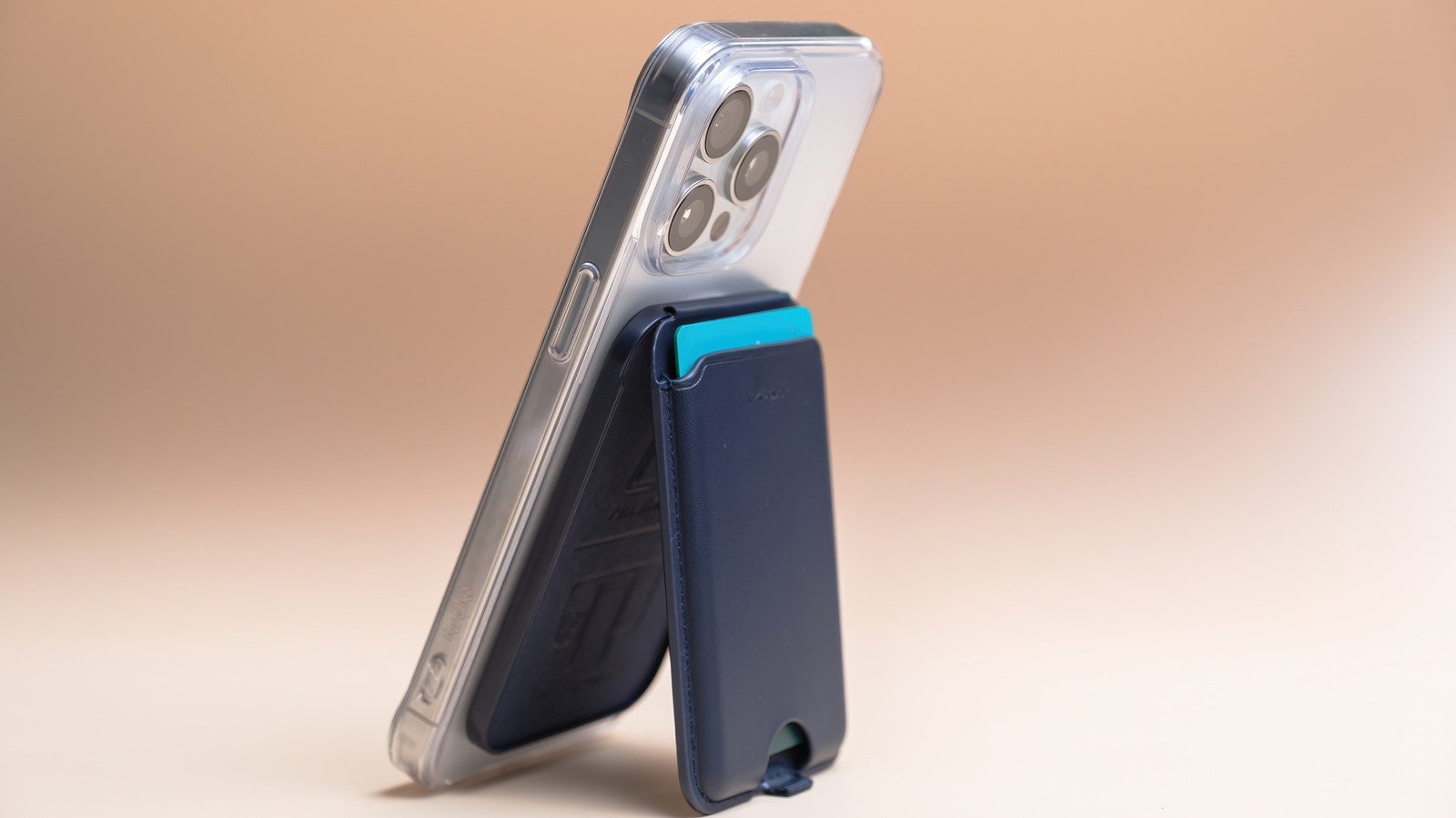
Magnets play a crucial role in both MagSafe and Qi wireless charging. They help the phone and the charger fit perfectly together. When you place your phone on a MagSafe or Qi-powered charger, the magnets pull the device into the right position. This ensures that the charging coil in your phone lines up exactly with the coil in the charger. As a result, charging becomes faster and more efficient. Without magnets, the phone might not sit correctly on the pad. This can slow down the charge or cause it to stop altogether. Both standards use similar magnetic rings, so accessories that work with one usually work with the other. The main difference is branding, not the technology itself. This magnet design makes wireless charging more reliable and simple. You just snap the phone onto the charger, and it stays securely in place. As a result, users enjoy a more seamless experience.
Enhancements and New Features in MagSafe and Qi2
Since Apple introduced MagSafe with the iPhone 12, both Apple and Android brands have improved wireless charging technology. Apple boosted its charging speed from 7.5W to 15W, thanks to magnets that align the phone perfectly. Recently, newer iPhones support up to 25W charging. Meanwhile, the Qi standard, with the new Qi2 version, also offers faster speeds, reaching 25W. Android devices like the Pixel 10 Pro XL and Samsung Galaxy S26 Ultra now support these faster rates too. The updates benefit users because faster charging saves time. Also, accessories have evolved. Many power banks and cases now include magnets for easier attachment. Some companies suggest that you can buy a case with built-in magnets instead of a device with Qi2 or MagSafe on the phone itself. This expands compatibility across brands and device types. Overall, these enhancements improve convenience, speed, and the value of wireless charging tech.
Understanding Compatibility and Choices
At their core, MagSafe and Qi2 are very similar. Both use the same basic coils and magnetic stabilizers. This means that most accessories designed for MagSafe will work with Qi2 and vice versa. However, there are some details to keep in mind. For example, the size of the accessory and the placement of features like cameras or ports can affect compatibility. Additionally, the charging speed depends on the device and the accessory. Both standards now support up to 25W charging, but you need to check if the accessories you buy specify this speed. If your device supports the latest standards, buying a charger or accessory with at least 25W rating is wise. Whether you see the label MagSafe or Qi2, the key is to verify the power output. This way, you get faster, more reliable wireless charging that works seamlessly across different brands and devices.
Stay Ahead with the Latest Tech Trends
Explore the future of technology with our detailed insights on Artificial Intelligence.
Explore past and present digital transformations on the Internet Archive.
CellphonesV1
