

Summary Points
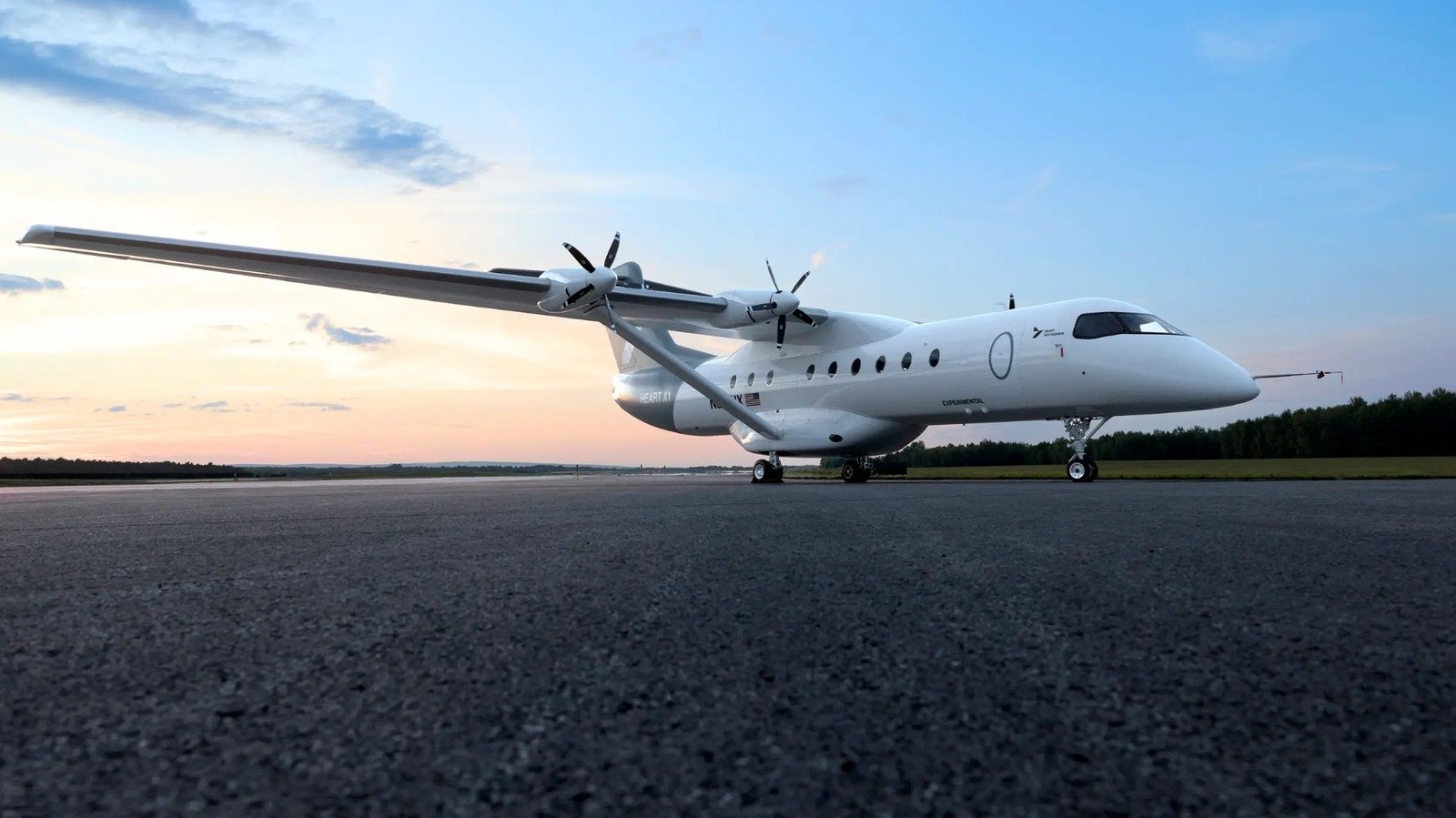
- Heart Aerospace’s X1 electric aircraft successfully completed a 27-minute flight on batteries costing less than $5, demonstrating the viability of electric propulsion in aviation.
- The company plans to develop the ES-30, a 30-seat hybrid plane aimed at regional routes, with an all-electric range of 125 miles and 500 miles with hybrid technology, targeting entry into service by 2031.
- Electric aircraft benefits include lower operating costs, easier maintenance, and potential for autonomous operation, making them a promising future for regional and hopper flights.
- The success of electric flight hinges on advances in battery density and weight reduction, as the industry faces competition from other innovative aviation startups.
The Breakthrough Flight of the X1
Electric flight just took a huge leap forward. Heart Aerospace’s X1 demonstrator made its first successful flight. It took off from Plattsburgh International Airport in New York. The aircraft stayed in the air for 27 minutes. During that time, it reached an altitude of 1,100 feet. What makes this flight special? It ran entirely on batteries. The entire trip, including takeoff and landing, cost less than $5 in electricity. This shows how affordable electric planes can be, especially with rising fuel prices. Industry leaders from United Airlines and Air Canada already show interest. They see electric planes as a way to reduce costs and emissions. This flight proves that electric planes are no longer just ideas— they are real and capable.
New Features and Future Plans
Heart Aerospace isn’t stopping here. The company plans to develop the ES-30, a hybrid aircraft for regional flights. This new plane will seat around 30 passengers. It aims to travel up to 125 miles fully electric. With a hybrid engine, that range could extend to 500 miles. The goal is to replace small turboprop planes used today. The ES-30 could lower operating costs significantly. It will also have a long-term goal of autonomous flight, initially with a single pilot. The company hopes this aircraft will enter service by 2031, though some may see that as an ambitious timeline. Still, the push toward cleaner, cheaper regional flights is strong. These innovations could make flying more affordable and environmentally friendly in the future.
The Broader Impact on Air Travel
Electric airplanes promise to change how we fly. They offer potential for lower fuel costs, less noise, and fewer emissions. Electric motors are also simpler and require less maintenance, saving money over time. However, battery technology remains the biggest challenge. Today’s batteries are heavier and less dense than needed for longer flights. Future improvements could allow planes to fly farther and carry more passengers. As startups and major companies compete, innovation will accelerate. The sleek designs, better batteries, and autonomous capabilities suggest a new era for flight. The success of Heart’s X1 flight encourages the industry to dare for a cleaner, more efficient future in the skies.
Discover More Technology Insights
Learn how the Internet of Things (IoT) is transforming everyday life.
Access comprehensive resources on technology by visiting Wikipedia.
CellphonesV1
