

Quick Takeaways
- NASA’s Gateways to Blue Skies invites students to innovate infrastructure inspections.
- Airborne platforms could enhance inspections of bridges, tunnels, and energy grids.
- The competition encourages multidisciplinary teams to develop aviation-based infrastructure solutions.
- Winners receive prizes, recognition, and internship opportunities at NASA.
NASA Student Aviation Challenge Focuses on Nation’s Infrastructure
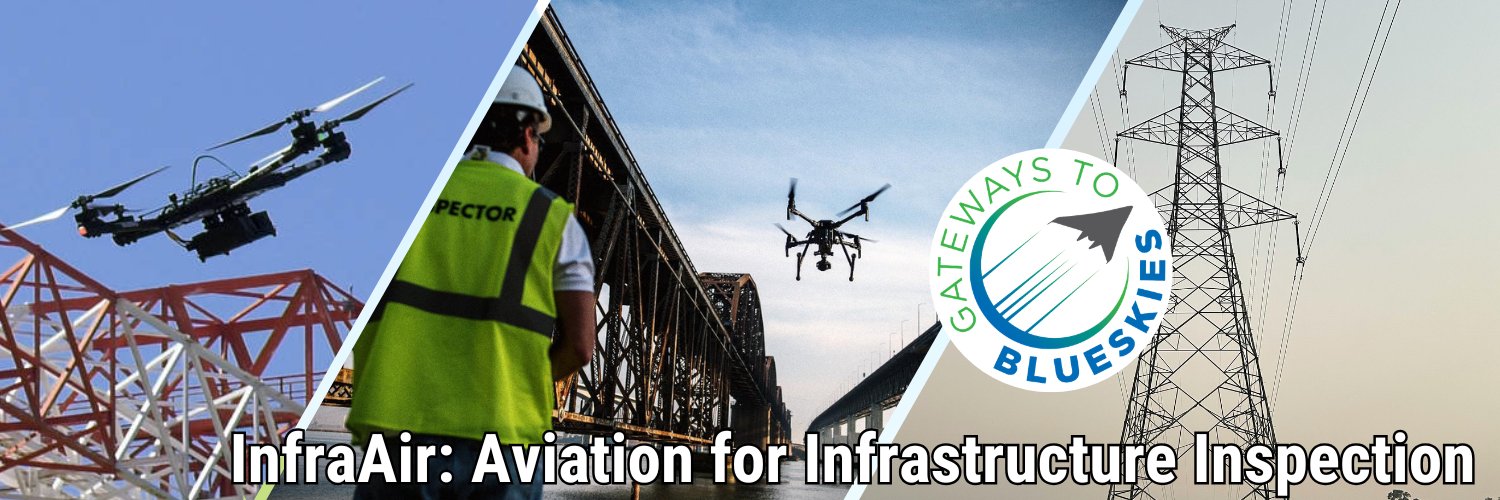
NASA’s latest Gateways to Blue Skies competition challenges college students to rethink how aircraft can help inspect land-based infrastructure. The 2027 challenge, sponsored by NASA’s University Innovation Project, invites teams to develop innovative ways to use aircraft for inspecting structures such as bridges, tunnels, and electric grids. The goal is to improve safety, reliability, and cost-effectiveness for infrastructure maintenance by 2035 or sooner.
Infrastructure is the backbone of the economy, global competitiveness, and everyday life. When roads, bridges, or energy systems fall into disrepair, they can block transportation, limit access to resources like water and power, and threaten public safety. Regular inspections are necessary to detect damage early. But current methods have challenges. Many structures are large, hard to reach, or located in dangerous environments. Repair crews often need to shut down sections of infrastructure or navigate extreme heights and confined spaces, which can be costly and risky. As infrastructure ages and expands, there is a growing need for new solutions that can work faster, safer, and at lower costs. One promising approach involves using airborne platforms, including aircraft and drones, to improve inspection techniques.
Innovative Solutions for Inspection Challenges
Steven Holz, lead of the Gateways to Blue Skies competition at NASA’s Langley Research Center, emphasizes the importance of creative ideas. “The demands for airborne platforms to improve infrastructure inspection are increasing exponentially,” he said. Holz notes that innovations in aircraft technology could transform how maintenance and safety checks are done. The competition encourages students to think outside the box and develop concepts that could change the way infrastructure is monitored. Teams will explore ways to leverage aircraft to access hard-to-reach areas, reduce the need for disruptive shutdowns, and lower costs compared to traditional inspection methods. The challenge aims to spark new ideas that make inspecting aging infrastructure faster, safer, and more efficient.
The competition’s structure involves two phases. First, teams of two to six students submit a proposal and a two-minute video describing their concept. NASA and industry experts will judge these submissions. The top eight teams will receive $9,000 each and advance to the second phase. During the final stage, teams will present their updated solutions at a forum in May 2027. Winners may also have the chance to intern with NASA Aeronautics during the following academic year.
Teams interested in participating are encouraged to review the competition rules and eligibility criteria online. Submissions for proposals are due February 22, 2027. Participants are also urged to submit a non-binding Notice of Intent by October 12, to stay informed about updates. Managed by NASA’s Aeronautics Division and the Center of Excellence for Collaborative Innovation, the challenge offers students an opportunity to contribute to real-world solutions for critical infrastructure needs, blending aviation technology with societal safety and economic growth.
Continue Your Tech Journey
Learn how the Internet of Things (IoT) is transforming everyday life.
Stay inspired by the vast knowledge available on Wikipedia.
Space
