

Top Highlights
NASA’s decorrelation stretch algorithm enhances faint ancient images.
It helps archaeologists reveal hidden paintings and rock art details.
Jon Harman adapted the technique for medical imaging and archaeology uses.
Dstretch technology is widely utilized in identifying ancient artifacts globally.
NASA Technique for Manipulating Satellite Photos Now Reveals Ancient Images
A groundbreaking method originally developed for analyzing satellite images is helping archaeologists uncover hidden, faded artwork from the past. This technique, called decorrelation stretch, enhances image contrast and details in digital photos. It has become a valuable tool for exposing ancient paintings and symbols that have become nearly invisible over time.
The Technology Behind the Discovery
The decorrelation stretch method was first applied by NASA’s Jet Propulsion Laboratory (JPL) in Southern California. It was designed to improve satellite imagery, especially images of Earth’s surface. The technique works by increasing the differences between colors and shades in a photo, making faint features stand out more clearly.
This approach is particularly useful in studying ancient rock art, which often fades or erodes with time. The increased contrast helps researchers and archaeologists spot details that are hidden to the naked eye. For example, between 2010 and 2012, an archaeologist used decorrelation stretch to find around 200 paintings inside Cambodia’s Angkor Wat temple complex. High in the central tower, faded images of horseback riders and traditional musicians became visible for the first time. Thousands of visitors walk past these images daily without noticing their faint traces remaining on the walls.
The technique’s roots trace back to a 1996 NASA research paper, written by Ronald Alley, a JPL engineer. Alley was working to develop better ways to analyze satellite data from NASA’s ASTER instrument on the Terra satellite. One of his colleagues at JPL had helped develop decorrelation stretch to improve image analysis. Alley realized that automating this process could reveal faint features in various types of imagery.
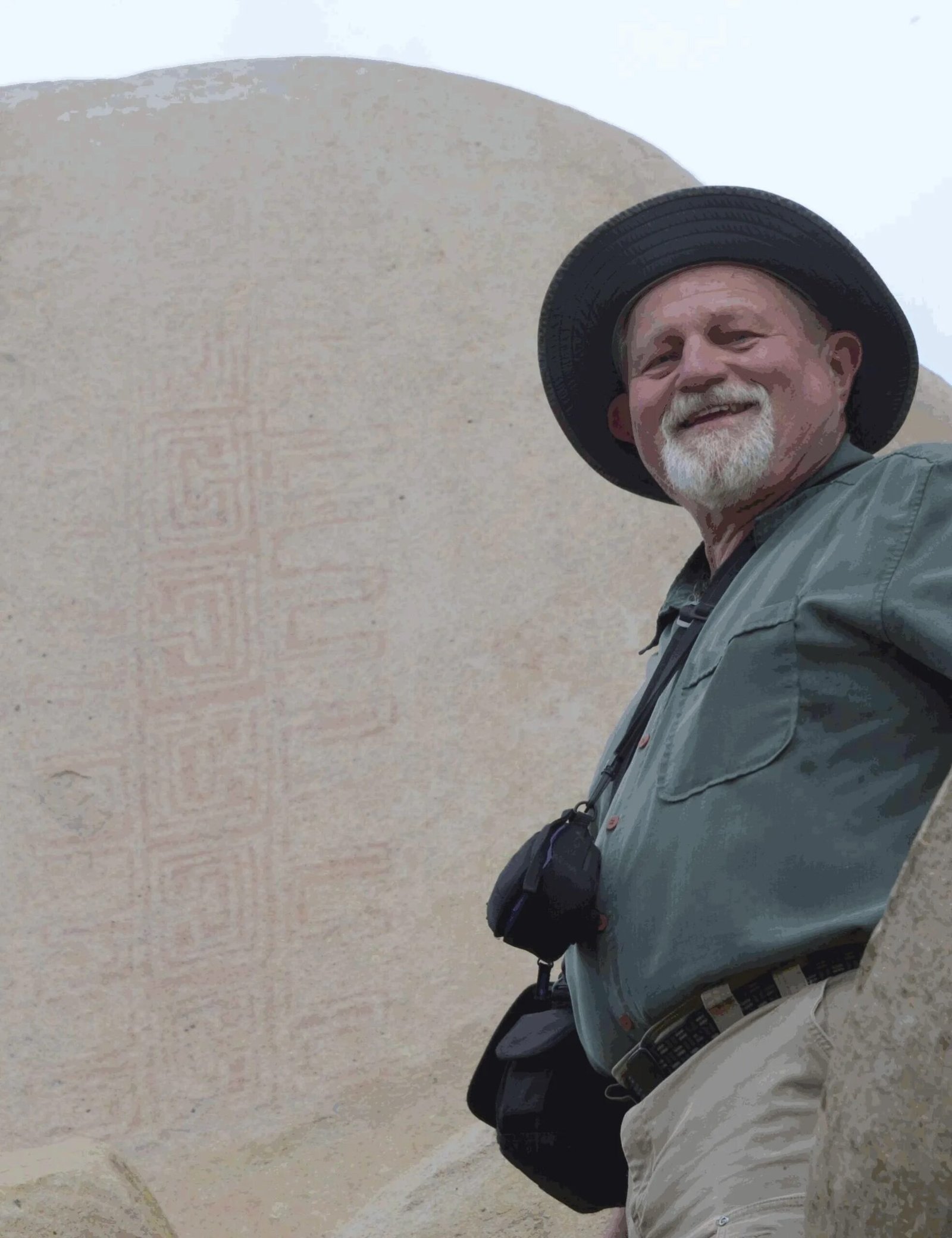
A hobbyist and former medical imaging professional named Jon Harman adapted the NASA algorithm for wider use. Based in Pacifica, California, he created a free plugin called Dstretch for an open-source program called ImageJ. This software allows users to apply decorrelation stretch easily to their images. Harman’s work has since expanded into smartphone apps and has been adopted by many in the research and archaeology communities.
Expanding Uses and Future Potential
Today, Dstretch and similar tools are used extensively around the world. Archaeologists have applied it to find ancient wall paintings in Norway, Egypt, and Canada. It has also helped locate buried Greek ruins and analyze tattoos on mummies. The technique’s ability to uncover details buried in faded images or obscured by time makes it a versatile tool in many fields.
Harman notes that while he expected the technique to be popular among rock art enthusiasts, he has been surprised by the wide range of applications. Researchers outside archaeology now use it for medical imaging, environmental studies, and other scientific projects. Its practical value continues to grow as new images and challenges emerge.
The use of decorrelation stretch bridges space technology and cultural heritage. It highlights how innovations developed for satellite data can unlock secrets hidden in everyday sights and ancient relics. As technology advances, tools like Dstretch will likely play an increasing role in revealing history’s silent stories.
Discover More Technology Insights
Learn how the Internet of Things (IoT) is transforming everyday life.
Access comprehensive resources on technology by visiting Wikipedia.
Space
