

Essential Insights
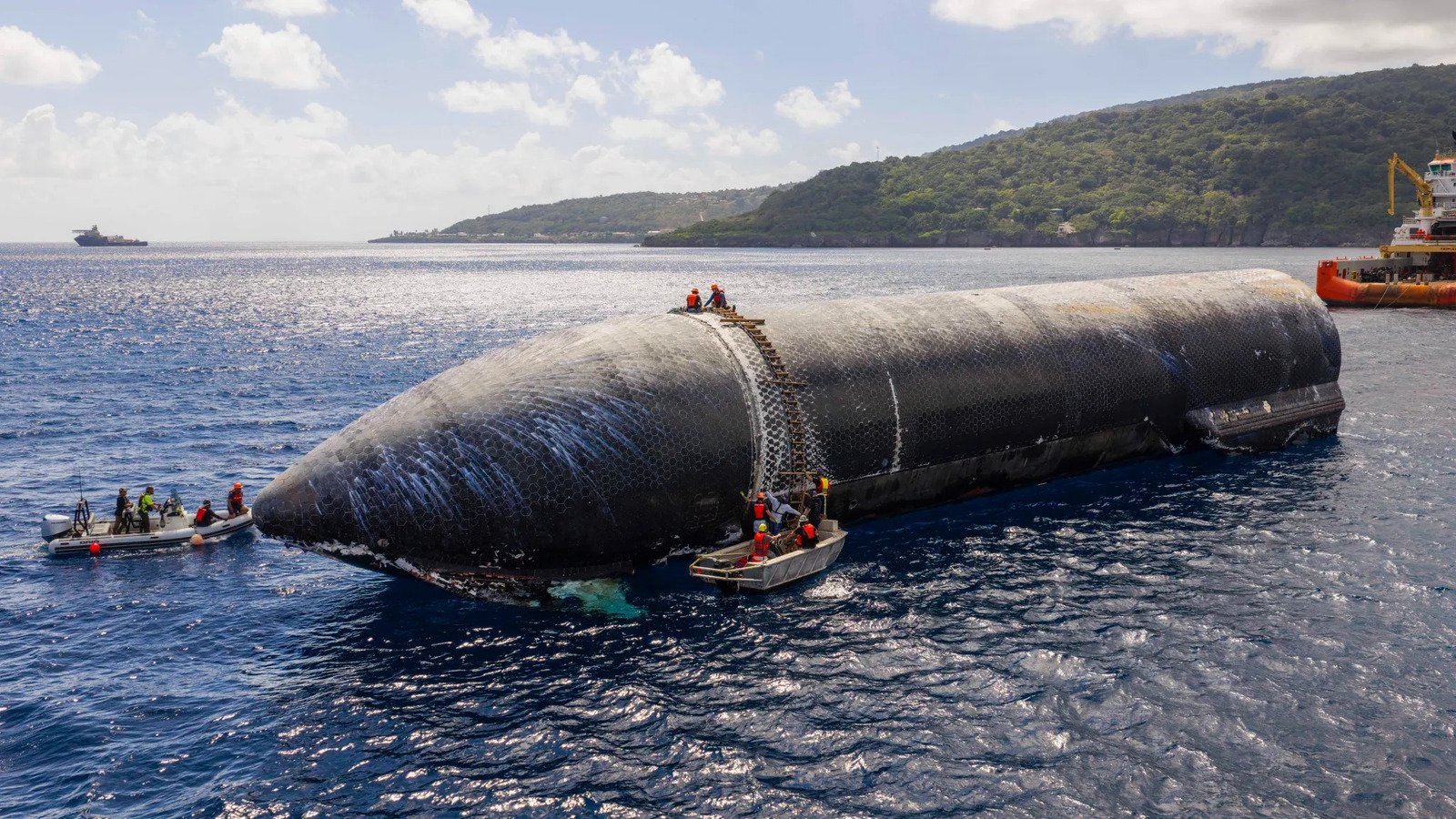
- SpaceX’s Starship 40 survived its splashdown intact, providing valuable data for future reusability, despite being unlikely to be reused itself.
- After 24 days at sea, the spacecraft was carefully transported from the Indian Ocean to Texas, marking a significant logistical operation using specialized ships like Forte.
- The journey back to Texas is expected to take several months, with current routes possibly passing near the Cape of Good Hope before reaching the U.S. coast.
- Engineers have collected heat-shield samples during recovery, gaining critical insights to improve Starship’s design and aim for future Texas-based landings.
Starship 40’s Journey From Texas to the Indian Ocean and Back
SpaceX’s Starship 40 had an impressive trip. It launched from Texas on July 24. The rocket traveled east and reached the Indian Ocean in just 65 minutes. During its flight, it released 20 Starlink V3 satellites. This test aimed to evaluate Starship’s payload deployment and reusability. After a quick splashdown, engineers found the spacecraft largely intact. Unlike previous stages, Starship 40 survived the ocean landing. Although it likely can’t be reused, this intact condition helps engineers learn more. It provides real-world data that telemetry alone can’t offer. This recovery offers a rare glimpse into the rocket’s resilience, which could lead to cost savings and faster turnaround times in future launches.
The Complex Process of Recovery and Transport
Moving a massive spacecraft from the ocean is no simple task. After 24 days at sea, recovery teams guided Starship 40 toward Christmas Island. The nearly 300-foot Normand Ranger tug held the spacecraft near the island. Then, the crew used a large transport ship called Forte to lift the rocket out of the water. They secured Starship 40 in a cradle on Forte’s deck by filling its ballast tanks with water. As the ship floated beneath the rocket, it slowly pumped out the ballast, causing the ship to rise and lift the spacecraft. This approach is similar to how large cargo is moved in the shipping industry. Experts say ships like Forte are experienced in handling such loads regularly. This careful process ensures the spacecraft remains undamaged during transport. It highlights the impressive coordination required for space recovery efforts, combining maritime skills with aerospace ambitions.
Returning to Texas and Future Improvements
Forte’s journey from Christmas Island to Texas will take several months. Current estimates suggest the ship may arrive at the Port of Brownsville around October 8. The route likely passes near the Cape of Good Hope, a common passage for ships traveling between Australia and the U.S. coast. During this time, engineers are analyzing data collected from the spacecraft, especially heat-shield samples. These insights help improve future Starship designs. They aim to make the rockets more durable and easier to recover. SpaceX envisions eventually catching Starship back at its Texas base using a tower. This approach would reduce the need for long, complex ocean journeys. Overall, recovering Starship 40 marks an important milestone, showing how space and maritime industries work together. These advances promise safer, more cost-effective missions in the future.
Continue Your Tech Journey
Learn how the Internet of Things (IoT) is transforming everyday life.
Stay inspired by the vast knowledge available on Wikipedia.
CellphonesV1
