

Summary Points
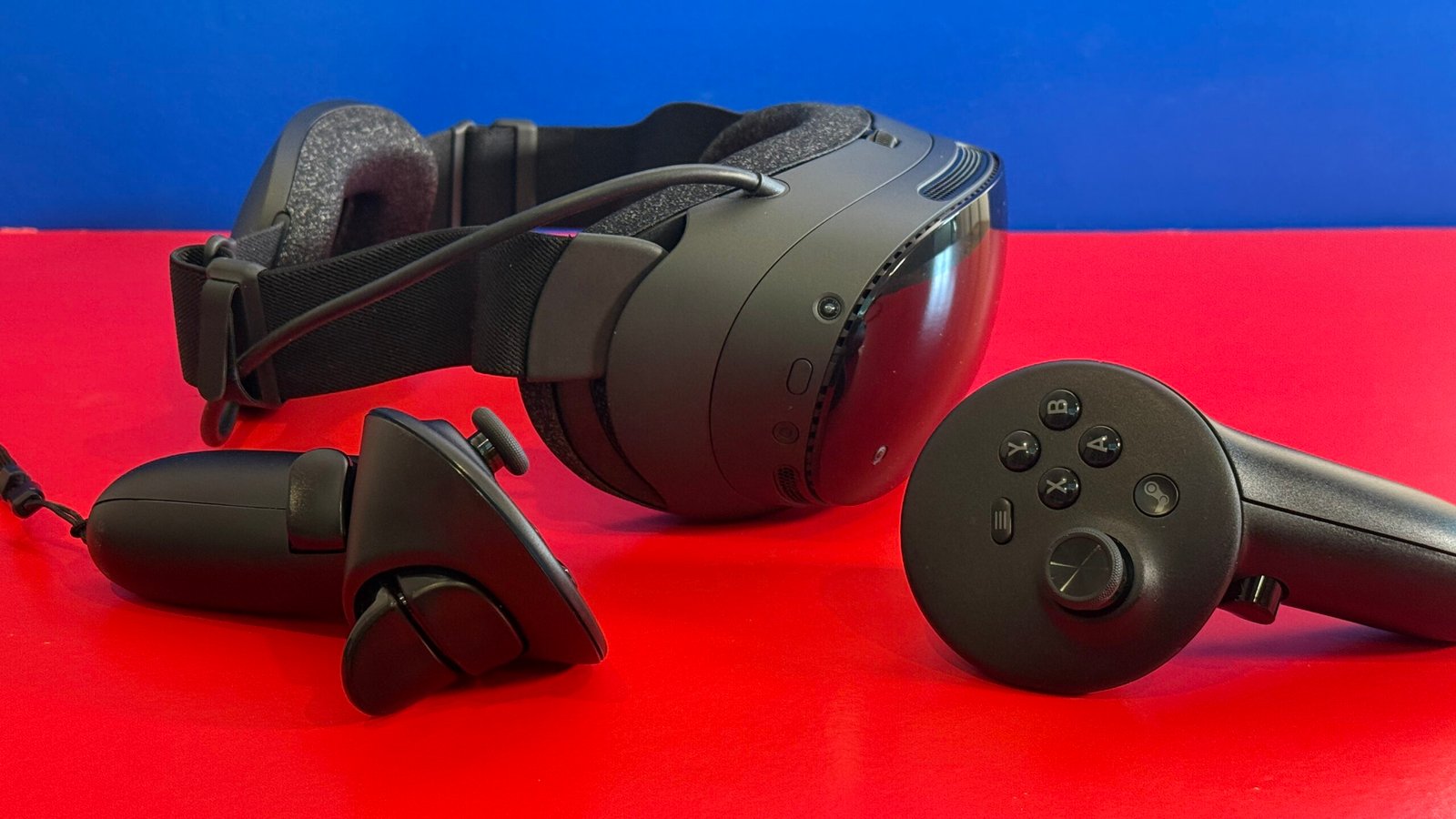
- The Valve Steam Frame is a versatile, modular standalone VR headset that also functions as a portable Steam Deck with traditional gaming capabilities.
- It features high-resolution displays, eye tracking for performance optimization, but currently lacks hand tracking and has limited game support.
- The device is expensive (~$1,059+), with short battery life (~2 hours) and usability issues for glasses wearers, but offers potential for hardware customization and software flexibility.
- As an early prototype, it signals Valve’s innovative approach toward future hybrid VR, AR, and portable computing, though it requires significant improvements for mainstream appeal.
Early Experiments in a New Era
Valve’s Steam Frame is an ambitious attempt to blend virtual reality with portable computing. Unlike traditional VR headsets, it offers both immersive gaming and a desktop-like experience. However, it still feels like a prototype, with some bugs and limited game support. Despite these issues, it pushes the boundaries of what VR hardware can do. This device hints at a future where gaming, work, and everyday life could merge seamlessly. Although it’s not perfect yet, the Steam Frame demonstrates rapid innovation and promising potential for future devices.
Everyday Use and Scientific Progress
On a daily level, the Steam Frame offers a different way to enjoy games and apps. It’s lightweight and easy to wear, making gaming more comfortable than some headsets. Its eye tracking technology improves game performance and makes experiences more realistic. It also lets users run Linux apps, opening doors for creative uses. Still, the poor battery life and fit with glasses limit its convenience right now. As science advances, improvements like longer battery life and better ergonomics will make such devices more practical for everyday life and work.
Future Opportunities for Better Living
Looking ahead, the Steam Frame is a glimpse into wearable tech’s possible evolution. Its modular design allows for custom accessories and upgrades, fostering a flexible ecosystem. While currently expensive, future versions could become more affordable and powerful. As hardware improves, this kind of device could help people stay connected, learn, and entertain themselves more easily. Ultimately, Valve’s pioneering work might lead to wearable tools that enhance productivity and quality of life, turning science fiction into everyday reality.
Expand Your Tech Knowledge
Learn how the Internet of Things (IoT) is transforming everyday life.
Stay inspired by the vast knowledge available on Wikipedia.
FashionTechV1
