

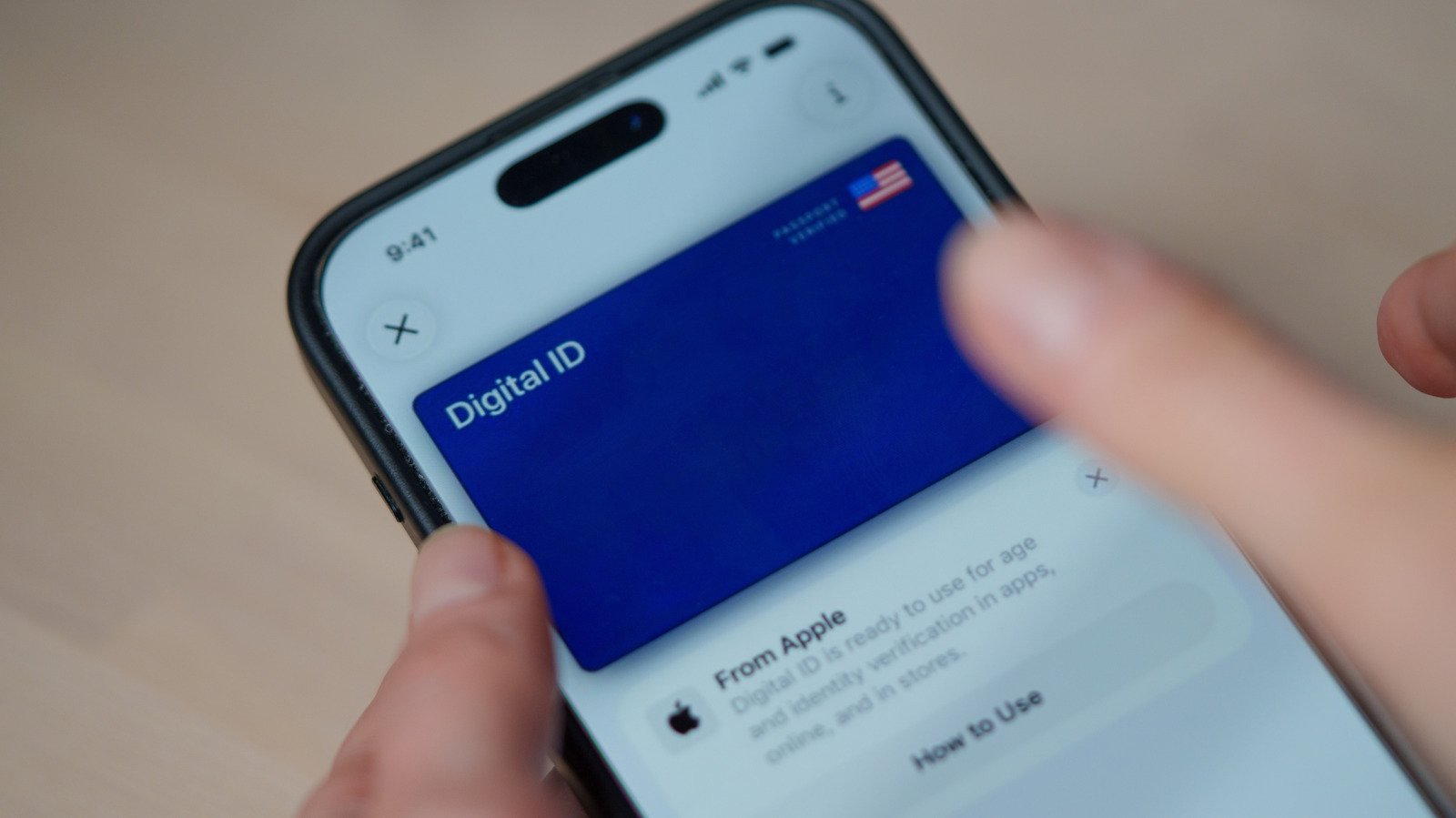
Quick Takeaways
- Digital driver’s licenses (mDLs) enhance privacy by allowing selective sharing of information and utilizing device security, but do not inherently ensure better safety than physical cards.
- They support two verification methods—device retrieval and server retrieval—with the latter raising privacy concerns about tracking user location and usage. Recent regulations prohibit server retrieval to counteract this.
- Once shared, digital ID data can be stored and potentially used or retained by organizations, with protections varying by region; privacy depends on standards, local laws, and the wallet’s design.
- Losing or damaging a device requires remote deactivation to prevent misuse; digital licenses are supplementary to physical cards, with device security features critical to privacy and security.
The Benefits of Digital Driver’s Licenses
Storing your driver’s license in a digital wallet offers several advantages. First, it can improve privacy by sharing less information than a physical card. For example, instead of revealing your full birth date and address, a digital license can tell only if you are over a certain age, like 21. This helps protect your personal details from unnecessary exposure.
Second, digital licenses are secured with your phone’s lock screen features. Using Face ID, Touch ID, or a passcode, they add a layer of safety. Additionally, the data inside a digital wallet is encrypted, making it harder for hackers to access. Many companies, including Apple and Google, let you review what information you share before approving it. These protections empower users, giving more control over their identity.
Finally, some digital licenses support new standards that verify your ID without storing a static picture. This means your digital ID can be more private and selective in what it reveals. While these features are still evolving, they point to a future where accessing your ID is safer and more private than traditional methods. In short, digital driver’s licenses can enhance privacy, security, and user control.
Privacy Challenges and Tracking Concerns
Despite their advantages, digital licenses raise important privacy questions. The technology can support two sharing methods: device retrieval and server retrieval. Device retrieval sends your info directly from your phone, which is generally more private. Server retrieval, however, may connect your ID usage back to the issuing authority. Privacy advocates worry that this could enable tracking over time or across locations.
Fortunately, recent regulations aim to limit such issues. For instance, a major standards body has prohibited server retrieval starting in 2025. This move reduces the risk of companies or governments tracking your ID use. Still, the potential remains, especially if unauthorized systems are used. Your digital license’s privacy also depends on regional laws, device design, and how digital wallets manage data.
Furthermore, once your ID information leaves your device, it’s out of your control. The recipient might keep your data longer than intended or use it in ways you don’t approve. Some providers now inform you if the requester plans to retain your information, giving you a choice. Overall, digital licenses can be designed with privacy in mind, but users should stay aware of how their data might be handled after sharing.
What Happens If Your Phone Is Lost or Broken?
Losing a physical driver’s license means someone can see your details immediately. In contrast, a digital license is protected by your phone’s security features. To view your digital ID, you must unlock your phone and authenticate using biometric methods or a strong passcode. This additional barrier makes it harder for someone who finds your device to access sensitive information.
If your phone is lost, you can take quick action to protect your digital ID. With Apple devices, you can erase your phone remotely via Find My, which deletes all wallet passes. Android users have similar options through their Google account. Removing your digital license ensures no one can access your details if the phone falls into the wrong hands.
However, if your phone breaks or is unsupported, presenting your digital license becomes impossible until you get a new device. At present, a digital license acts best as a supplement to your physical card, not a replacement. It offers enhanced privacy and security features, but once the digital data leaves your device, its safety depends on the recipient’s practices and applicable laws. Therefore, users should treat a digital driver’s license as a helpful, but not foolproof, safeguard.
Stay Ahead with the Latest Tech Trends
Learn how the Internet of Things (IoT) is transforming everyday life.
Discover archived knowledge and digital history on the Internet Archive.
CellphonesV1
