

Quick Takeaways
NASA’s space experiments focus on human health, plants, and bacteria on ISS.
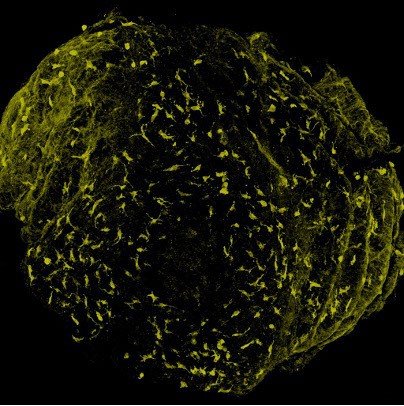
Brain models in space help understand effects of spaceflight on the human brain.
Space-grown crops may develop diseases faster, guiding future space agriculture.
New tools enable quicker health analysis, protecting astronauts during long missions.
NASA’s SpaceX CRS-35 Mission to Launch Health Research
NASA is sending a variety of important health experiments to the International Space Station (ISS) aboard SpaceX’s 35th Commercial Resupply Services mission. This cargo flight will take experiments that focus on human health, plant health, and drug-resistant bacteria. The research aims to advance knowledge that benefits life on Earth and helps prepare for future space exploration.
These investigations are part of NASA’s effort to support astronaut health during long trips beyond Earth. They include studies on the human brain, crop diseases, quick health assessments, and bacteria that resist drugs. The findings could improve medical care for astronauts and provide new insights for medicine and agriculture on Earth.
Small Brain Models, Big Questions
One of the key experiments involves tiny, lab-grown models of the human brain. Researchers want to see what happens to the brain during spaceflight. These small brain tissues will be sent to the ISS and stayed there for about five weeks. Scientists will compare these models with identical ones kept on Earth. The goal is to understand how space travel affects brain cells at a very detailed level.
This research helps answer questions about how space stress impacts the human brain. It could lead to new ways to protect brain health during long missions to the Moon, Mars, or further into space. By understanding these effects early, NASA can develop better countermeasures to keep astronauts safe and healthy.
Crop Disease, Rapid Testing, and Bacteria Studies
Another experiment explores how plants fare in space, especially whether crop diseases develop faster or more severely in microgravity. Researchers infect space-grown plants with a fungus and compare them to plants on Earth. This study can help improve crop farming methods for space missions, making sure astronauts have fresh food and better mental well-being. Healthy crops also help manage the station’s environment by absorbing carbon dioxide and producing oxygen.
NASA is also testing a small device called a microplate reader aboard the station. This device can analyze biological samples for substances like proteins and antibodies. It’s the first step toward faster health checks for astronauts. Instead of waiting weeks for samples to return to Earth, scientists can get results quickly in space. This capability is crucial for spotting infections or health issues early, especially in future missions farther from Earth.
Finally, the station hosts a long-running study of antibiotic-resistant bacteria. This research looks at how these superbugs survive and change in microgravity. Astronauts repeatedly sample surfaces on the station to see how bacteria develop resistance. The findings could help protect crew members from infections during long space voyages. On Earth, the results might shed light on how bacteria become resistant due to overuse of antibiotics, helping to fight superbugs back home.
NASA continues to use space research to improve health and safety for astronauts while also expanding our understanding of biology and medicine. These experiments on the CRS-35 mission contribute valuable knowledge that benefits both space explorers and Earth’s medical and agricultural fields.
Continue Your Tech Journey
Dive deeper into the world of Cryptocurrency and its impact on global finance.
Access comprehensive resources on technology by visiting Wikipedia.
Space
