
Close Menu
    Facebook X (Twitter) Instagram
    Thursday, August 20
    Top Stories:
    • China’s Robotics Boom: Navigating a Critical Scale and Growth Turning Point
    • Boosting Cancer Immunity with Delayed Activation of Exogenous STING
    • Nokia to Exit Mainland China, Closes Most Sites by Year-End
    Facebook X (Twitter) Instagram Pinterest Vimeo
    IO Tribune
    • Home
    • AI
    • Tech
      • Gadgets
      • Fashion Tech
    • Crypto
    • Smart Cities
      • IOT
    • Science
      • Space
      • Quantum
    • OPED
    IO Tribune
    Home » Swift Space Mission Fails in Critical Rescue Attempt
    Space

    Swift Space Mission Fails in Critical Rescue Attempt

    Staff ReporterBy Staff ReporterAugust 19, 2026No Comments3 Mins Read
    Share Facebook Twitter Pinterest LinkedIn Tumblr Reddit Telegram Email
    Share
    Facebook Twitter LinkedIn Pinterest Email

    Fast Facts

    1. NASA canceled LINK’s orbit-boost efforts due to uncontrollable spacecraft spin issues.
    2. The private rescue mission aimed to save Swift Observatory from rapid orbital decay.
    3. Swift will soon re-enter Earth’s atmosphere without successful orbit adjustment.
    4. NASA plans to test LINK’s capabilities for future satellite servicing missions.

    Failed Attempt to Save NASA’s Swift Space Telescope

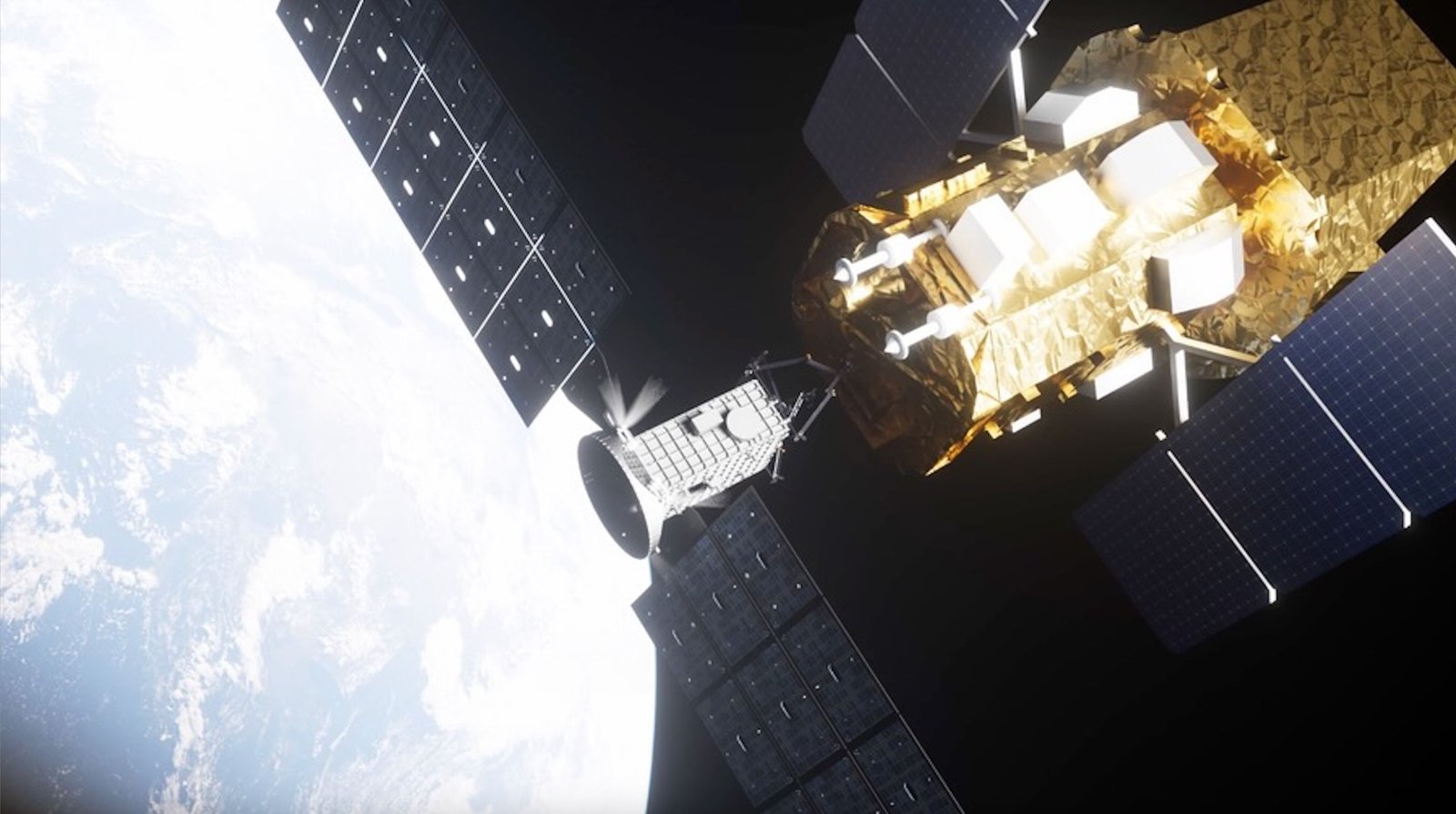
    NASA announced it will stop efforts to save its Swift Observatory after a private rescue spacecraft couldn’t overcome technical problems. The spacecraft, called LINK, was built by Katalyst Space and launched on July 3 aboard a Northrop Grumman Pegasus XL rocket. The goal was for LINK to meet with Swift, grab it, and lift it to a more stable orbit. However, about three weeks after launch, LINK started spinning uncontrollably, causing major issues.

    On August 19, NASA confirmed that LINK’s attempts to boost Swift’s orbit would come to an end. The agency cited ongoing attitude control problems—that is, problems with the spacecraft’s ability to keep itself steady. Despite this setback, NASA said it will still have LINK attempt a rendezvous with Swift in the future. The new goal is for LINK to practice getting close to Swift and demonstrate capabilities that may help in future missions, even if it can’t save the current spacecraft.

    The Swift Boost mission was always considered a risky project. Because of increased solar activity, Swift’s orbit was decaying faster than expected. NASA awarded Katalyst a $30 million contract in 2025, just under a year to design, build, and test LINK before Swift’s orbit deteriorated too far. The tight timeline made the mission uncertain from the start.

    NASA Administrator Jared Isaacman explained the decision, saying, “NASA should be willing to move quickly and take smart risks when the potential return is worth it. That’s exactly what we did with this mission.” He added that even though LINK’s main goal failed, the effort was still valuable. The team moved fast to try to extend Swift’s scientific life and to advance satellite servicing technology.

    What Comes Next for Swift and Future Missions

    Swift is a unique space observatory designed to study sudden, high-energy events in the universe, such as gamma-ray bursts, supernovae, black holes, and fast radio bursts. It can detect these quick phenomena and swiftly turn its instruments to gather data in different wavelengths. The spacecraft also responds rapidly to new discoveries and emergencies in space.

    Since LINK can no longer boost Swift’s orbit, NASA estimates the satellite will fall into Earth’s atmosphere and end its mission by the year’s end. Once Swift is gone, NASA plans to continue exploring options for rapid response to cosmic events. The agency will use existing missions to try to fill the gap left by Swift.

    Katalyst is now working with NASA to plan the next phase of the project. The focus is on testing LINK’s ability to rendezvous and maneuver near Swift. These tests will help gather data for future satellite servicing missions. The partnership aims to develop new ways to repair, upgrade, or even save satellites in orbit—something NASA considers crucial for the future of space exploration and observation.

    Expand Your Tech Knowledge

    Explore the future of technology with our detailed insights on Artificial Intelligence.

    Stay inspired by the vast knowledge available on Wikipedia.

    Space

    Cosmos NASA Space Sustainability VT1
    Share. Facebook Twitter Pinterest LinkedIn Tumblr Email
    Previous ArticleAndroid Qi2 vs Qi2.2: Key Wireless Charging Differences
    Next Article I Witnessed AI’s Future in Adaptive Robots
    Avatar photo
    Staff Reporter
    • Website

    John Marcelli is a staff writer for IO Tribune, with a passion for exploring and writing about the ever-evolving world of technology. From emerging trends to in-depth reviews of the latest gadgets, John stays at the forefront of innovation, delivering engaging content that informs and inspires readers. When he's not writing, he enjoys experimenting with new tech tools and diving into the digital landscape.

    Related Posts

    Fashion Tech

    H&M’s $20 Scarf-Neck Tops Are Back This Fall

    August 19, 2026
    Tech

    China’s Robotics Boom: Navigating a Critical Scale and Growth Turning Point

    August 19, 2026
    Science

    Boosting Cancer Immunity with Delayed Activation of Exogenous STING

    August 19, 2026
    Add A Comment

    Comments are closed.

    Must Read

    H&M’s $20 Scarf-Neck Tops Are Back This Fall

    August 19, 2026

    China’s Robotics Boom: Navigating a Critical Scale and Growth Turning Point

    August 19, 2026

    Boosting Cancer Immunity with Delayed Activation of Exogenous STING

    August 19, 2026

    I Witnessed AI’s Future in Adaptive Robots

    August 19, 2026

    Swift Space Mission Fails in Critical Rescue Attempt

    August 19, 2026
    Categories
    • AI
    • Crypto
    • Fashion Tech
    • Gadgets
    • IOT
    • OPED
    • Quantum
    • Science
    • Smart Cities
    • Space
    • Tech
    Most Popular

    Top T-Mobile Plans: Your 2025 Guide to Selection

    December 20, 2025

    Waymo’s Robotaxis Zoom Into Denver and Seattle!

    September 3, 2025

    The Atlantic’s Impact on the Pacific’s Mighty Current

    June 15, 2026
    Our Picks

    AI Labs Miss True User Needs, Says Tech Expert

    August 14, 2026

    Unlocking Secrets: Quantum Scientists Revolutionize Cryptography

    July 26, 2025

    Netflix Soars: 95 Billion Hours Streamed and Ads on the Rise!

    July 17, 2025
    Categories
    • AI
    • Crypto
    • Fashion Tech
    • Gadgets
    • IOT
    • OPED
    • Quantum
    • Science
    • Smart Cities
    • Space
    • Tech
    • Privacy Policy
    • Disclaimer
    • Terms and Conditions
    • About Us
    • Contact us
    Copyright © 2025 Iotribune.comAll Rights Reserved.

    Type above and press Enter to search. Press Esc to cancel.