

Essential Insights
1. Apple’s first foldable has earned broadly positive reviews, but its Touch ID can feel slower than Face ID.
2. Apple is actively testing under-display Face ID for iPhone Duo 2 prototypes.
3. Touch ID likely helped Apple manage the Duo’s multiple orientations, thin display and high cost.
4. A future Duo may also add the Action button as Apple moves more hardware beneath displays.
Touch ID makes sense for Apple’s first foldable
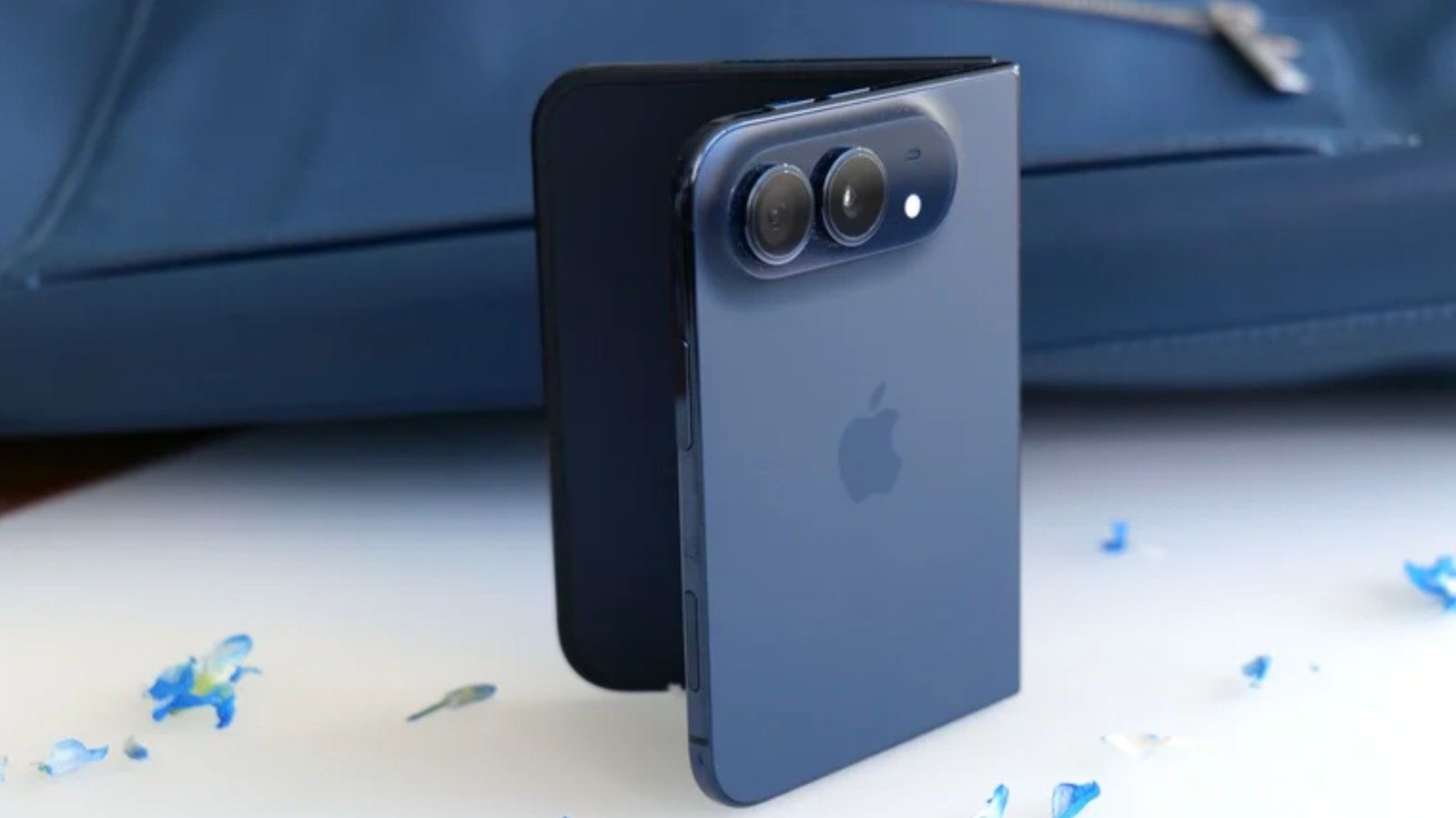
Apple’s first iPhone Duo has drawn broadly positive reactions. Still, longtime iPhone users may notice one change right away: It unlocks with Touch ID instead of Face ID.
The fingerprint sensor sits in the power button. It works accurately, but it can take longer to unlock the phone than some users expect. That small delay may feel unfamiliar to people who have relied on Face ID since the iPhone X.
Yet Apple had practical reasons to choose Touch ID. The iPhone Duo can open and turn into several different shapes. Face ID would need to work across both its outer screen and its larger inner screen. Adding sensors to both could raise costs and complicate the design.
The phone also carries a price near $2,000. Apple had to weigh convenience against size, complexity and value. Its choice favors a proven fingerprint reader over a more familiar face scan.
Prototypes point to Face ID beneath the screen
That trade-off may not last. Apple is reportedly testing under-display Face ID for an eventual second-generation iPhone Duo. Prototypes place the facial-recognition technology beneath the outer display.
Under-display technology lets a phone hide more components behind its screen. Apple has already taken a step in that direction with the first iPhone Duo’s under-display camera. Reports about smaller Dynamic Island hardware on upcoming Pro iPhones also suggest that Apple continues to explore ways to reduce visible components.
However, a prototype does not guarantee a feature will reach a finished product. Face ID needs room for several sensors, and the iPhone Duo’s displays are especially thin. Apple also appears to want a consistent look across both screens. If Face ID works on only one, the experience could feel uneven.
So, the next model faces a tough design puzzle. Apple must fit the technology without making the phone thicker, more expensive or less reliable. That challenge matters as much as the feature itself.
A smarter foldable must balance convenience and cost
Face ID could make the next iPhone Duo feel more like a modern iPhone. Users could glance at the device to unlock it, whether they use the outer screen or open the phone. That simple interaction may matter during busy mornings, quick payments and one-handed use.
Apple may also bring back the Action button, which first appeared on the iPhone 15 Pro. The customizable button could give users faster access to a favorite function. Still, it would not solve the larger challenge: making a premium foldable easy to use in every position.
For now, Touch ID offers a straightforward answer. It keeps the first model’s design manageable, even if it asks some users to adjust. A future version could deliver Face ID without that compromise, but Apple still needs to prove it can fit the hardware cleanly.
The promise is clear. A thinner, more seamless design could make the Duo feel less like a first attempt and more like a natural part of the iPhone family. Yet the best upgrade will not simply add more technology. It will make everyday actions faster while keeping the device’s price and design in check.
Stay Ahead with the Latest Tech Trends
Stay informed on the revolutionary breakthroughs in Quantum Computing research.
Explore past and present digital transformations on the Internet Archive.
CellphonesV1
